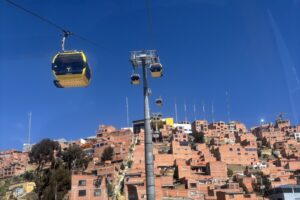

“Working abroad” wasn’t as glamorous as I imagined.
A working holiday in Australia. Working in a café on weekdays, going to the beach after work. Making friends from all over the world while speaking English, spending weekends on road trips and surfing. A lot of people probably imagine a life like that. But the reality was completely different. I was shouted at, looked down on, sometimes worked unpaid, and cried on the bus out of frustration.
This is the story of my first four months in Australia—working in three different cafés in Cairns during my first year on a working holiday.
Arriving in Cairns with high expectations

But the reality was far from the sunny tropical vibe. I arrived in Cairns in December. It was peak summer in Australia. And Cairns summer was more intense than I expected. The humidity and heat were exhausting. Just walking outside made me drenched in sweat.
And the timing for finding a job was terrible. Hiring for the Christmas period had already ended, and after that came the Christmas holidays. In other words, it was one of the worst times to look for a barista job. There are three main ways to find jobs in Australia:
- Job sites like SEEK
- Facebook groups
- Walking into cafés and handing out resumes
But for cafés, most jobs were through Facebook or walk-in applications. So I spent every day handing out resumes.
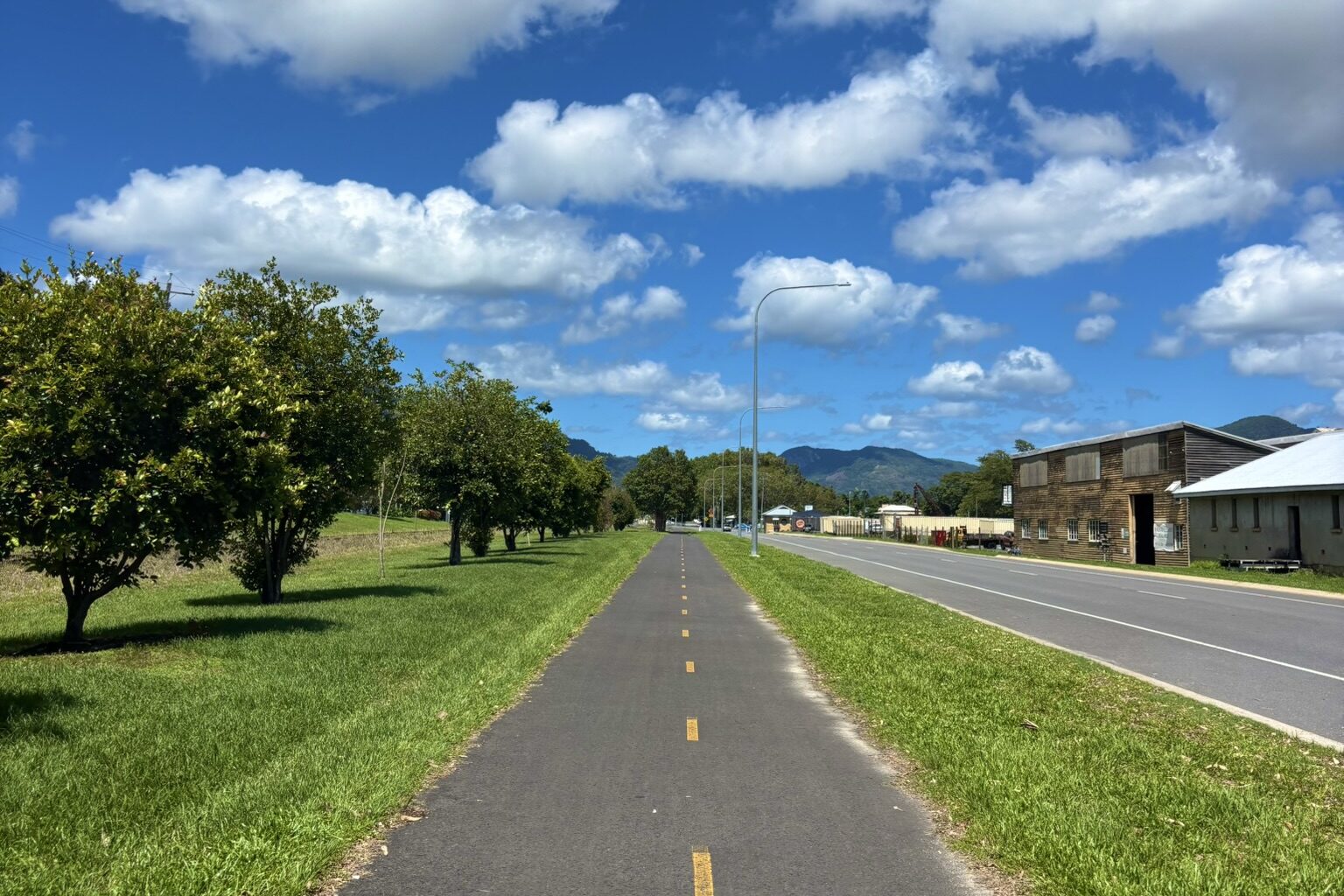
Walking under the heat, taking buses, going from the beach area to near the rainforest. I visited over 100 cafés and did about 5 trial shifts in 3 weeks. Before coming to Australia, I practiced job interviews seriously in Japan. But none of that really mattered. In Australia, there is a culture of “trial shifts”. You work for a few hours and get evaluated on whether you can perform immediately. At some cafés, around 15 people apply for one position. It was real competition. Every time, I went in nervous. But I never received a good response.
“You don’t look experienced” — my first setback
I did have barista experience. I had worked for three years at Starbucks in a Tokyo office building. I was confident in customer service and knew how to make coffee. But the espresso machines in Australia were completely different from Starbucks. The milk steaming and espresso extraction felt like a different skill set. I had to start almost from zero. I studied YouTube videos, practiced during trial shifts, and watched more videos again. In Australia, latte art is expected as a basic skill.

I was desperately treating every trial shift as a chance to practice. One day, during a trial shift, a staff member told me: “You don’t look experienced. I don’t think you can do this job.” It hurt. It wasn’t just about the machines being different. I felt like everything I had worked for in Japan was being dismissed.
What was harder than English
English itself wasn’t easy either. I could manage everyday conversations. But Australian accents were extremely difficult to understand. And when speaking to native speakers, I got nervous I didn’t want to make mistakes. I didn’t want to sound weird. The more I thought like that, the more I froze and couldn’t speak properly. On top of that, employers in Australia rarely give direct rejection. After trial shifts, I often heard things like:
“We’ll get back to you”
“I’ll send you the details later”
But no message ever came. I just wished they would say no clearly. Waiting with hope only made me exhausted. I thought that many times.
My first job where I went to work crying every day
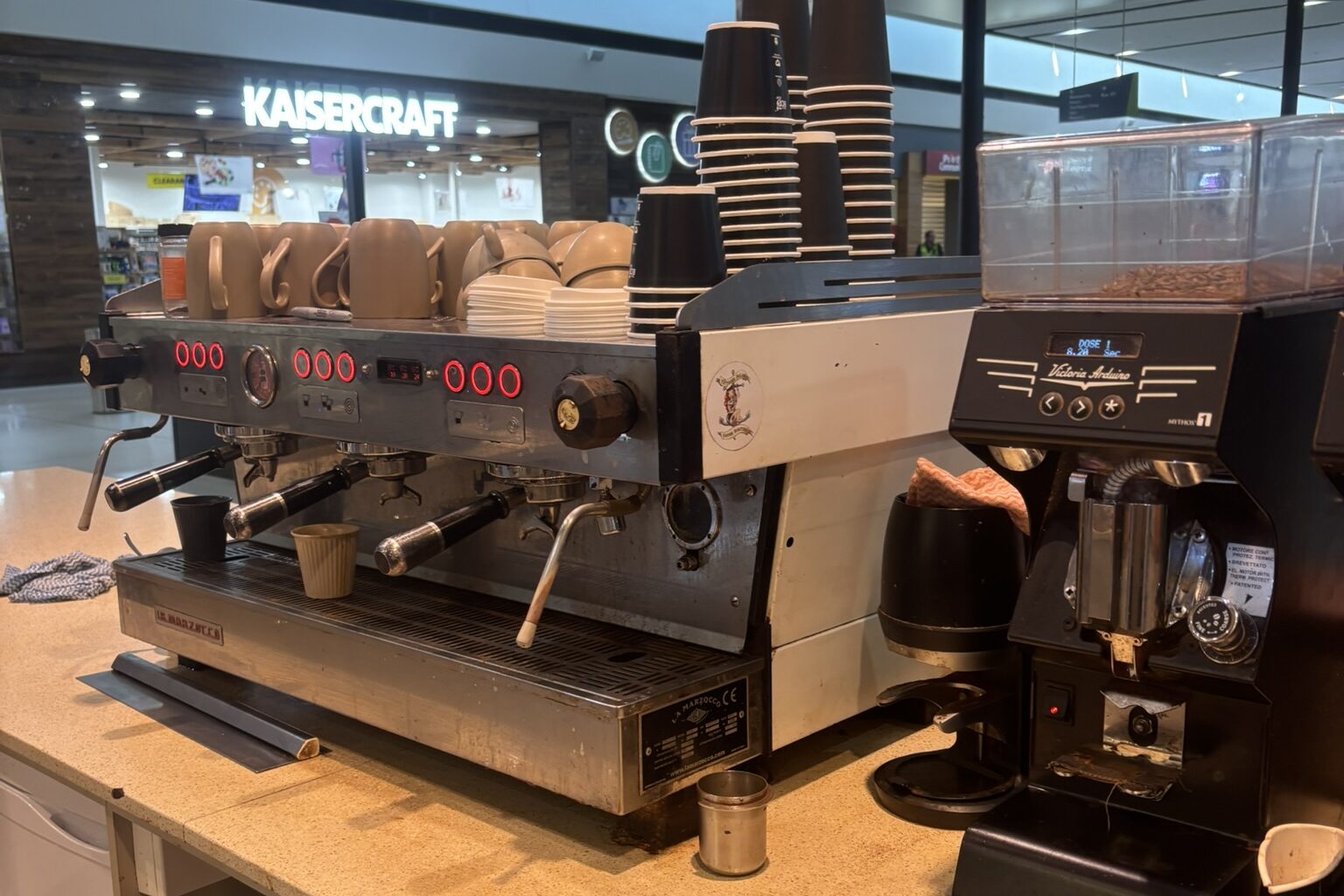
About three weeks into job hunting, I started to lose confidence completely. “What am I even doing here?” Then I got a message from a café in a shopping center where I had done a trial shift two weeks earlier. They said they wanted me to come for another trial. It was strange. I did almost the exact same tasks again—and somehow got hired. It was a 40-minute bus ride each way, but I didn’t care anymore.
I just had a job. That alone made me happy. Once I started working, I had to survive day by day. I studied the menu on the bus, watched latte art videos, and practiced while working. Most of my coworkers were girls around 13–16 years old, except for the boss. (In Australia, people start working very young, and younger staff are paid lower wages. Because of that, competition for working holiday visa holders is very tough.) Because of the age gap and language barrier, I didn’t really become close with them. And if we talked too much, the boss would shout at us. The working environment was very harsh.
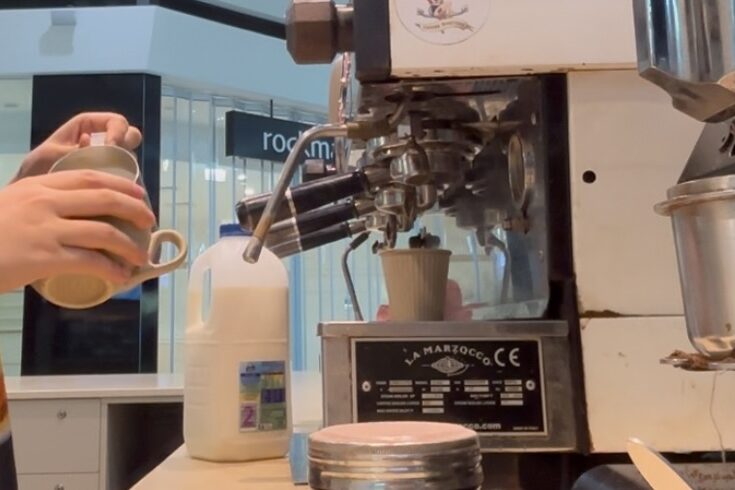
If the dishwasher was broken and I washed things twice, I was told I was “wasting time.” When I couldn’t understand the boss’s strong accent and asked again, he would sigh loudly every time. If I asked twice, he would yell at me. One day, he slammed the recipe book onto the table. When I wrote notes in English, he said:
“You don’t understand anyway. Write in Japanese.”
I felt like crying, but I held it in and looked up. It was clear I was being looked down on. But I couldn’t quit. I needed to survive. And I had promised myself I would try. Every day, I cried on the bus ride home. What kept me going were the other working holiday travelers staying at the hostel. Everyone was struggling in their own way. So we supported each other.
“This place might be better” — but it was worse
After New Year, my shifts were reduced. So I started job hunting again. I found a bakery café run by an Indian couple on Facebook. When I arrived for the trial shift, there was only the boss and another trial worker—a Vietnamese girl. Something felt off. Because they were short-staffed, both of us were hired on the spot. From day one, we were asked to work open to close. Cleaning, prep work—everything. After being hired, the Vietnamese girl said:
“This workload is clearly wrong. I’m quitting.”
I hesitated. But it still felt better than my previous job. So I stayed. Not knowing it would turn into my worst experience.
“Don’t hide behind the coffee machine”
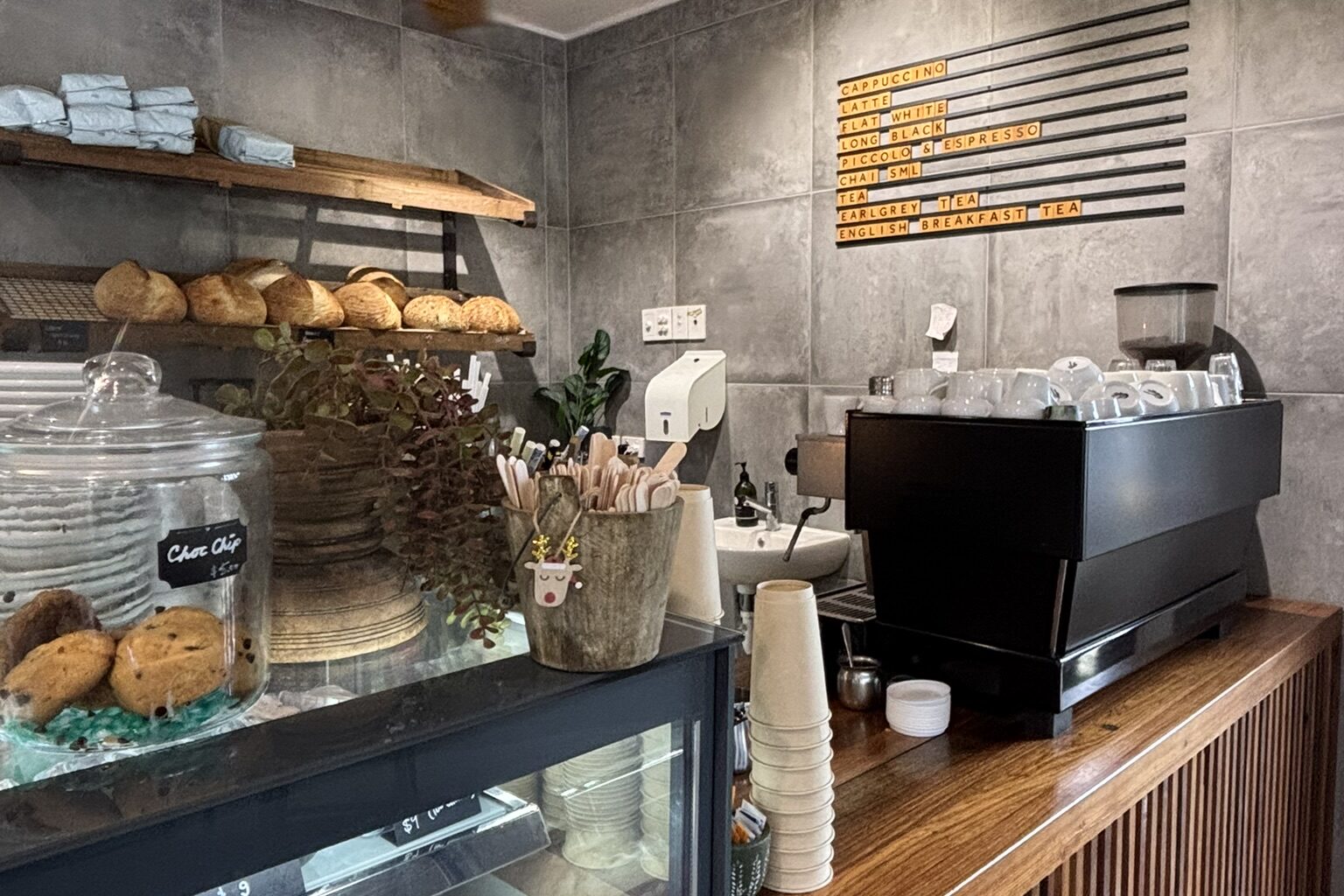
That café was completely abnormal. From day one, the Indian female owner expected me to learn everything immediately. Even though the café closed at 2 p.m., she demanded:
Cleaning the entire shop
Washing all dishes
Cleaning the toilets
—all by 2 p.m., alone.
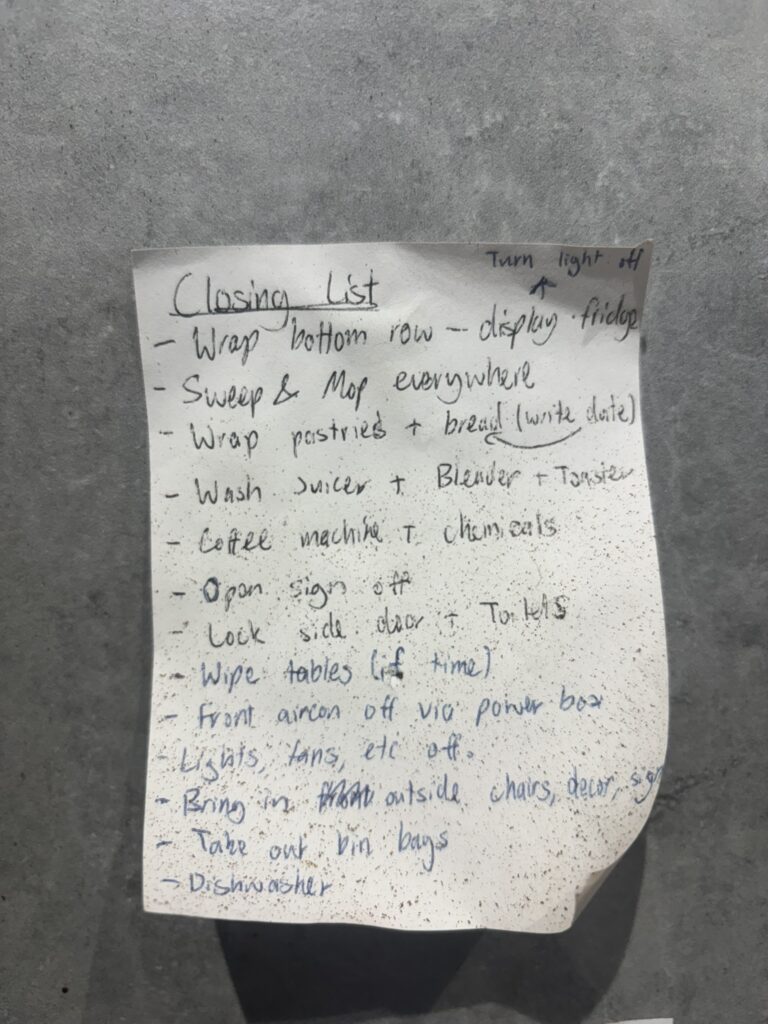
If it wasn’t finished: “It’s your inefficiency.” So no overtime pay. Even weekends and public holidays were paid at the same rate as normal weekdays. Looking back, it was clearly illegal. But at the time, I had no choice but to work. No matter how much I said there wasn’t enough time:
“Others could do it.”
“It’s your fault.”
That was the only answer. On top of that, whenever I got slightly faster, I was told to help in the kitchen. I was constantly moving. Her catchphrase was: “Don’t hide behind the coffee machine.” Meaning: don’t stop for even a second. I worked like a machine every day. Before I knew it, my mind and body were being worn down. Looking back, it was strange that no one stayed long at that job. New staff members were doing over 40 minutes of unpaid overtime every day. But it felt “normal” there. I became more and more exhausted. Eventually, I quit without even having another job lined up. I had reached my limit.
Job hunting all over again
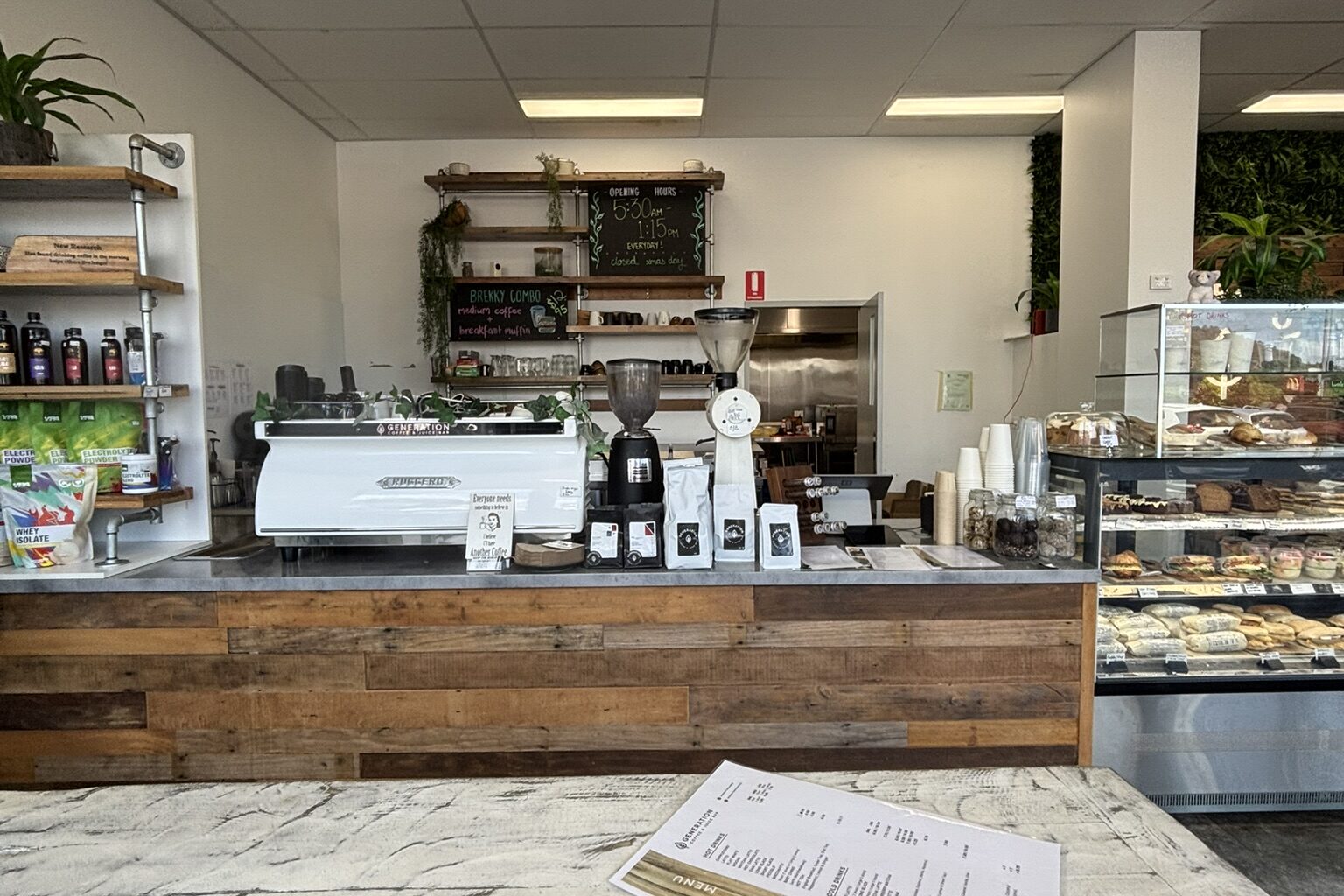
I went back to handing out resumes. Honestly, I was exhausted. Another trial shift. Another interview. Another “we’ll get back to you.” But I had no choice. After about five trial shifts, I finally found a café that seemed decent. The only problem was the location—it was about 30 minutes away by bus. The café opened at 5:30 a.m., which meant I had to arrive by 5:00. However, there were no buses that early, so I had to take an Uber every morning. It cost $30 each way. At first, I hesitated. It felt like I was working an extra hour every day just to cover the transportation cost. But among all the cafés I had tried, this was the best option I could find. So I decided to take the job.
My first “normal” workplace
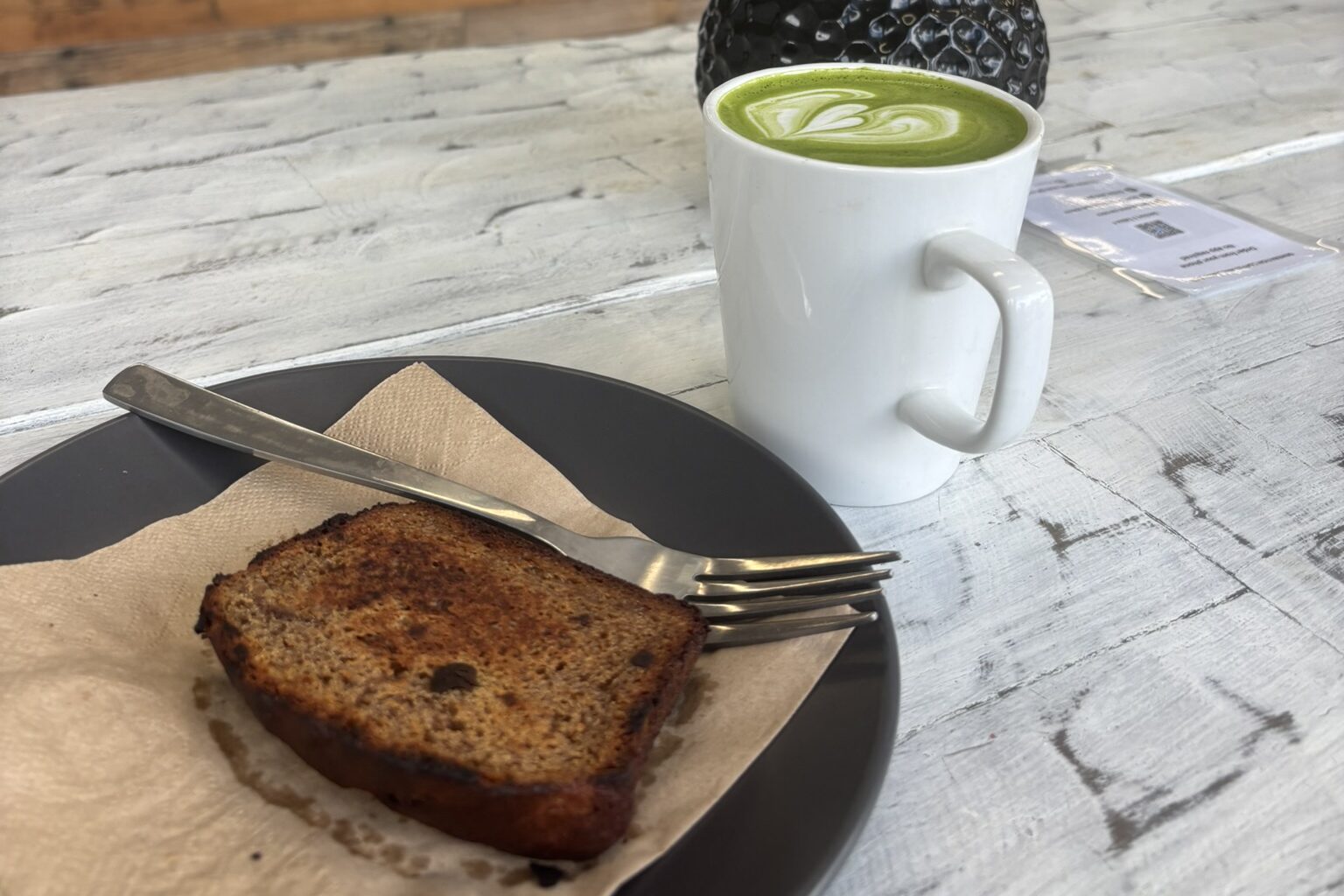
That café was completely different. Everything was managed through an app. Every hour worked was properly paid. The store was clean, and the atmosphere among staff was good. I quickly got along with new coworkers. For the first time, I felt like work was enjoyable. Of course, it was still busy. But there was no unfairness. That alone made a huge difference. Before I knew it, I was trusted to open and close the café alone. I was exhausted every day, but I felt like I was growing. I slowly got better at latte art. Four months after arriving in Australia, I finally felt like I had found a place where I belonged.
What I learned in Cairns

Unfortunately, I couldn’t stay at that café for long. I had to move to another city because of my partner’s job. But working there at the end was truly a relief. If I had stopped at the second café, I would probably have gone home thinking, “Things didn’t really work out in Australia.” Before coming to Australia, I had imagined life abroad would be somewhat glamorous. But reality was:
Not being able to find jobs
Not being able to communicate in English
Being treated unfairly
Illegal working conditions
Loneliness
Losing confidence
A constant cycle of all of that. Still, I don’t think those four months were wasted. I cried every day, but I was still moving forward every day. My working holiday in Australia was much more rough and gritty than I expected. But there were things I could only see because of that roughness.
→ Continue to Part 2👉 Starting Over in Kununurra