
For travelers wanting to explore the countryside, renting a car is one of the easiest and most practical ways to travel. This guide explains everything you need to know—from planning and booking to vehicle options, required documents, and essential extras—based on real experience and current 2026 conditions.
Table of Contents
1. Plan Your Trip and Route
Decide Pick-Up and Drop-Off Locations
Before you book, decide where you will pick up and return the car. One-way rentals (returning to a different location) may be possible, but most companies charge an additional fee.
Avoid City Centers as Starting Points
Tokyo and Osaka city centers are not recommended for drivers who are new to Japan. Here’s why:
- Traffic lights and driving rules are complex, which can be confusing for visitors
- Roads are very narrow in many neighborhoods, and larger vehicles like camper vans or big minivans can struggle
- Parking fees are very high, and many stores or convenience stores do NOT have parking
- Traffic congestion is heavy, and even Japanese drivers often avoid driving in central areas
For safety, choose rental locations in suburbs or regional areas:
- Around Tokyo: Chiba, Saitama, Kanagawa
- Around Osaka: Sakai, Hirakata, or other suburbs
- Fukuoka, Hokkaido, Okinawa: central areas are still relatively manageable
Pricing and Booking Tips (2026 Update)
Japan’s rental car prices have increased due to rising costs and exchange rate fluctuations. Below are current approximate rates:
| Car Type | Typical Price per Day (USD) | Typical Price per Month (USD) |
|---|---|---|
| Kei car (small/light car) | $35–$60 | $450–$650 |
| Compact car | $45–$70 | $550–$800 |
| Mid-size/Standard | $60–$90 | $800–$1,200 |
| SUV/Minivan | $100–$140 | $1,200–$1,800 |
- Monthly rentals are often more cost-effective than daily rates
- Peak seasons (New Year’s Dec 28–Jan 4, Golden Week Apr 29–May 5, Obon Aug 13–16, other holidays) can more than double rates and fill up quickly
- Book at least 2 weeks in advance, or earlier for peak periods
Fuel Policy
- You must return the car with the same fuel level as when you picked it up
- Rental companies typically specify several nearby gas stations for refueling
- Fuel types in Japan are usually Regular (Unleaded); high-octane is available but not standard
2. Choosing a Car Type
Common Rental Car Options
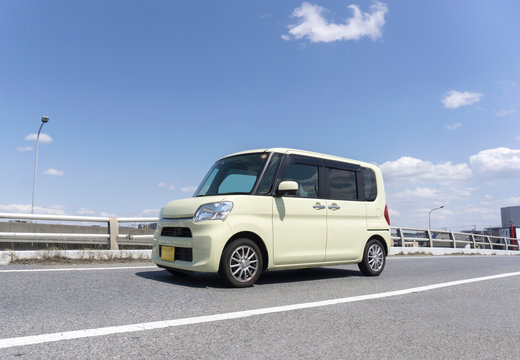
- Kei car – Excellent for narrow roads and fuel economy; perfect for budget travel or solo/duo trips
- Mid-size / Standard car – Comfortable for families or longer trips
- SUV / Van / Campervan-style – For more space or sleeping inside, but not ideal for narrow roads or inner city driving
Important Note:
Towable trailers or caravans common in countries like Australia or New Zealand are not standard in Japan and are rarely offered by rental agencies.
4×4 / off-road vehicles:
Most main roads are well-maintained, so 4×4 is not usually necessary unless you plan to drive in heavy snow or remote unpaved areas.
3. Required Documents
To rent a car in Japan, you will need:
- Your original home country driver’s license
- International Driving Permit (IDP) valid under the Geneva Convention
- Japan accepts IDPs from Geneva Convention countries
- Citizens of countries such as France, Germany, Switzerland may use their home license with an official Japanese translation instead of an IDP
- Passport (for identification)
- Credit card (for payment and deposit)
4. Optional Features and Essentials
ETC Card – Practically Mandatory
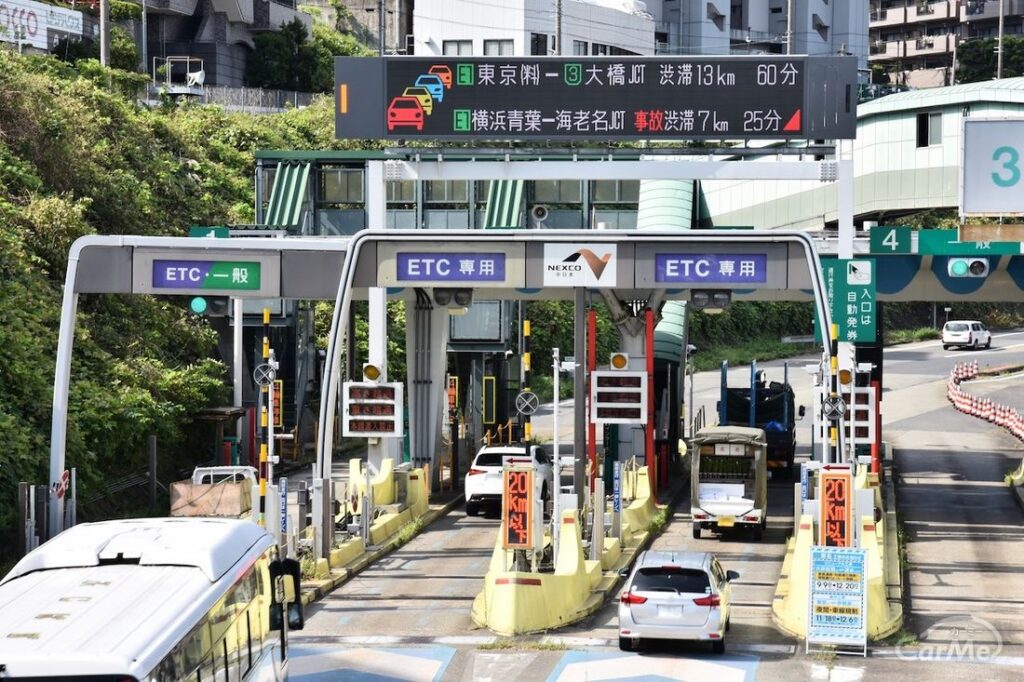
In 2026, ETC (Electronic Toll Collection) use is rapidly expanding in Japan:
- Major expressways, including Shuto Expressway (Tokyo), Hanshin Expressway (Osaka), and NEXCO toll gates, are being converted to ETC-only lanes
- Cash payment lanes are disappearing quickly
- Without an ETC card, you may not be able to exit some highways, and unsafe situations like inadvertent wrong-way driving can occur
Conclusion: ETC is no longer just “highly recommended”—it’s de facto essential if you plan to use expressways.
Winter Tires – Studless Only (Studded Tires are Illegal)
- Japan does not allow studded tires
- Studless winter tires are essential if you will drive in snowy or icy regions
- Driving without proper tires in winter significantly increases accident risk
Insurance and Waivers
- Full coverage insurance is strongly recommended
- Be sure to include NOC (Non-Operation Charge) Waiver coverage
- Without NOC waiver, you could be charged $150–$400+ even for minor scratches or non-drivable situations
- Full coverage protects you from large unexpected expenses
Document the Car Condition
Before departing, take photos and videos of the car from all angles. This safeguards you against disputes over pre-existing damage.
Summary
Renting a car in Japan is the easiest, and most practical way for short-term travelers to explore beyond major cities.
By planning ahead, choosing the right vehicle, preparing the correct documents, and selecting essential options such as ETC and winter tires, you can enjoy a memorable road trip with minimal stress. Choosing suburban or rural rental locations over city centers also significantly reduces driving risk and cost.
🚐 Before You Hit the Road
👉Read these guides :