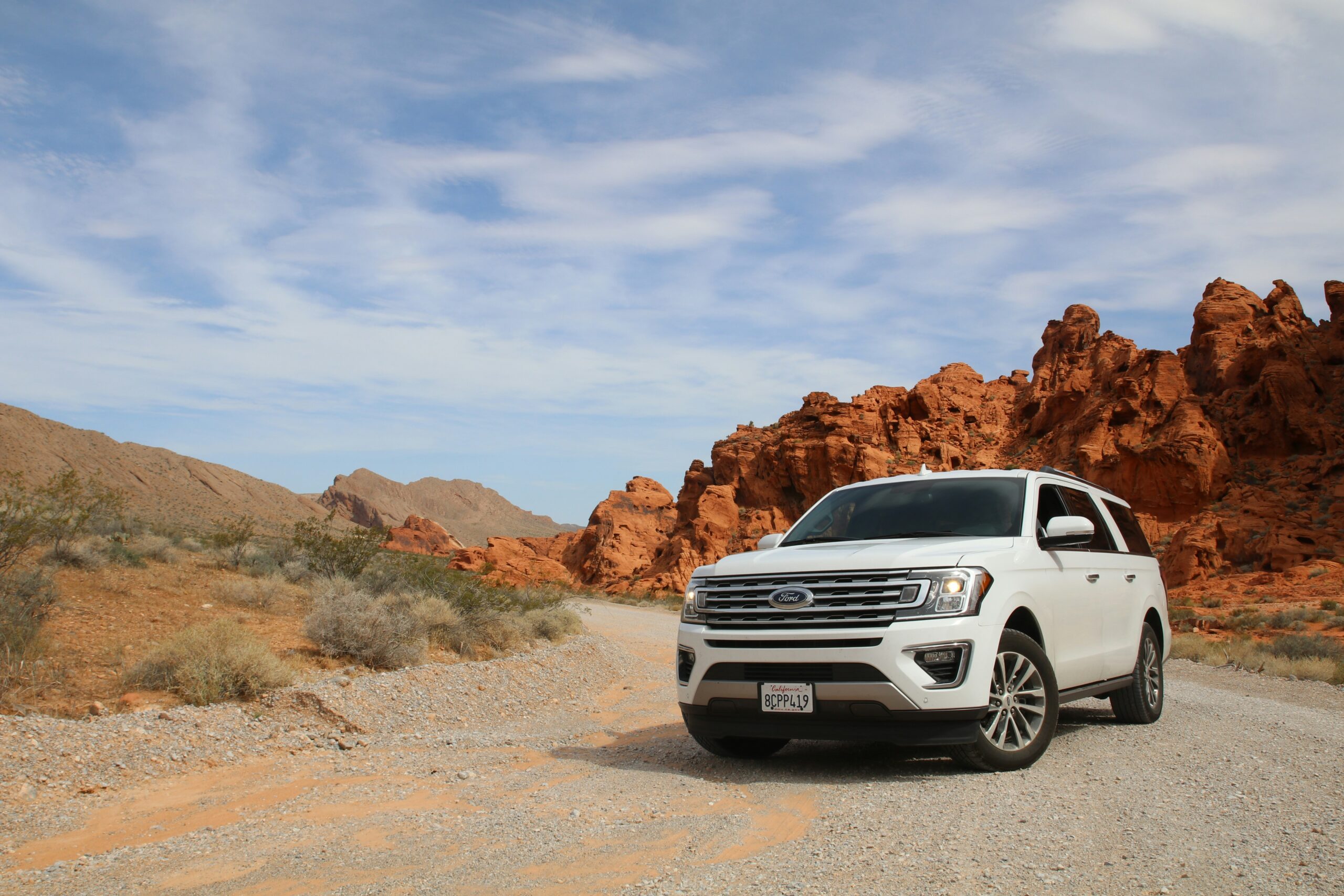

Buying a travel car is very different from buying a normal city car.
When traveling long distances, especially through remote regions, reliability becomes far more important than comfort, luxury, or appearance.
A reliable vehicle can save:
- thousands of dollars,
- weeks of stress,
- and sometimes your entire trip.
We learned this the hard way.
Here is what actually happened to us👉 A Car Broke Down in the Middle of the Argentine Desert: The 14 Most Bitter Days of My Life
Table of Contents
1. Choose Reliable Brands
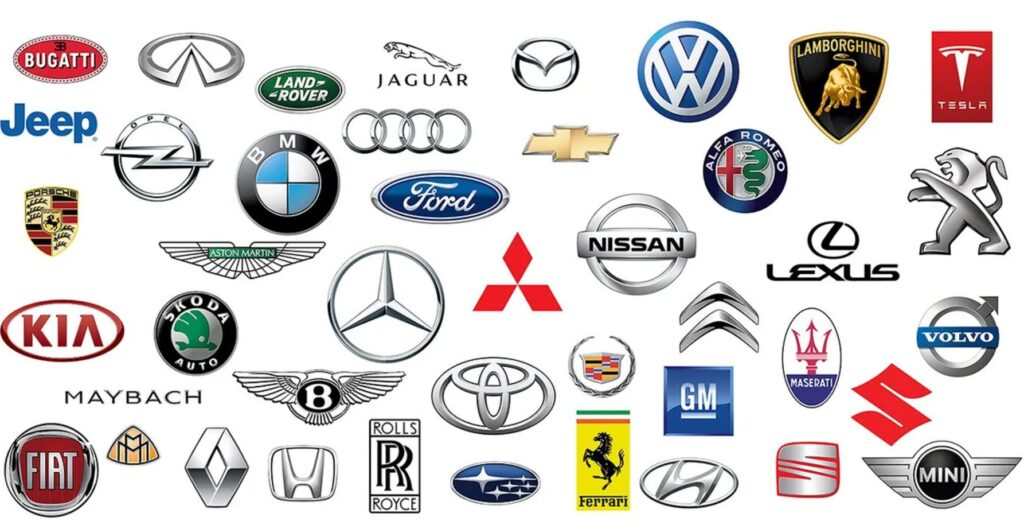
Some manufacturers are simply more reliable and easier to repair worldwide.
From long-term traveler experience, Japanese and Korean vehicles are usually the safest choice for road trips and overland travel.
Reliable Brands
- Toyota
- Honda (except some small 1.0L engines)
- Suzuki
- Mazda
- Subaru (except some older models known for head gasket issues)
- Hyundai (especially after 2010)
- Kia (especially after 2010)
- Lexus
These brands are generally known for:
- strong reliability,
- affordable maintenance,
- simple mechanics,
- and easy access to spare parts.
Toyota is especially popular because almost every mechanic in the world knows how to repair them.
⚠️Brands To Be Careful With
- Many French cars
- Many Italian cars
- Many American cars
- Many German cars
- Nissan
- Mitsubishi
German cars are often comfortable and premium, but for long-term travel they can become:
- expensive to repair,
- expensive to maintain,
- and difficult to fix in remote regions.
Nissan and Mitsubishi can be reliable depending on the model and engine generation, but many travelers still prefer Toyota, Honda, Suzuki, Mazda, Hyundai, or Kia for long overland trips.
2. Diesel or Petrol?
Diesel
Diesel engines are generally:
- stronger,
- more fuel efficient,
- better for long distances,
- and better for carrying heavy loads.
They also produce more torque, which is useful for:
- mountains,
- off-road driving,
- sand,
- mud,
- and rough terrain.
A diesel vehicle often feels more relaxed and capable during long road trips.
Petrol
Petrol cars are often:
- cheaper to buy,
- quieter,
- and easier to find in cities.
A petrol vehicle can absolutely work for traveling, but for rough conditions and very long distances, diesel is often preferred.
3. Check Mileage and Vehicle Age
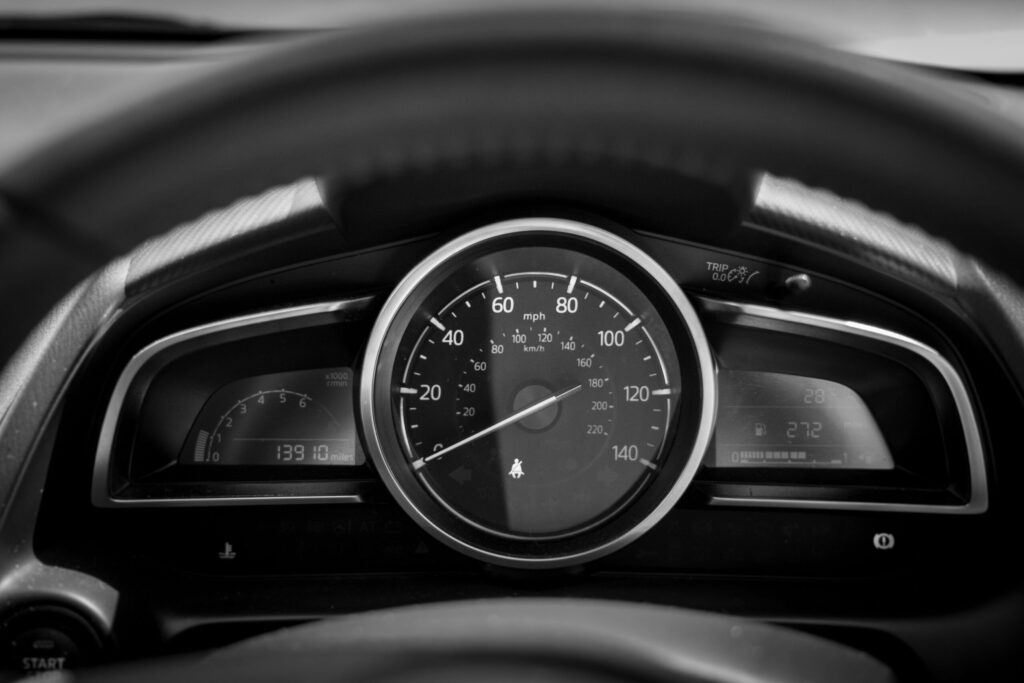
A cheap high-mileage car is rarely a good deal.
Always check:
- mileage,
- production year,
- and how the vehicle was used before.
A car with:
- 300,000 km,
- rough-road history,
- and poor maintenance
can quickly become a financial nightmare.
Sometimes paying more at the beginning saves thousands later.
4. Check the Maintenance History
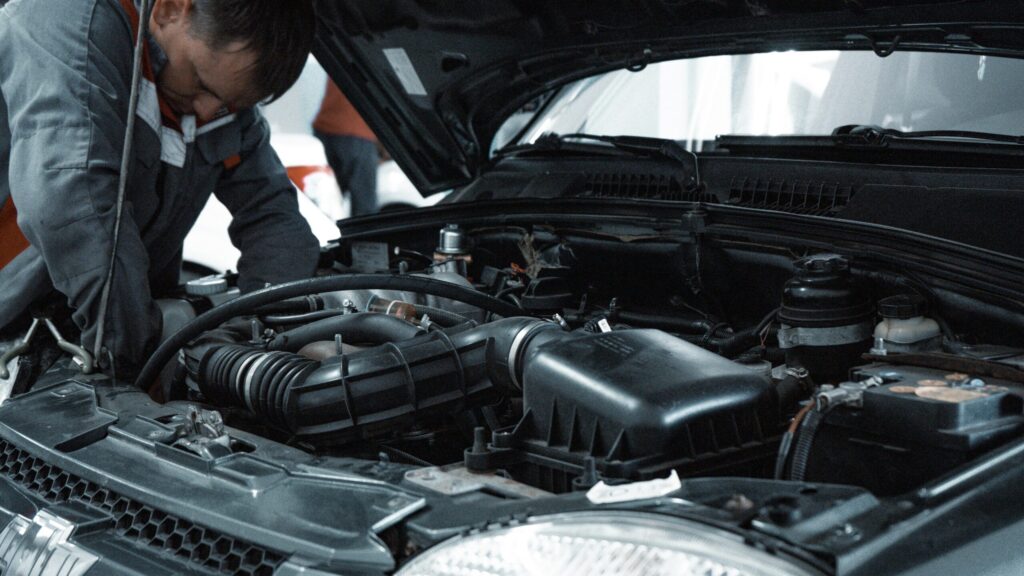
This is one of the most important things.
Ask for:
- maintenance records,
- repair invoices,
- oil changes,
- previous mechanical problems,
- and accident history.
A well-maintained vehicle is usually a much safer choice than a newer vehicle with missing history.
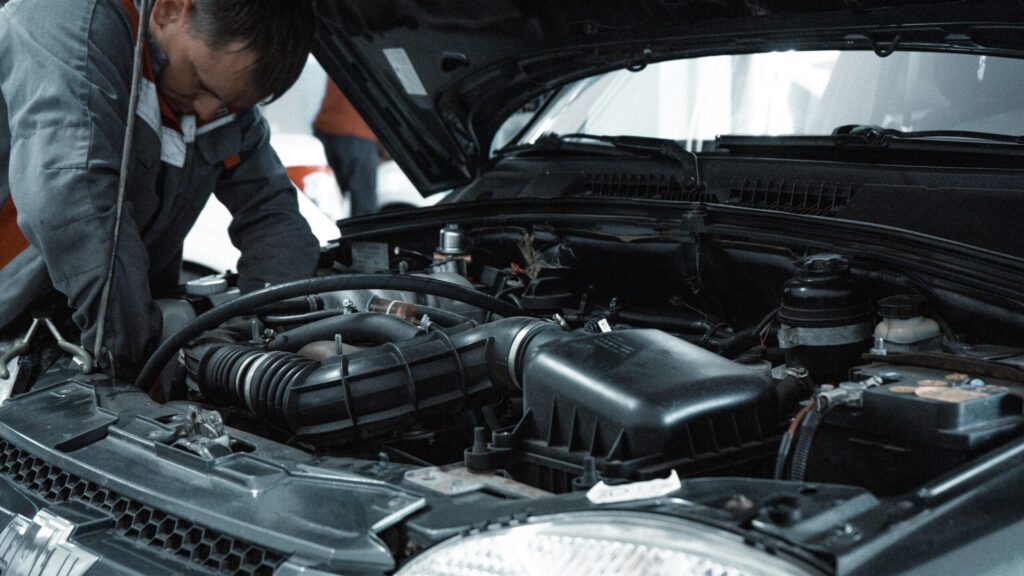
5. Avoid Cars With Major Engine Repairs
Many people think:
“The engine was rebuilt, so now it’s reliable.”
In reality, major engine repairs are often a warning sign.
Serious engine damage usually comes from:
- overheating,
- poor maintenance,
- low oil,
- aggressive driving,
- or neglect.
Even if repaired correctly, the rest of the vehicle may already be heavily worn.
For long-term travel, it is usually safer to avoid:
- rebuilt engines,
- head gasket repairs,
- severe overheating history,
- or major mechanical work.
6. Avoid Typical Backpacker Cars

Backpacker cars are often cheap… but risky.
These vehicles usually:
- travel huge distances,
- carry heavy loads,
- and pass through many owners quickly.
The biggest issue is often poor driving habits and delayed maintenance.
Common problems include:
- late oil changes,
- cheap repairs,
- ignored noises,
- aggressive driving,
- overloading,
- or damaged gearboxes.
A backpacker car may look clean externally while being mechanically exhausted underneath.
7. Never Fully Trust Car Dealers

Especially “backpacker-friendly” dealers.
Some sellers know travelers are inexperienced and often in a hurry.
Always:
- inspect the car independently,
- test drive it properly,
- and ideally pay for a professional mechanical inspection.
Remember:
the seller’s goal is to sell the vehicle.
8. If the Deal Looks Too Good, Be Careful

If a car looks:
- too cheap,
- too clean,
- too recent,
- and too perfect for the price,
there is usually a reason.
Even if the vehicle looks good externally, hidden problems may exist inside:
- the engine,
- gearbox,
- cooling system,
- or electronics.
If something feels suspicious, walking away is often the smartest decision.
9. Think About Repairs Before Problems Happen
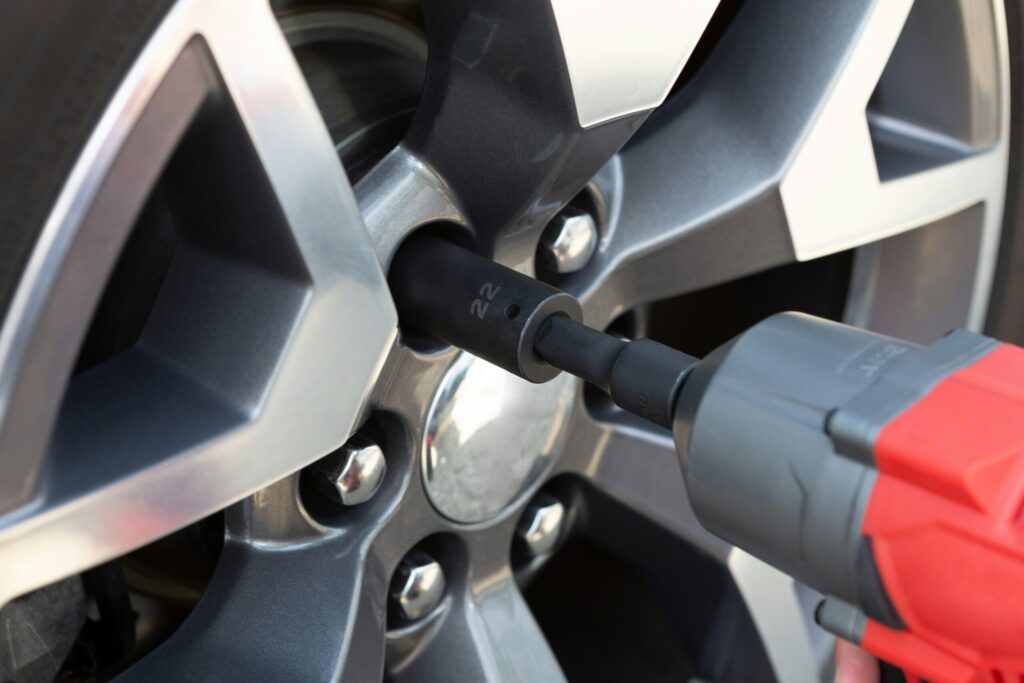
Even reliable cars can eventually break.
During long trips, problems can happen with:
- suspension,
- alternator,
- clutch,
- cooling system,
- sensors,
- or engine components.
Ask yourself:
Can this vehicle be repaired easily where I’m going?
A common vehicle with easily available parts can save:
- weeks of waiting,
- massive repair bills,
- and sometimes your entire trip.
10.Limited Buyer Protection in Many Countries

In many countries, once you buy a vehicle, buyer protection is extremely limited.
After the purchase:
- any issues become your responsibility
- refunds are rare or difficult
- legal protection may be weak or slow to enforce
- even dealers may refuse responsibility after the sale
Because of this, you should never rely only on:
- trust
- appearance
- verbal promises
A pre-purchase mechanical inspection can prevent serious problems and protect your trip.
11. Research the Local Market Before Buying
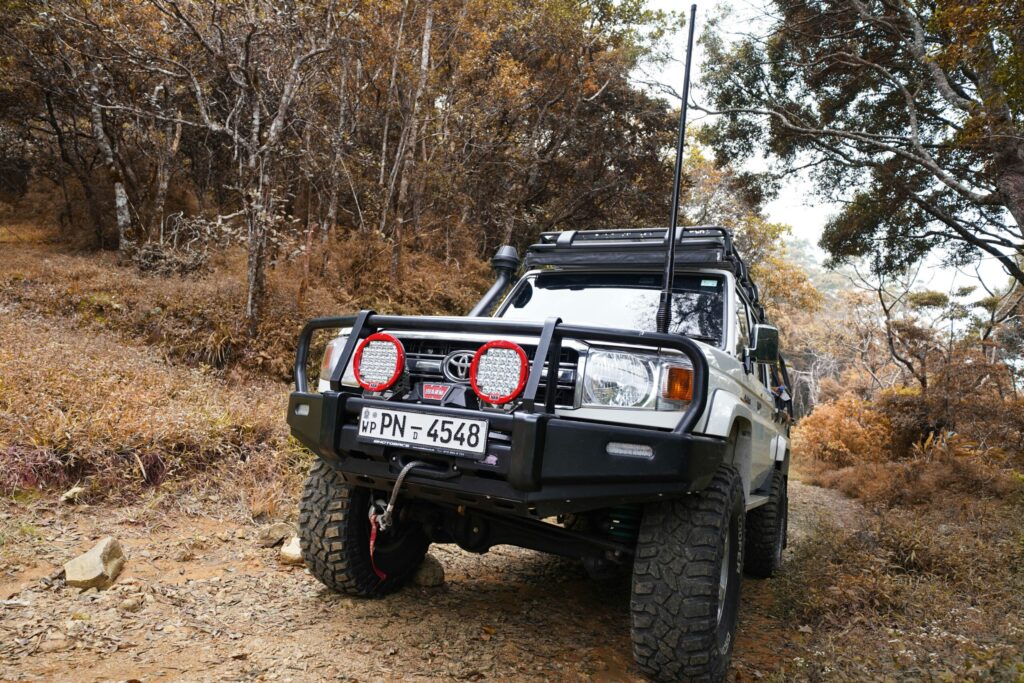
A car can be extremely reliable on paper, but still become a bad travel vehicle in the wrong country.
Before buying, look at what vehicles are most common locally.
For example:
Toyota is considered one of the most reliable brands in the world, but in some countries it may not be the most common vehicle on the road.
And during a road trip, especially in remote regions, the biggest issue is often not reliability itself — it is:
- parts availability,
- repair cost,
- and how easy the vehicle is to fix locally.
In remote areas, mechanics often only stock parts for the vehicles they see every day.
Even an excellent vehicle can become a nightmare if:
- parts are unavailable,
- mechanics do not know the engine well,
- or repairs require waiting weeks for delivery.
That is why it is smart to study the local market before buying.
Look for:
- the most common brands,
- the most common engines,
- and the vehicles local mechanics repair most often.
Sometimes choosing a simpler and more common vehicle is far more practical than choosing the “best” vehicle on paper.
During a road trip, especially far from cities, repairability and parts availability are often just as important as reliability itself.
12. Tips Category — What To Check Before Buying a Car

① Check the maintenance history
Ask for invoices, oil changes, and repair records.
② Check if the engine uses a timing belt or timing chain
A timing belt replacement can cost $700–$1500+.
③ Start the engine cold
A warm engine can hide many problems.
④ Look for oil leaks
Especially under the engine and gearbox.
⑤ Check for overheating signs
Look for:
- coolant leaks
- white smoke
- coolant smell
- unstable engine temperature
⑥ Inspect the engine oil
Milky oil can indicate head gasket problems.
⑦ Check coolant condition
Oil inside the coolant is a very bad sign.
⑧ Test drive the car properly
Not just 2 minutes around the block.
⑨ Drive at highway speed
At least 90–100 km/h to detect vibrations or gearbox issues.
⑩ Check the clutch
Look for:
- slipping
- vibration
- difficult shifting
⑪ Test every gear
Especially reverse gear and higher gears.
⑫ Check automatic gearbox behavior
Watch for:
- jerking
- slipping
- delayed shifting
- vibration
⑬ Listen for suspension noises
Clunks and knocks often indicate worn suspension parts.
⑭ Check wheel alignment
If the car pulls left or right, there may be:
- suspension damage
- poor alignment
- previous accident damage
⑮ Inspect tire wear
Uneven tire wear often reveals hidden problems.
⑯ Check underneath the vehicle
Look for:
- rust
- oil leaks
- coolant leaks
- impacts
- damaged components
⑰ Look for accident repairs
Uneven paint, panel gaps, or poorly aligned body panels can indicate previous crashes.
⑱ Test all electronics
Check:
- AC
- windows
- lights
- fans
- dashboard functions
- sensors
⑲ Check dashboard warning lights
ABS, engine light, airbag light, transmission warnings, etc.
⑳ Pay for a mechanical inspection before buying
A small inspection cost can save thousands later.
Final Advice
Do not buy a car emotionally.
A good travel vehicle should be:
- reliable,
- simple,
- common,
- and well maintained.
The cheapest car often becomes the most expensive one later.
When traveling far from home, reliability is freedom.