
Table of Contents
1. The Beginning: Choosing Suzi Santiago

To travel across South America by car, we bought a vehicle. The transaction was arranged through “Suzi Santiago,” an agent connecting backpackers buying and selling cars. “This will give us freedom to travel across South America.” We believed it. Before buying, we asked many times: “Is this car really okay?” The answer was always the same: “Yes, yes, perfect!!” We trusted those words. But after all the payments and signatures were completed, we were handed one sheet of paper.
— Previous engine repair: 1,700 USD.
For someone who knows about cars, this was a major warning sign. A major engine repair meant there was a possibility of hidden problems, and we realized we might have bought a risky car. At that moment, my vague doubts became a reality. But there was no turning back. The journey had already begun.
2. From Paradise to Collapse: The Patagonian Desert
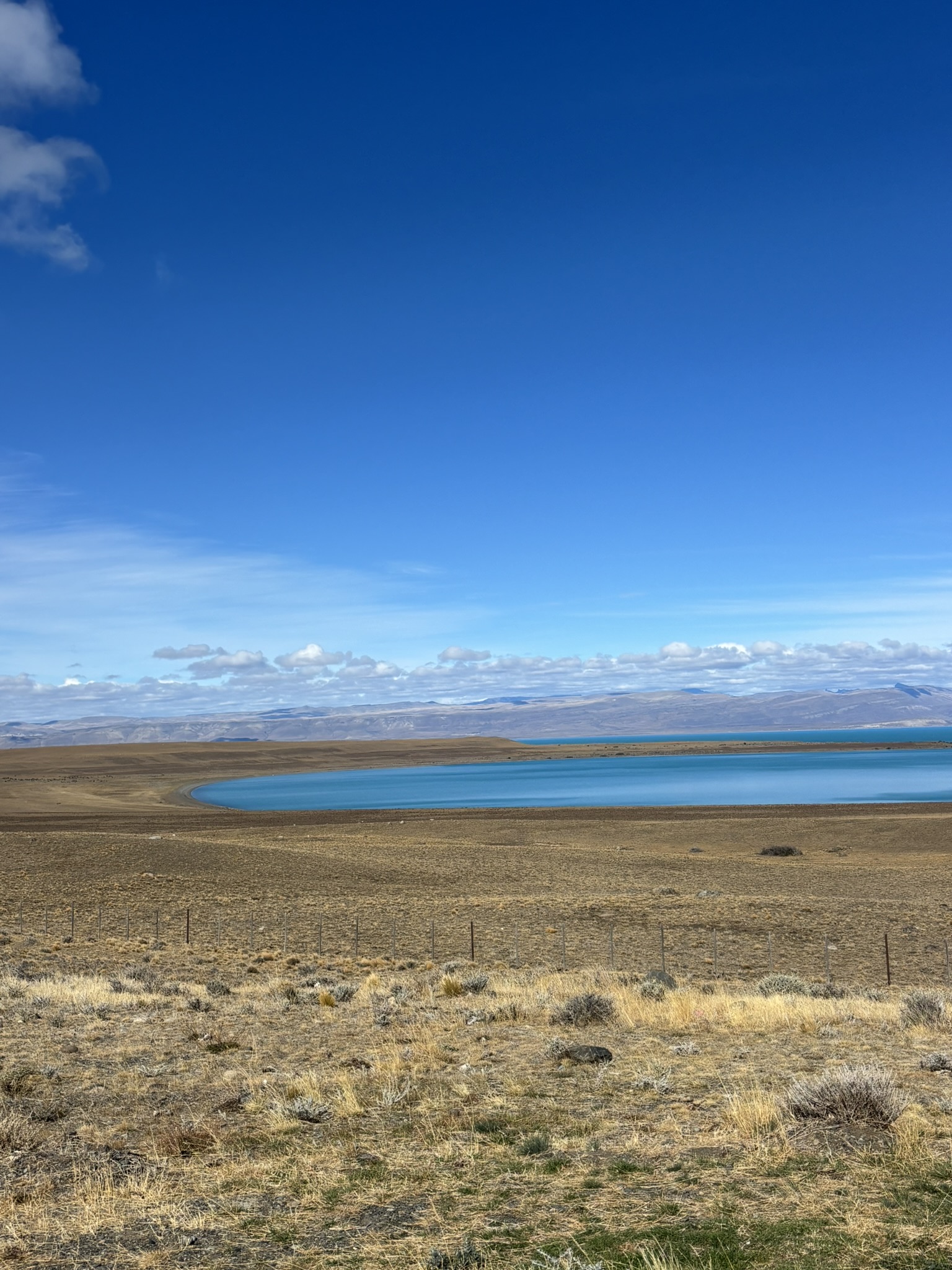
About one month into the trip, in the desert between El Chaltén and El Calafate, the car suddenly screamed. After stopping at a mirador overlooking a lake, we started driving again — and white smoke suddenly rose. We pulled over immediately. The oil was gone. Completely gone, despite checking it every morning.
Just as we had feared, the problem we had been worried about had finally happened.
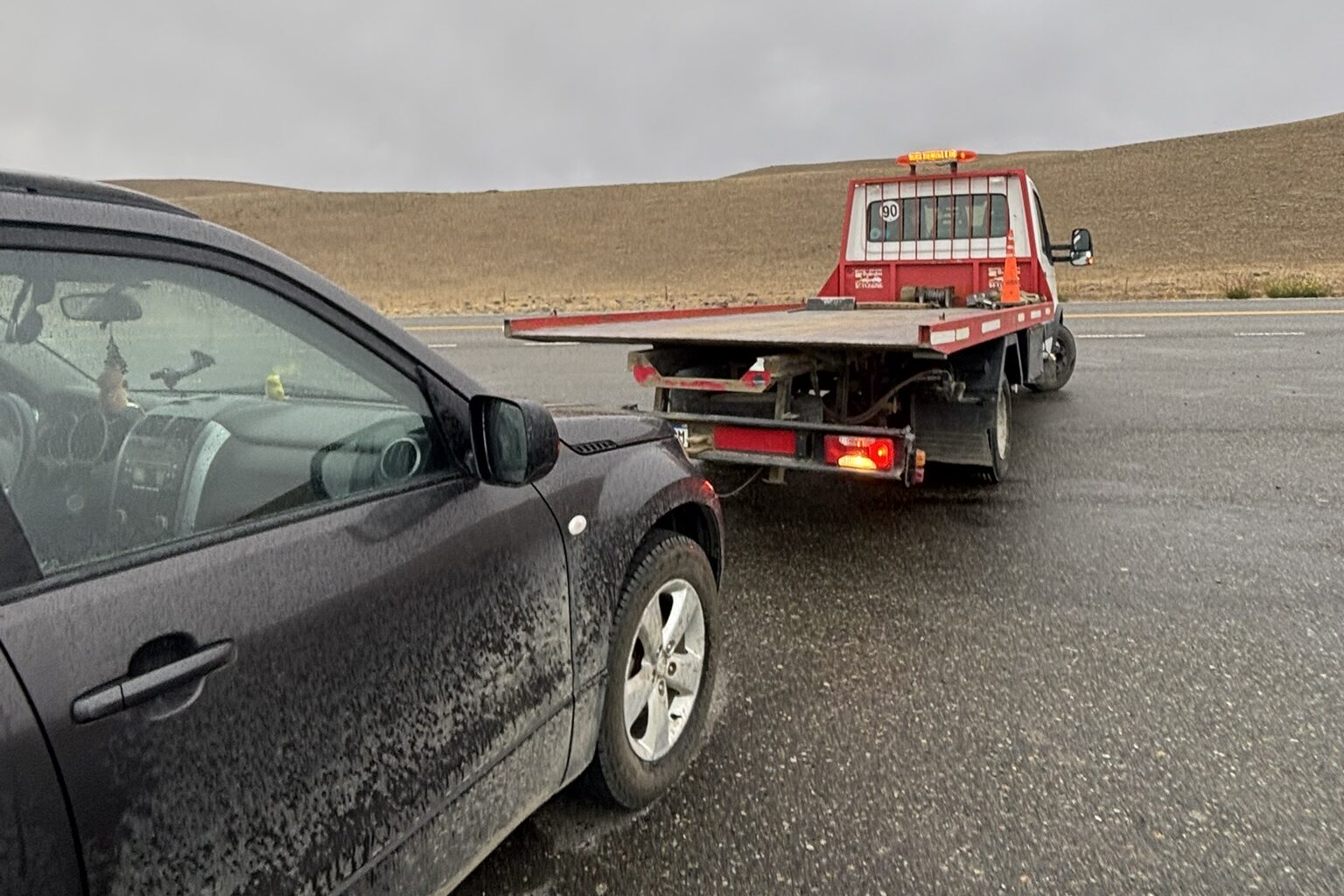
In the middle of a desert with no internet, all that remained was a motionless piece of metal. We hitchhiked for help, and a German camper stopped and shared his internet with us. A tow truck was called: 330 USD, one hour to the nearest town.
That night, we slept in a dark garage in El Calafate, filled with anxiety. The next day, the cause was still unclear. Only a temporary fix was done. We began to rethink our options. At that point, we felt we needed proper diagnostics in a bigger city, and more importantly, the car had been purchased in Chile — so it made sense to deal with the situation there.
“We should go back to Chile.” We headed toward Puerto Natales, 300 km away. But after 100 km, white smoke appeared again. We had to stop every 30 km, refill, and keep going slowly. A desperate, crawling drive continued.
3. The Verdict: Near Total Engine Failure
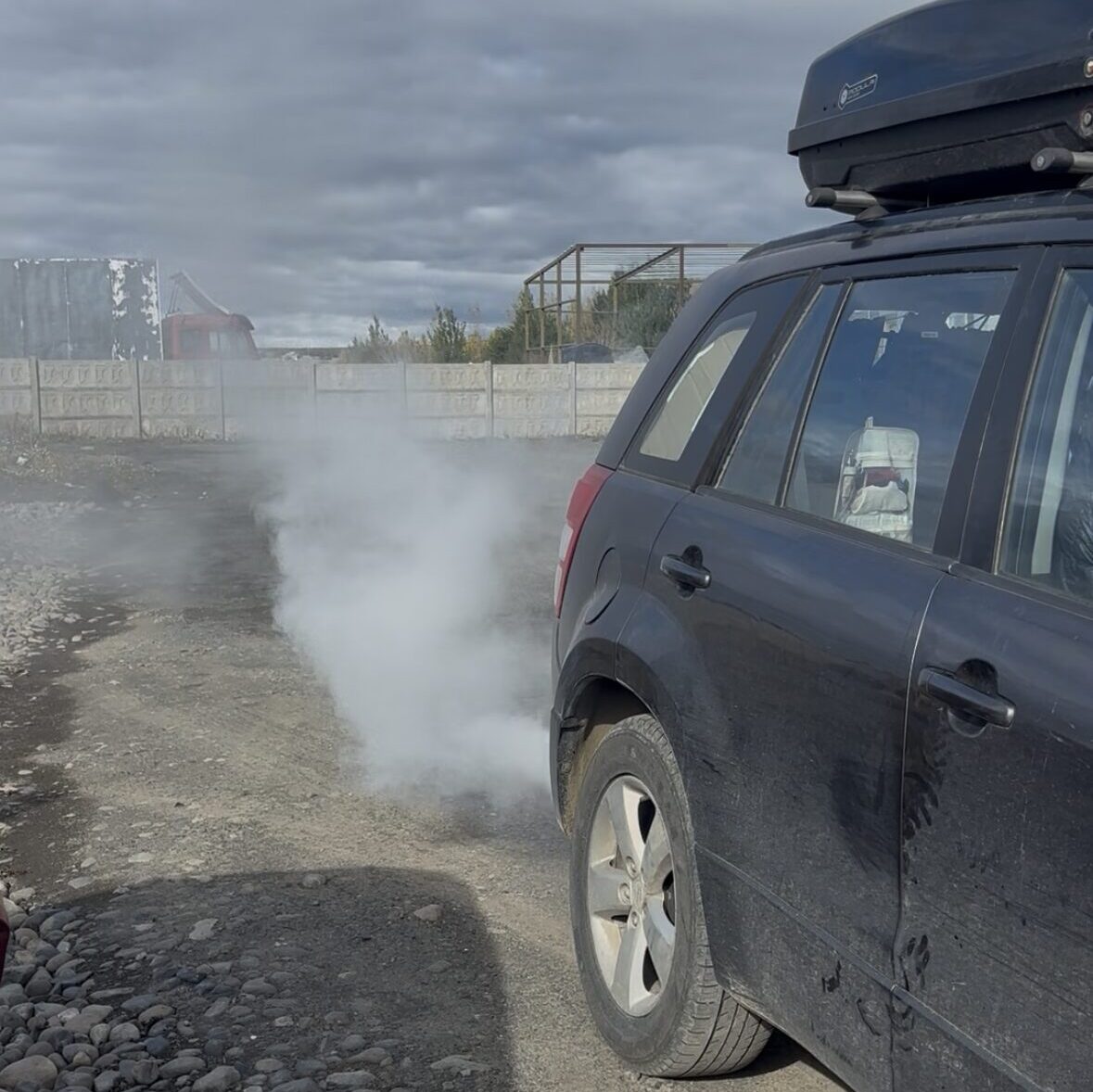
In Puerto Natales, the diagnosis was devastating. The cause was a critical engine failure caused by a temporary fix made by the previous owner. Instead of properly repairing the engine, the problem had only been covered up with a superficial repair before the car was sold to us as “ready for travel.”
The repair cost was estimated at at least $4,000, and it would take more than one month. Even then, there was no guarantee that the engine would actually be fixed. The only realistic option was to replace the entire engine. However, the necessary parts were not available locally and had to be shipped from Santiago. This meant even more time, additional costs, and more uncertainty.
We realized that we had run out of realistic options to get the car back on the road.
4. The Collapse of Trust in Suzi
We immediately contacted Suzi, hoping they would help us find a solution. However, the only response we received was: “We are checking the details…”
Their replies were painfully slow, and we had to keep following up just to get a response. Since we were getting nowhere, we tried calling them, but they simply repeated the same thing: “This is not our responsibility.” No matter how much we explained our situation, we couldn’t have a meaningful conversation or find any solution. Eventually, after we kept contacting them persistently, Suzi finally gave us an answer:
“Just tow the car back to Santiago. We can arrange a tow truck for you. Other than that, there is nothing we can do. This is not our responsibility.”
Santiago was more than 3,000 km away from where we were. It was a completely unrealistic suggestion, and it made it clear that they were not trying to understand our situation or help us find a solution. The people who had once promised, “You can always count on us if anything happens,” now seemed to see us as nothing more than a problem they wanted to avoid.
5. A Car That Cannot Move, Be Sold, or Be Owned
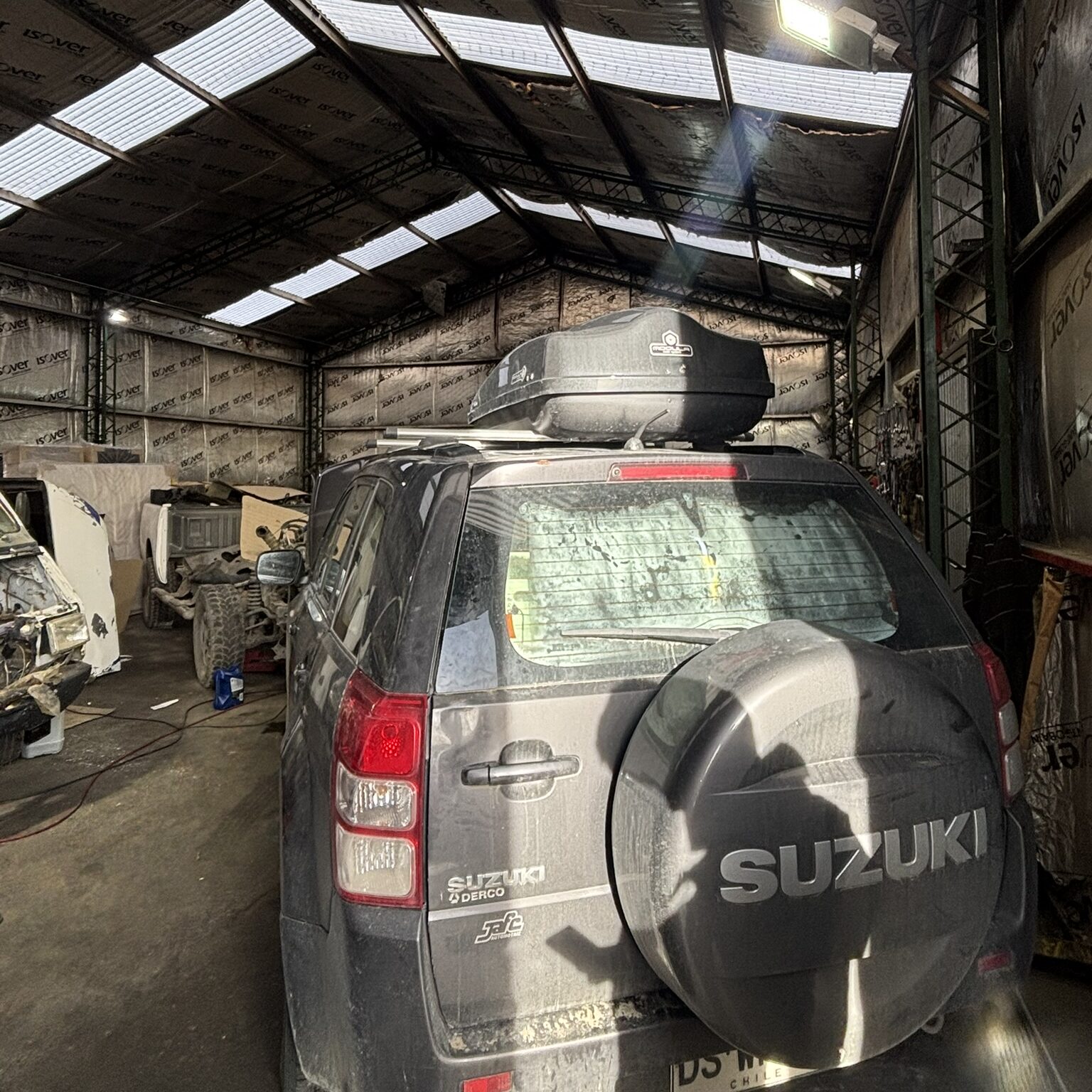
If we couldn’t repair the car, we thought we could at least sell it for parts. However, that was impossible as well. The reason was simple: the ownership had not yet been officially transferred to us, meaning we could not complete the legal process required to sell the car. In Chile, this transfer process takes several months. We contacted the authorities, but they told us there was no way to speed up the process.
We didn’t have much hope, but we decided to ask Suzi anyway. Their response was shocking. They suggested that we simply leave the car on the road and leave the town. This came with a huge risk. If someone stole the car or caused an accident with it, we could still be held responsible. Once again, it became clear that Suzi was not seriously considering our situation or trying to find a responsible solution.
In the end, we were completely stuck. We were left with a car that we couldn’t repair, couldn’t sell, and couldn’t even get rid of.
6. Hope and Collapse at the Notary
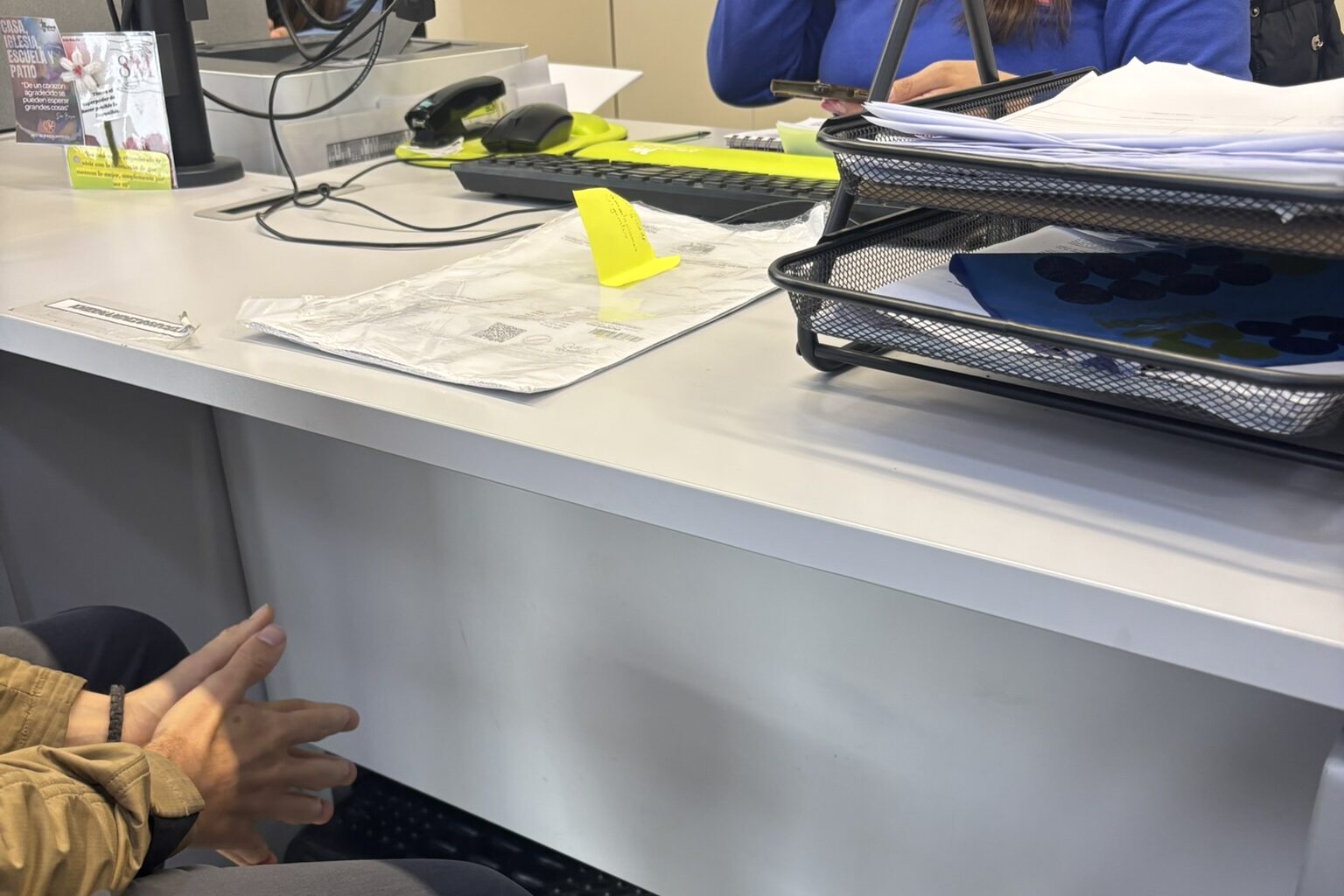
We were completely stuck, but we knew we had to find a solution somehow. We decided to go back to the notary office and negotiate, asking if there was any way to sell the car before the ownership transfer was completed. At first, we were repeatedly refused. However, eventually, the supervisor came out and told us:
“If you can actually find a buyer, we may be able to issue a special power of attorney.”
Finally, we saw a glimpse of hope. We spent the next three days desperately searching for a buyer. We contacted repair shops, car accessory stores, and searched through Facebook. Then, on the third night, we finally found someone willing to buy the car. “This is it. It’s finally over.” We allowed ourselves to feel a small sense of relief, believing that we were finally free from this nightmare.
However, when we returned to the notary office on Monday, the same officer looked at us and said:
“Actually, we were told that it wasn’t possible after all unless the ownership transfer had been completed.”
After everything we had been through, they suddenly changed their answer. After three days of desperately searching for a buyer, the hope we had finally found disappeared in an instant. We were speechless. “But you told us it was possible before!” we desperately argued. However, they simply told us there was nothing they could do and sent us away.
We sat in the park in front of the office, completely lost. I couldn’t believe we had reached a situation where there seemed to be absolutely no way forward. I felt tears coming to my eyes. After about an hour of feeling defeated, we realised we couldn’t give up here. The only thing we could do was keep negotiating until we got a “yes.”
When the lunch break ended, we went back to the notary office once again. This time, we asked the Chilean buyer to come with us and help explain the situation. Perhaps because we had been so persistent, the officer finally gave in. Reluctantly, he agreed and issued the necessary document. Finally, the sale went through.
Purchase price: $5,000
Sale price: $1,000
Loss: around $4,000
Our journey came to an end after just one month, leaving us with a huge financial loss.
Epilogue
It was bitter. Painful. And still hard to accept. The cost of this lesson was far too high. Trusting Suzi. Choosing a backpacker-used vehicle. Prioritizing cheapness over safety. The regrets don’t end. But one thing became clear:
Never buy a backpacker car. Long-distance, rough roads, and constant use hide serious damage.
Never fully trust agents. Their goal is to sell, not to help when things go wrong.
If possible, buy a newer car. Roads in South America are harsh, and cars break down quickly.
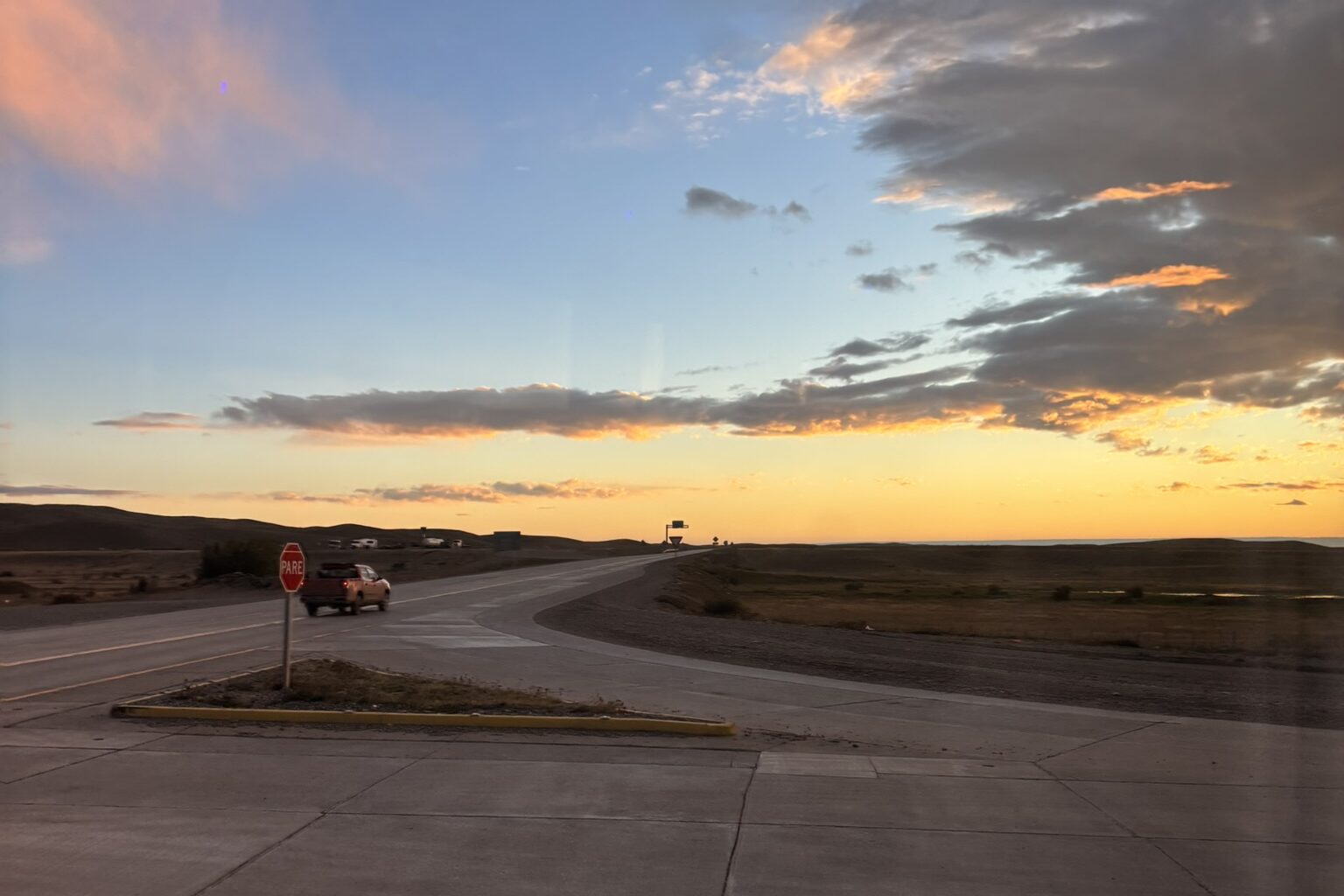
When the bus left Puerto Natales, I could finally breathe again. Only the view outside the window felt real. The bitterness remained. But I had no choice but to move on.