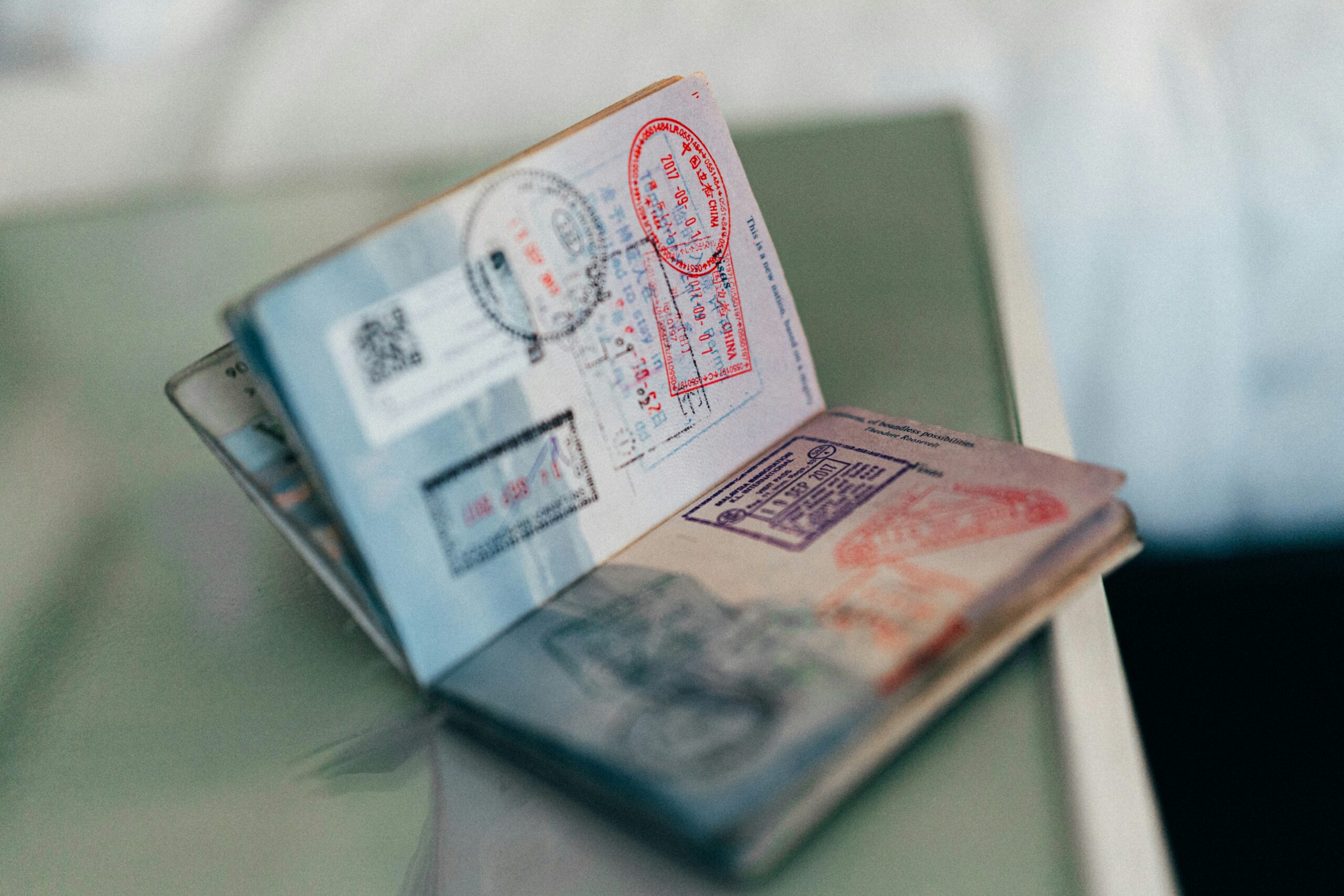

When people think about travel safety, they usually think of things like pickpocketing, scams, or dangerous areas. Of course, those things matter. But after traveling for a long time, I realized that many serious problems actually come from things people never even think about.
And the worst part is that these are not the kinds of problems you can simply brush off with “I didn’t know.”
Denied entry. Huge unexpected expenses. Being treated as an illegal entrant. Frozen bank cards. Losing precious memories.
In this article, I want to share the things I’m genuinely glad I knew before traveling as a backpacker.
Table of Contents
1. Visas & Electronic Travel Authorizations

Sometimes You Need a Visa Even for Transit
One thing many travelers overlook is that some countries require a visa even if you are only transiting through the airport.
For example, in the UK and Canada, depending on your nationality and circumstances, you may need a transit visa even if you never leave the airport.
Some countries, such as Australia and the United States, also require electronic travel authorization in addition to a visa.
For example:
- Australia → ETA (Electronic Travel Authority)
- United States → ESTA (Electronic System for Travel Authorization)
- Canada → eTA (Electronic Travel Authorization)
And approval is not always instant. Sometimes it can take more than a day.
If you think, “I’ll just apply at the airport,” you may end up being denied boarding. Always check the latest requirements before your trip.
2. Proof of Onward Travel
One of the Biggest Backpacker Pitfalls
If you travel without fixed plans, this is something you absolutely need to know about.
Many countries require proof that you will leave the country within the allowed period of stay. This is especially common in countries where visas are not required.
And the check does not only happen at immigration.
Airline staff often ask for proof of onward travel during check-in before you even board your flight.
How strict they are depends on the country and the airline.
For example, when I checked in for a flight to South Africa in Tanzania, the airline staff carefully verified whether my onward ticket was real.
If you do not have proof of onward travel, you may be forced to:
- Buy an expensive ticket on the spot
- Or give up boarding your flight
For backpackers who prefer deciding their next destination later, this can be extremely frustrating. But realistically, it’s something you need to deal with.
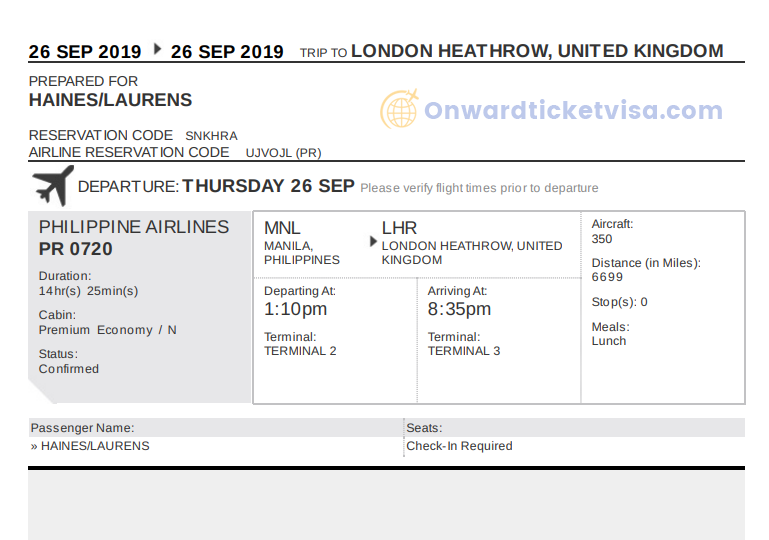
Personally, I use a service called Onward Ticket Visa.
This service temporarily creates a real flight reservation (with a valid PNR number) that can be used as proof of onward travel.
The process is simple.
You enter your name, travel dates, and destination, pay around $10, and within minutes to an hour you receive a flight reservation confirmation.
The reservation can actually be verified on the airline’s website. Then, after 48 hours or a few days, it is automatically canceled.
So this is not a fake ticket generator.
The service uses real airline reservation systems (GDS systems used by travel agencies), which is why the booking appears as a legitimate reservation on airline websites.
People commonly use it because:
- They only have a one-way ticket
- They have not decided their next destination yet
- They need a travel itinerary for a visa application
- Immigration or airline staff require proof of onward travel
However, there are important things to understand.
The reservation eventually disappears, and you cannot actually board the flight.
Personally, I’ve never had any problems using this service. But airlines can receive fines for transporting passengers who are denied entry, so some airlines and countries may check very strictly. Use it at your own risk.
Another option is to purchase a fully refundable ticket and cancel it later. This is more expensive, but also safer and more reliable.
I’ve also met backpackers who used completely fake tickets they made themselves.
Honestly, I would never recommend that. The risk is simply too high.
3. Passport Stamps
Souvenir Stamps Are a Terrible Idea
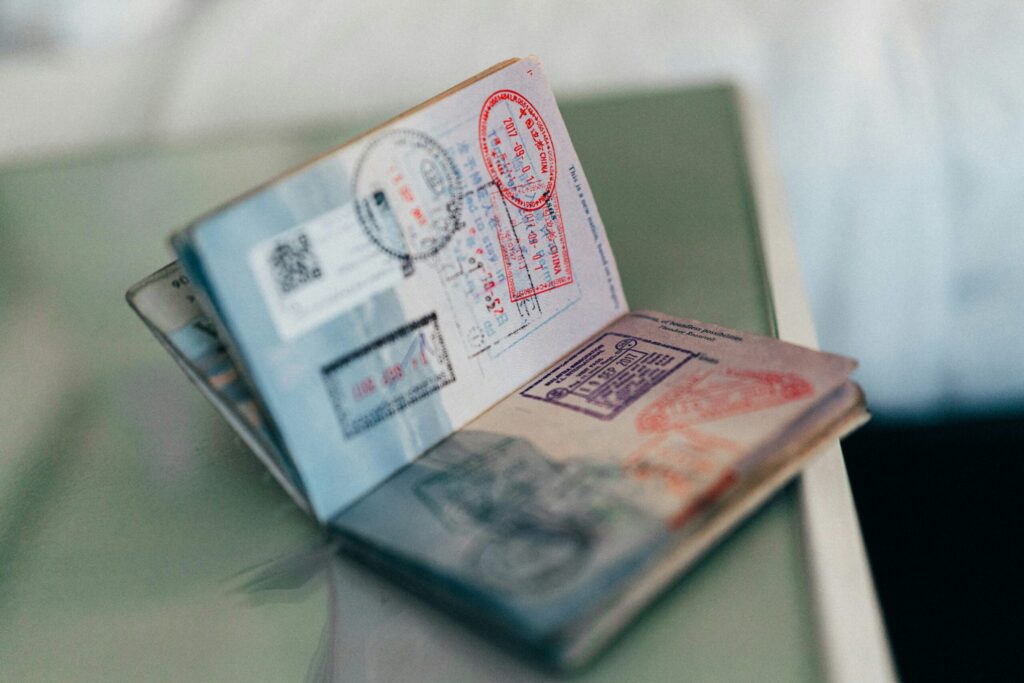
Always make sure your passport is properly stamped and that your entry has officially been processed.
This is extremely important.
Especially when crossing borders overland.
I’ve heard several stories of travelers crossing borders by bus and accidentally entering a country without stopping at immigration.
This can later cause serious problems. During police checks or when leaving the country, you could be treated as an illegal entrant and face heavy fines or other trouble.
Whenever you cross a border, make sure:
- You received the proper stamp
- Your entry procedure was officially completed
Also, in some tourist areas in Peru and other countries, there are places that offer decorative souvenir passport stamps.
⚠Never do this.
Some countries may consider these stamps as passport damage and refuse you entry.
There was even a case in Japan where someone wrote a farewell message inside their partner’s passport as a surprise, and it caused huge controversy online.
No matter the reason, never add:
- Drawings
- Messages
- Souvenir stamps
to your passport.
It can lead to denied entry or even invalidate your passport entirely.
4. USD Is Extremely Useful

US dollars are incredibly useful while traveling.
In some parts of Africa and South America, USD can even be used directly or preferred over local currency.
That’s why I strongly recommend always carrying at least some USD cash no matter where you travel.
At minimum, enough to pay for one night of accommodation.
Because situations like these happen surprisingly often:
- The airport ATM is broken
- Local ATMs are not working
- Currency exchange offices are closed
When traveling to Bolivia specifically, I highly recommend bringing USD cash.
Because of the unofficial “blue rate,” you can often exchange dollars at a much better rate than the official exchange rate. I explain this in detail in another article.
【2026 Edition】Traveling in Bolivia Without Knowing the “Blue Rate” Could Cost You
5. ATMs
Every Traveler Eventually Experiences ATM Problems
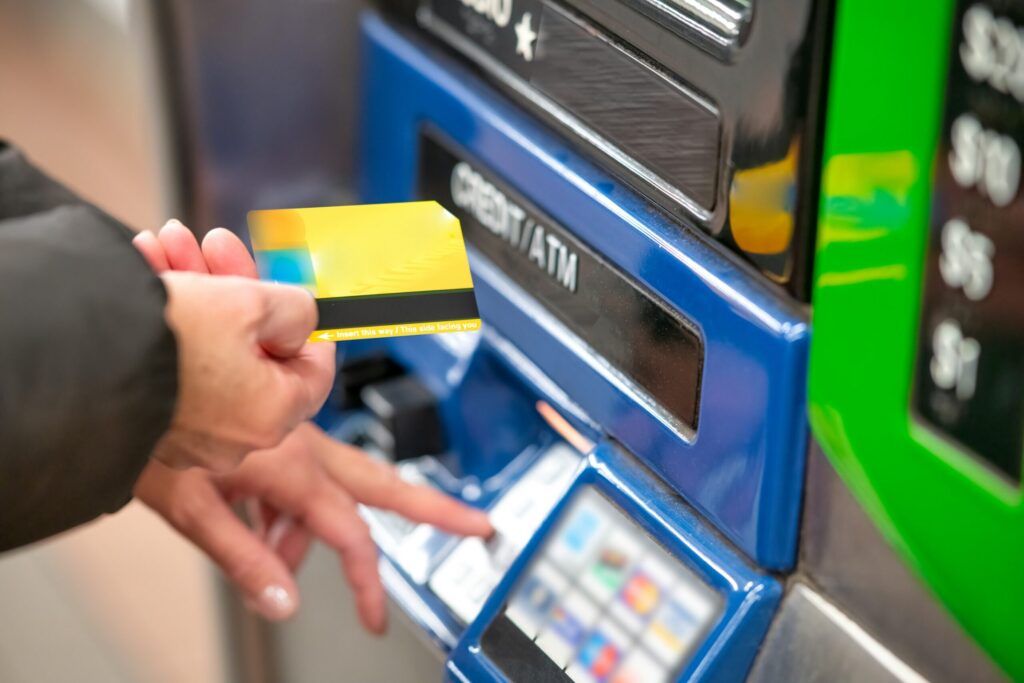
ATMs are one of the most common sources of travel trouble.
To avoid skimming scams, you should always be cautious when using them.
Check whether:
- The card slot looks suspicious
- Your card inserts smoothly
- Anyone nearby seems suspicious
- You are covering your PIN properly
The most important thing is your PIN number.
Even if someone steals your card information, damage can sometimes be prevented if they do not know your PIN.
But if your PIN is stolen too, fraudulent charges may be considered your responsibility.
That’s why you should make absolutely sure that nobody — not store employees, people behind you, or even security cameras — can see your PIN.
And ATM problems happen far more often than people think.
Here are some experiences from me and my friends:
- In Turkey, my card was swallowed by an ATM on a Saturday and never came back out. I called the ATM company, but nobody answered because it was the weekend. I had to freeze my card and anxiously wait until Monday.
- In Egypt, the power went out the exact moment I inserted my card, and I couldn’t retrieve it until electricity returned.
- In Laos, my card was swallowed three separate times. Fortunately, the ATMs were located inside banks, so the staff helped me retrieve it.
From these experiences, I learned something important:
Use ATMs where someone can help you immediately if something goes wrong.
That’s why I try to use:
- ATMs inside banks
- Airport ATMs
- ATMs during weekday business hours
Unfortunately, ATM trouble is almost a rite of passage for travelers.
So before your trip, make sure you know how to contact your bank or card company in an emergency.
6. Backing Up Your Data

It’s Not Just Photos You Can Lose
One thing travelers often overlook is data backup.
And I don’t just mean photos.
I also mean journals and memories.
One of my friends had their bag stolen with their travel journal inside.
Later they told me:
“Losing the journal hurt more than losing the money.”
That’s why I recommend:
- Always backing up photos to the cloud
- Writing journals digitally
- Or at least taking photos of handwritten notes
Services like iCloud can protect your memories even if your phone gets stolen.
7. Things to Watch Out for in Public
The “Obvious” Things Matter Most
Once people become comfortable with traveling, they often let their guard down.
But in reality, the simplest checks are usually the most important.
- Is your bag fully closed?
- Are you carrying your bag in a way that makes it hard to snatch?
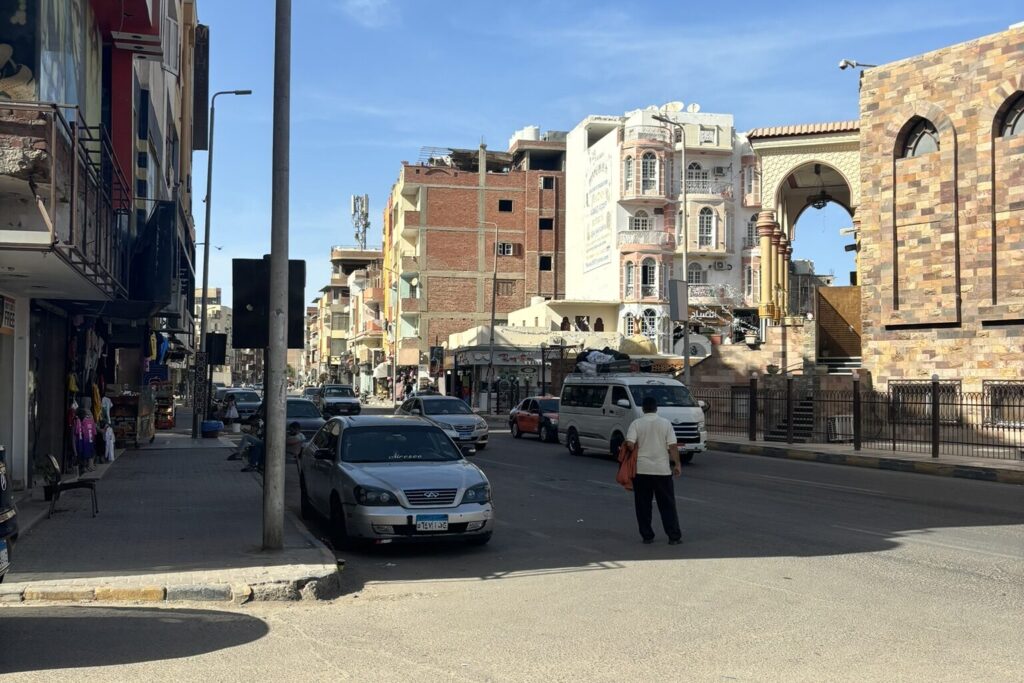
- Is the road you’re walking actually safe? Map apps show the shortest route — not necessarily the safest one.
You should also be careful about things like:
- Dark bathrooms
- Drinks given to you by strangers
- Incorrect charges on receipts
Drink spiking in clubs and nightlife areas is more common than many travelers think.
Never assume:
“It won’t happen to me.”
That mindset is dangerous.
8. Insurance

The People Without Insurance Always Seem to Need It Most
I constantly meet backpackers traveling without insurance.
I understand wanting to save money.
But somehow, those are always the people who end up having accidents.
I’ve met travelers who:
- Crashed on Uber motorbikes
- Broke their front teeth in bicycle accidents
- Broke ribs because objects fell on them
and ended up paying huge medical bills.
Personally, I’ve also relied on travel insurance many times.
In Egypt, I hit my head and needed a CT scan.
In Chile, I was bitten by a stray dog.
In Chile again, I was bitten or stung by something unknown and had to get injections at a hospital.
That’s why I genuinely believe travel insurance is essential.
The one I personally use is SafetyWing, which is very popular among backpackers and can be purchased completely online.
If you’re interested, here’s my referral link with a $20 bonus: SafetyWing Referral Link
Summary
Here’s a quick summary of the most important things to watch out for while traveling:
- Visas & electronic travel authorizations→ Some countries require visas even for airport transit.
- Proof of onward travel→ Immigration or airlines may require proof that you will leave the country.
- Passport stamps→ Always confirm your entry stamp and never use souvenir passport stamps.
- USD cash→ Keep emergency USD cash in case ATMs or exchange offices fail.
- ATMs→ Skimming, swallowed cards, and technical problems are surprisingly common.
- Data backup→ Back up not only photos, but also journals and personal memories.
- Staying alert in public→ Simple awareness often prevents serious problems.
- Insurance→ Travel insurance can save you from enormous medical expenses.
Travel is amazing.
But it’s not always carefree.
Sometimes, simply “not knowing” can lead to major trouble.
That’s why I hope this article helps you avoid at least some of the problems that many travelers face.
And most importantly, I hope you return home safely.