Are you wondering where to go on a road trip in Japan?
In this article, I’ll share recommended destinations and useful tips based on my own road trip experience across Northern Japan. I hope this guide helps you plan your journey.
Check my Northern Japan Road Trip Google Map with all recommended spots:
👉 Open the Map
Table of Contents
Introduction
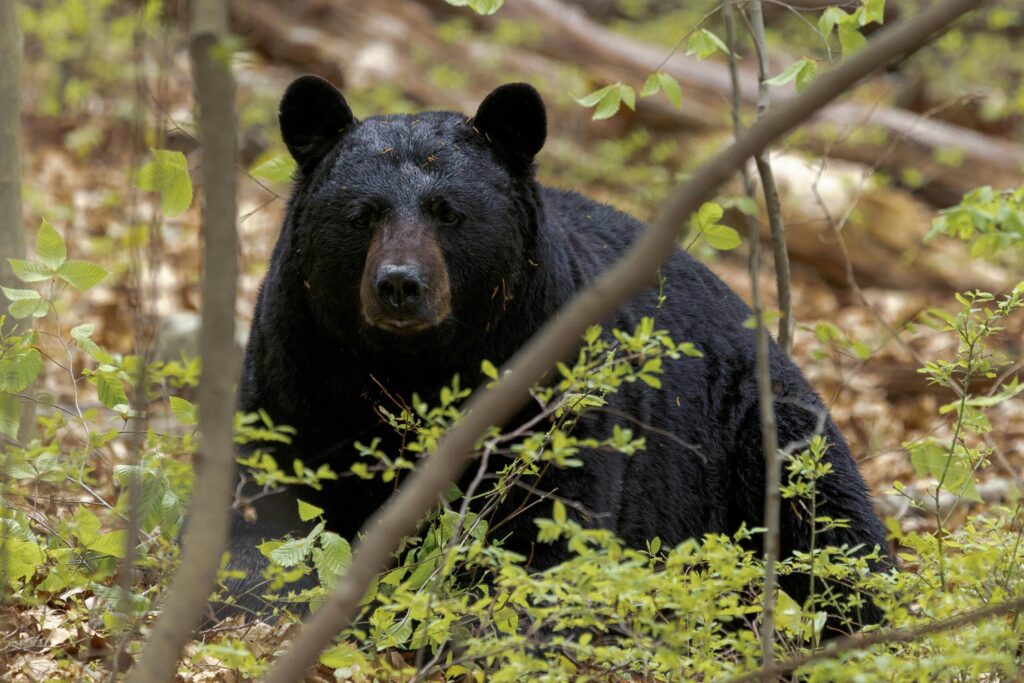
Japan is a mountainous country with countless beautiful hiking spots. However, in recent years, bear-related incidents have been increasing significantly. Encounters have occurred not only in the mountains but also in towns near forested areas. If you plan to hike, make sure to research the latest information and take proper precautions.
1. Nagano Prefecture
The first place I visited was Nagano Prefecture. Surrounded by mountains, it is a fantastic destination for hiking in summer and skiing or snowy landscapes in winter. Nagano is also famous for fruit farming, especially grapes and apples, as well as local wine production.
📍Nozawa Onsen
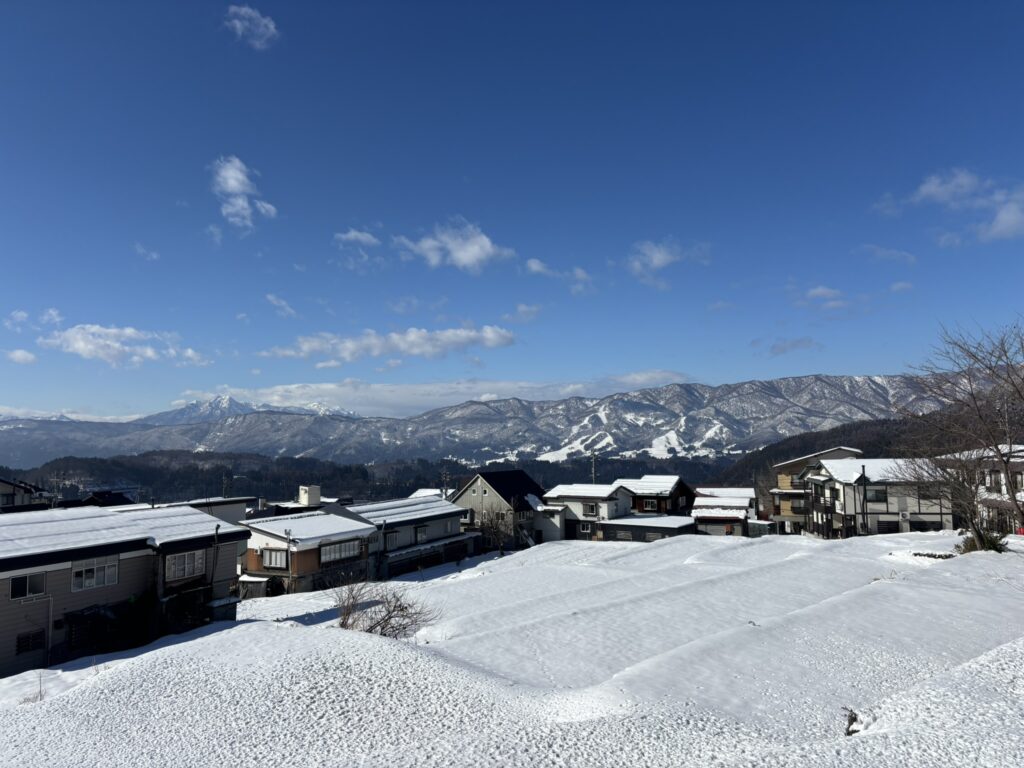
A small hot spring village with a ski resort. One of its most unique features is that all of the public bathhouses (onsen) in the village are free to enter (tattoo-friendly).
📍Togakushi Shrine
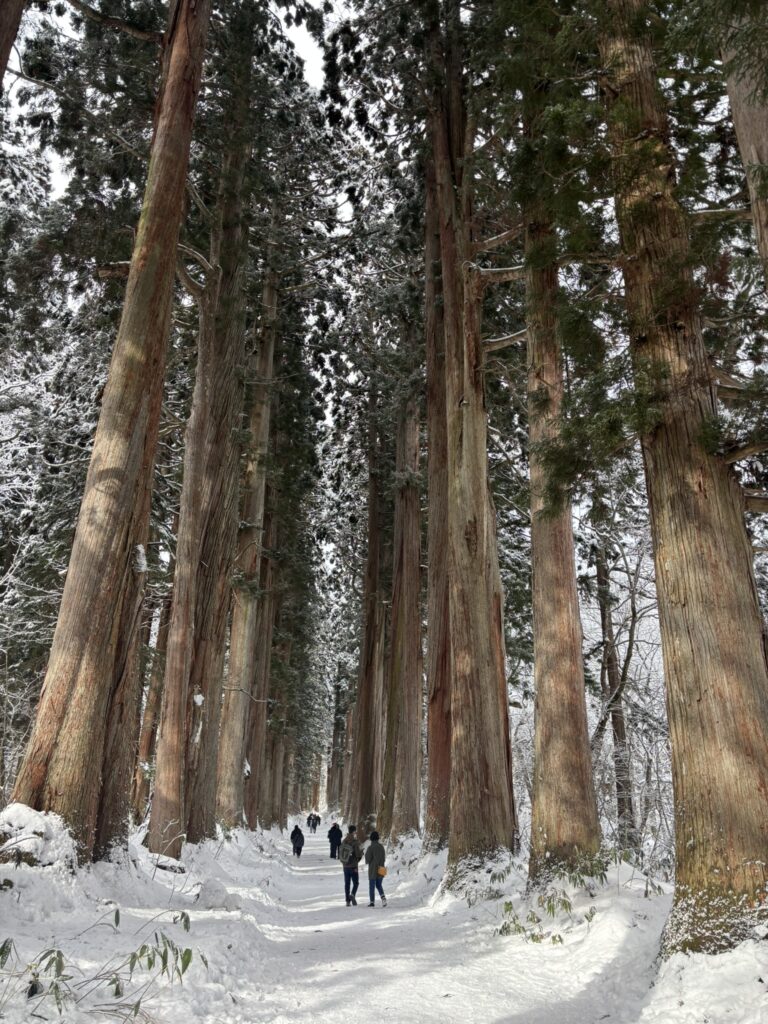
A historic shrine with over 2,000 years of history. The approach to the shrine is lined with giant cedar trees over 400 years old, creating a mystical atmosphere.
📍Snow Monkey Park
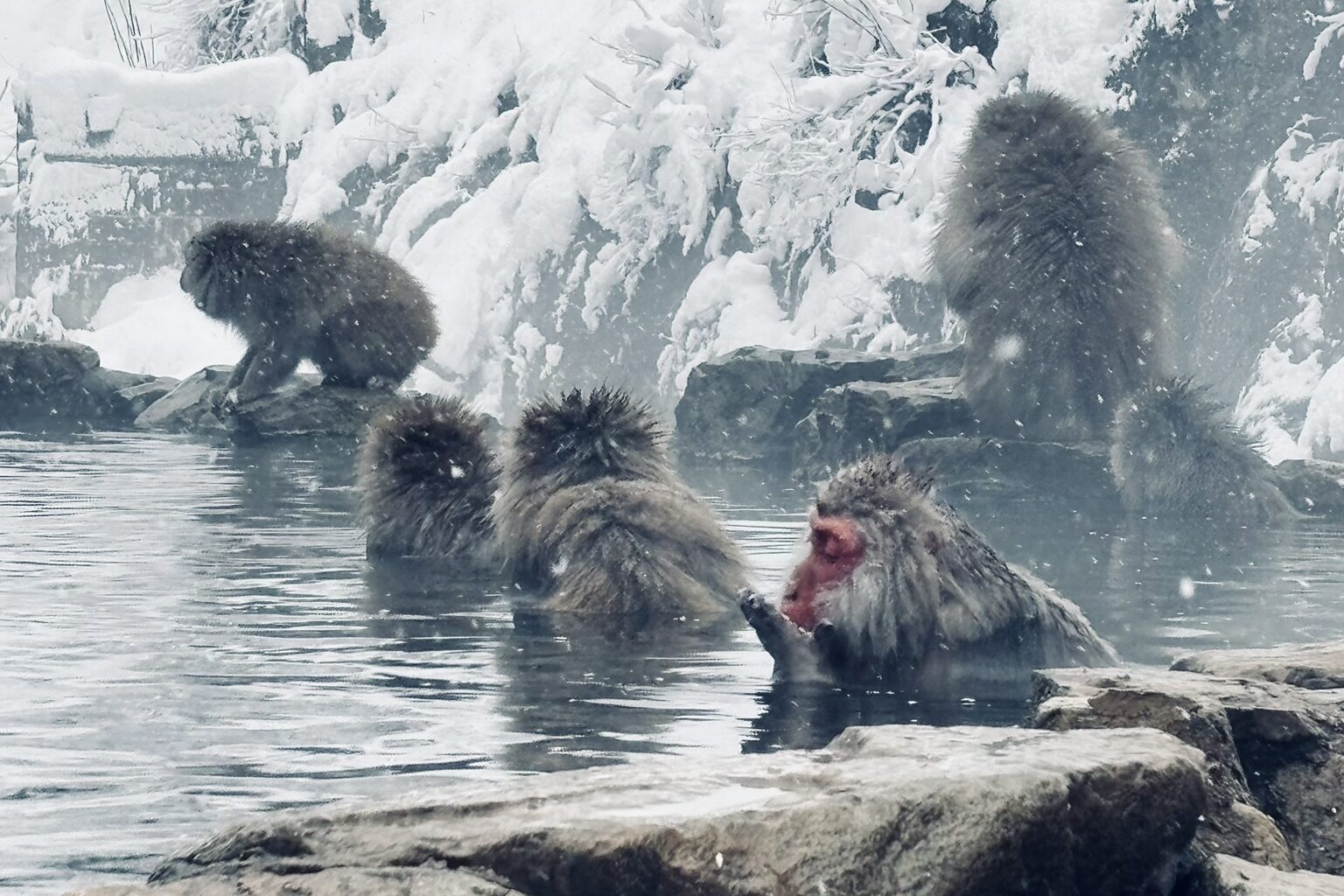
A famous spot where you can see monkeys bathing in hot springs. Winter is the best season to visit, but it gets extremely crowded, so arriving early in the morning is highly recommended. You’ll need to walk about 30 minutes from the parking area, but the scenery along the trail is beautiful.
📍Karuizawa
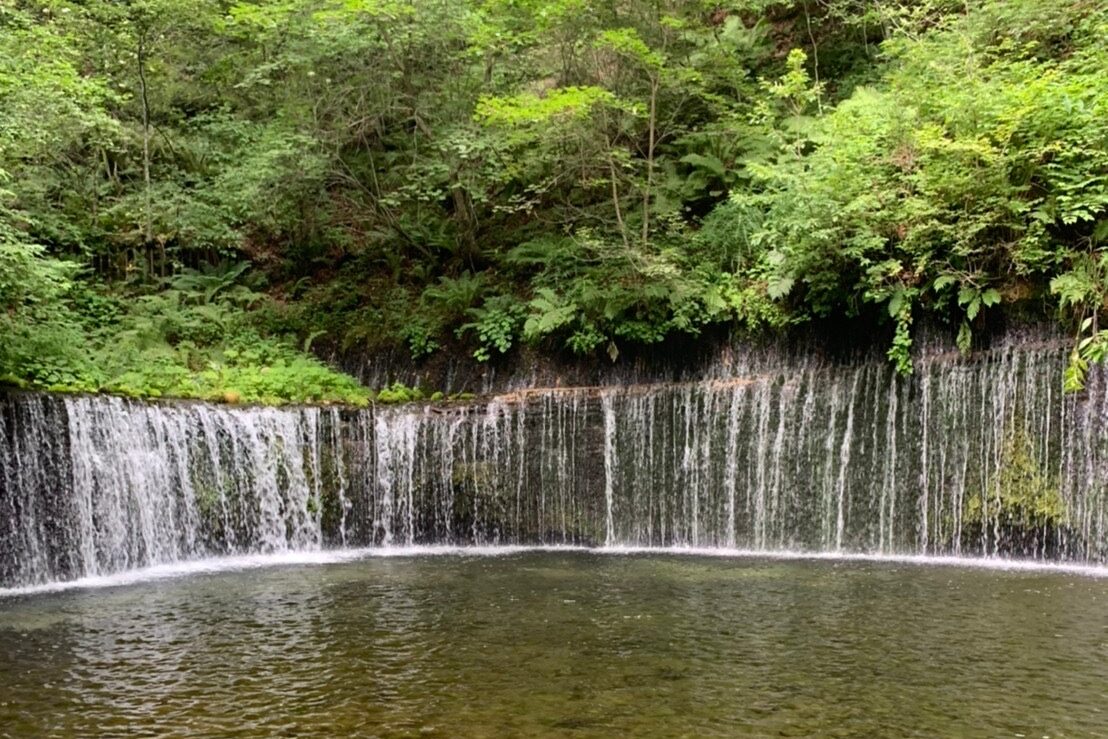
One of Japan’s most famous summer resorts. It is known for its outlet shopping mall, stylish cafés, and attractions such as Shiraito Falls. Summer is the best time to visit.
📍Venus Line
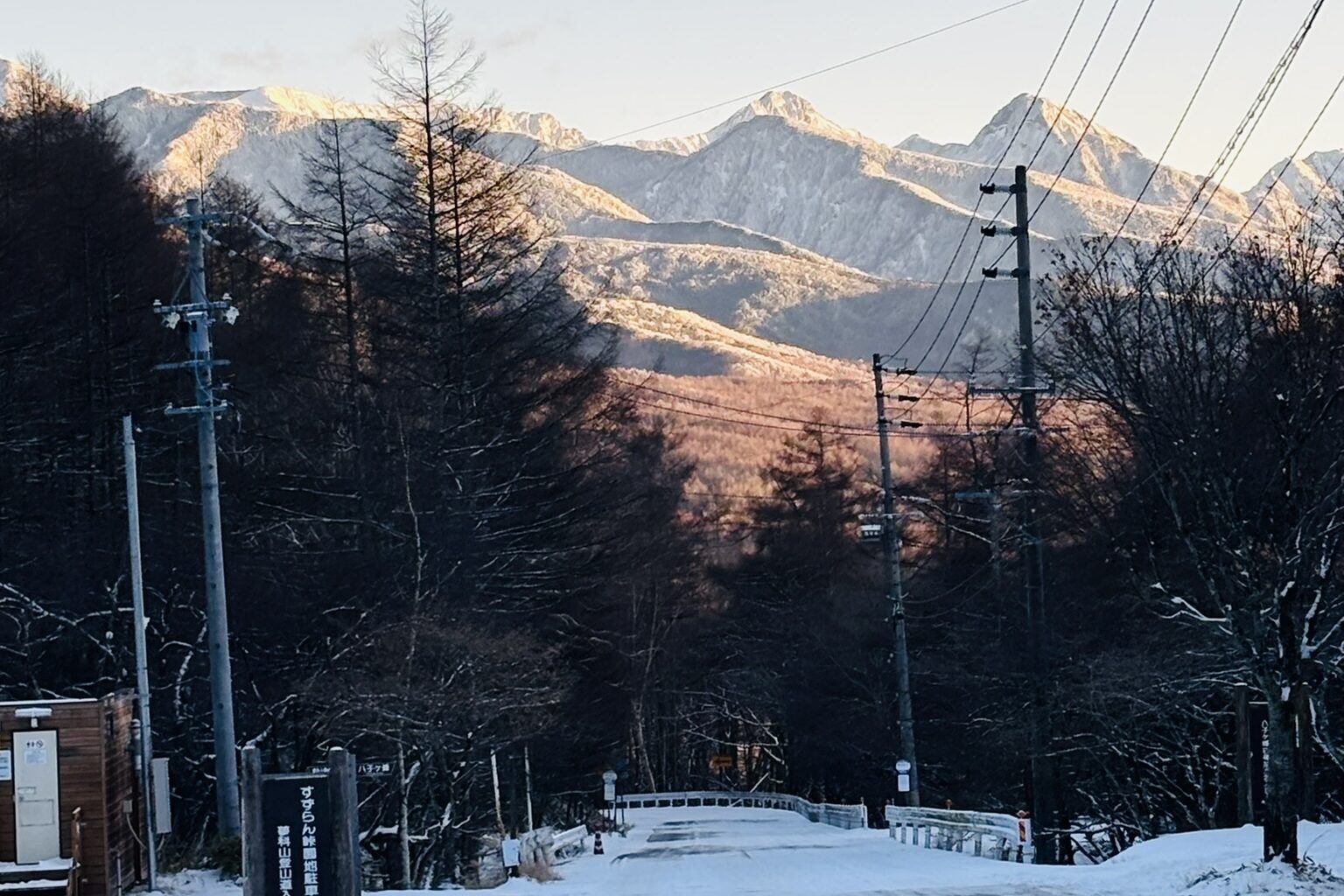
A scenic mountain road connecting Tateshina and Utsukushigahara. The panoramic views of mountains and lakes make it one of the best driving routes in Japan.
📍Kurumayama Highlands
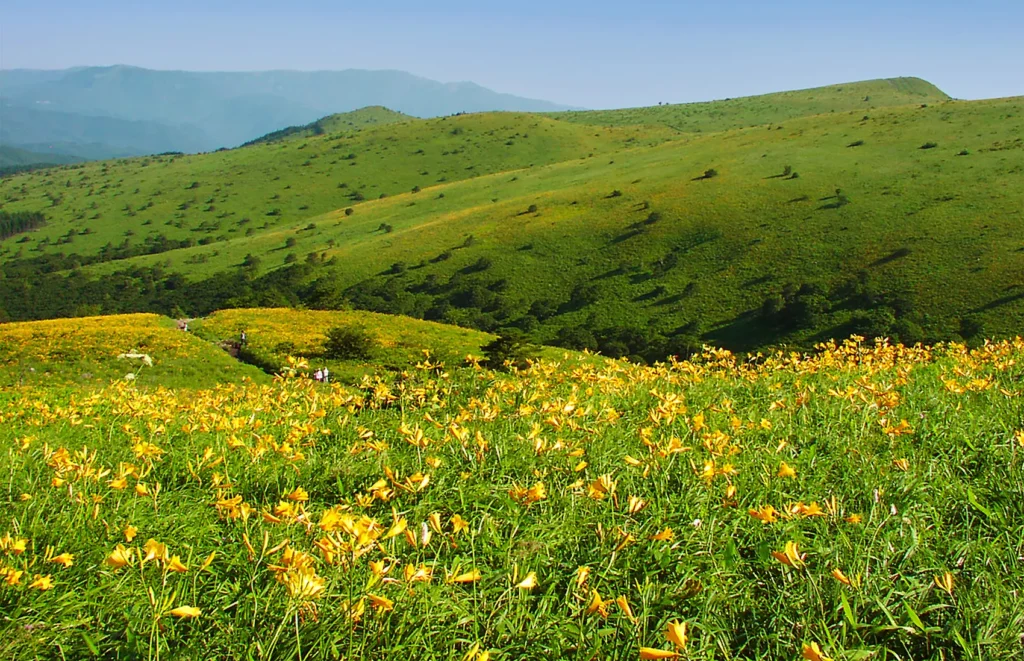
A highland area around Mount Kuruma, the highest peak of Kirigamine. Hiking is popular in summer, while skiing attracts visitors in winter.
📍Kamikochi
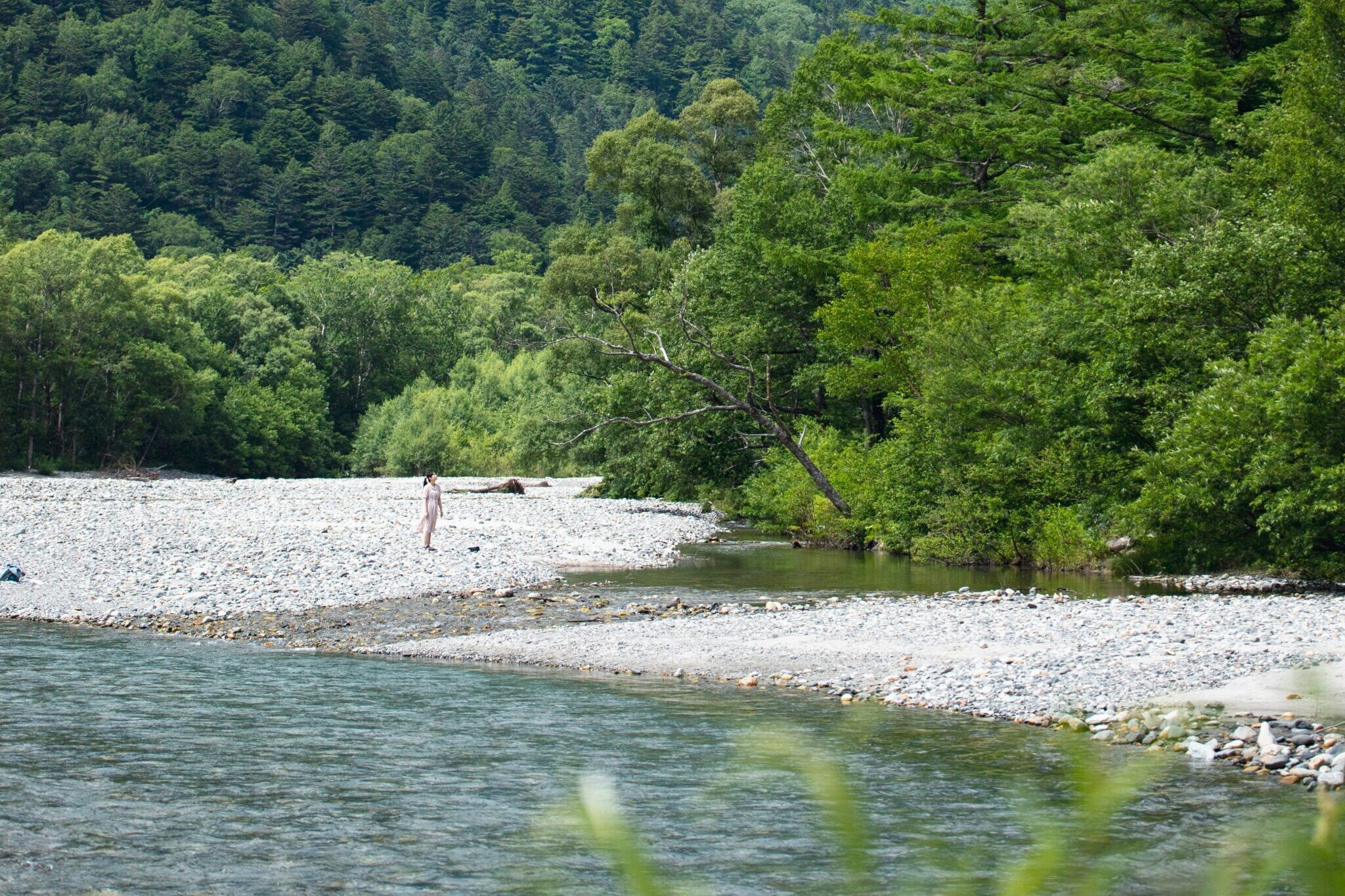
One of my personal favorite places in Japan. The contrast between the emerald-green river and the Northern Alps is breathtaking. Popular activities include walking around Kappa Bridge and hiking to Taisho Pond and Myojin Pond.
📍Norikura Highlands
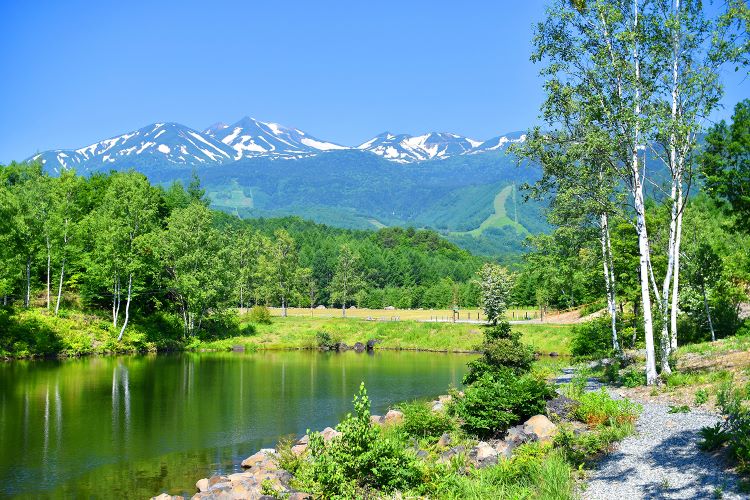
A highland area with access to Tatamidaira at an altitude of around 2,700 meters. It is famous for alpine flowers and excellent hiking trails.
📍Azumino
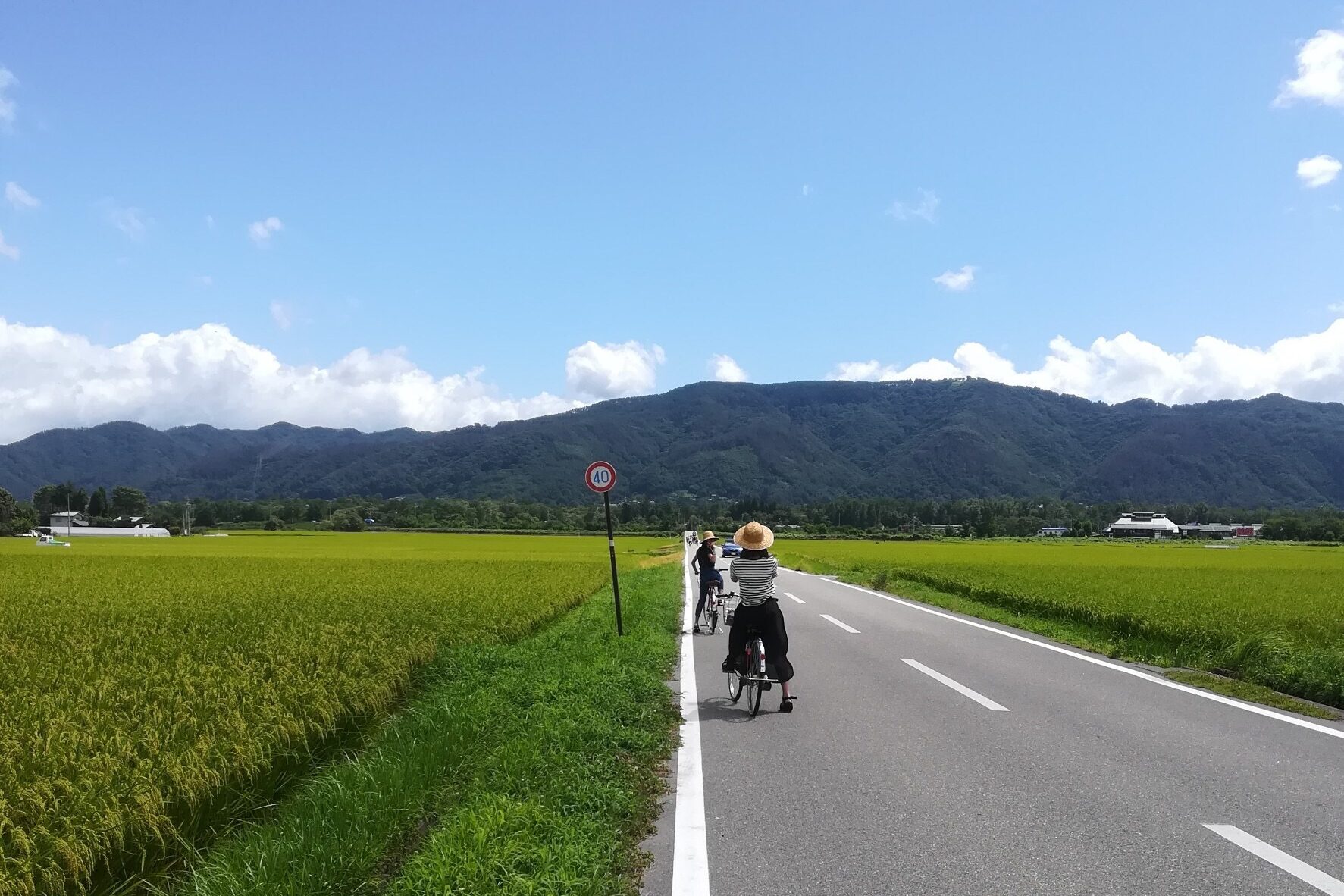
A peaceful area perfect for cycling while enjoying views of the mountains. Winery tours are also popular here.
📍Happo-One Nature Trail
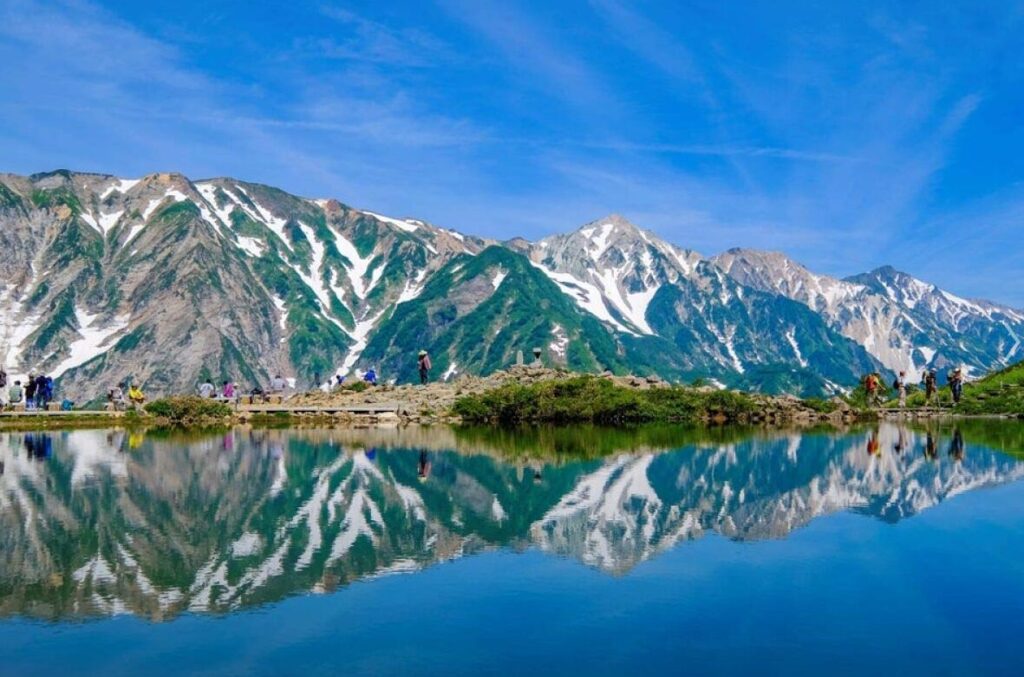
A trekking course leading from the end of the Happo Alpine Line to Happo Pond. It offers spectacular views of the Northern Alps. However, bear sightings have increased in recent years, so caution is necessary.
📍Narai-juku & Tsumago-juku
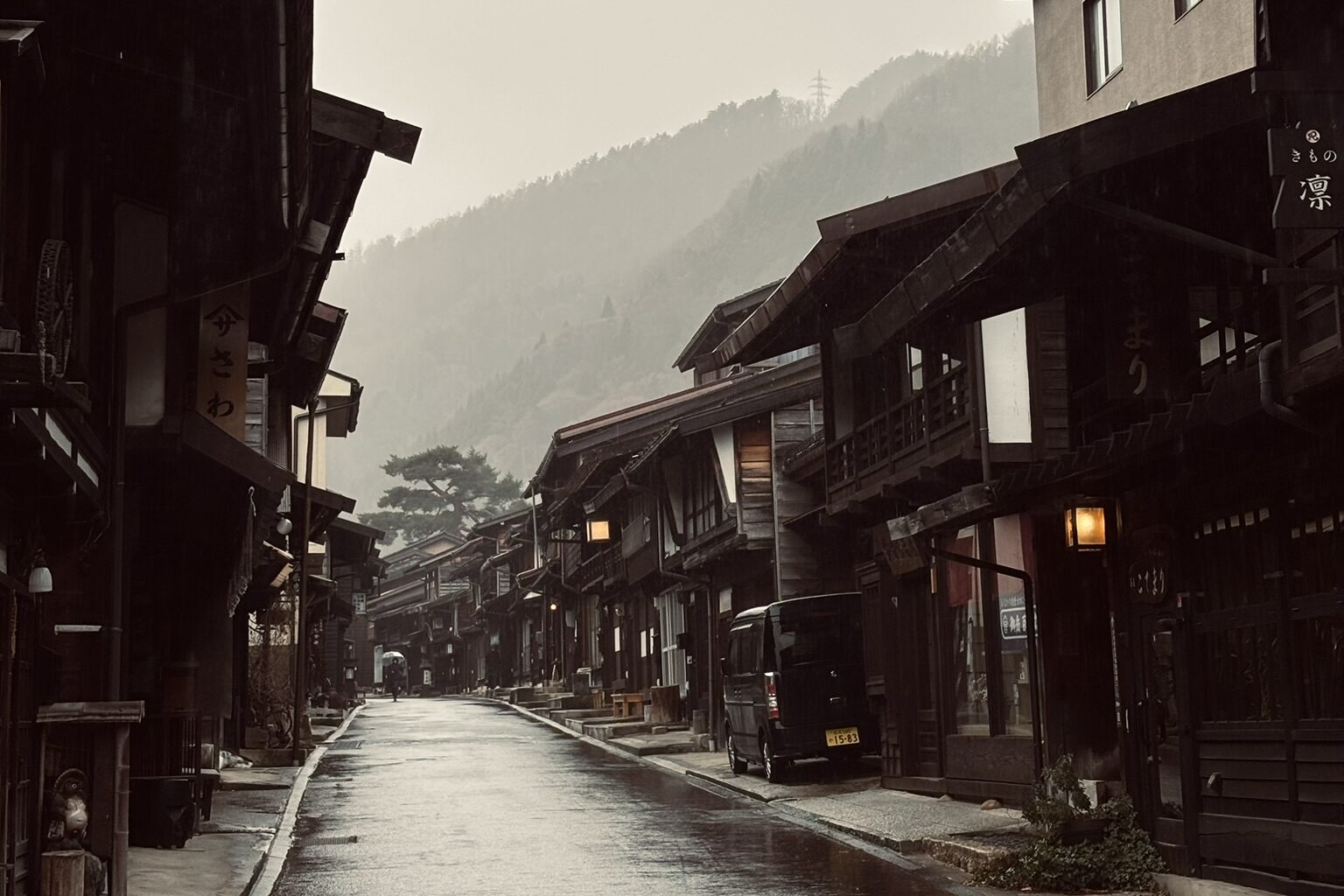
Historic post towns that preserve the atmosphere of old Japan from the Edo period.
2. Toyama Prefecture
Next, I visited Toyama Prefecture, famous for the 3,000-meter-class Tateyama mountain range and incredible seafood.
📍Tateyama Kurobe Alpine Route
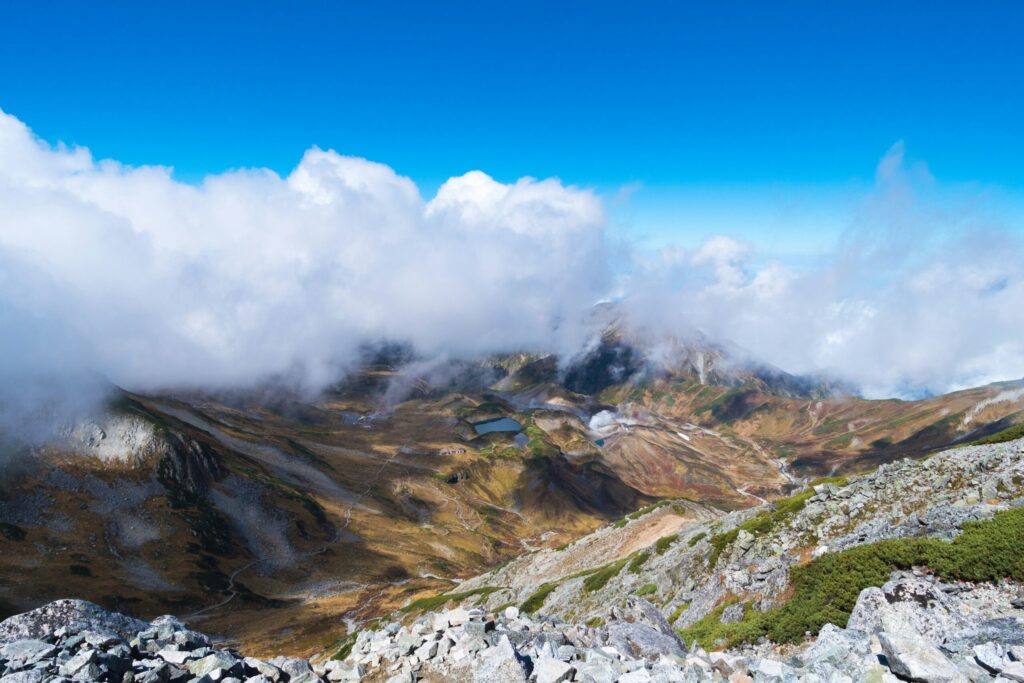
A world-famous mountain route through the Northern Alps. Visitors can enjoy spectacular scenery while riding ropeways and other mountain transportation. Ticket prices are relatively expensive, and it can get crowded with tourists.
📍Amaharashi Coast
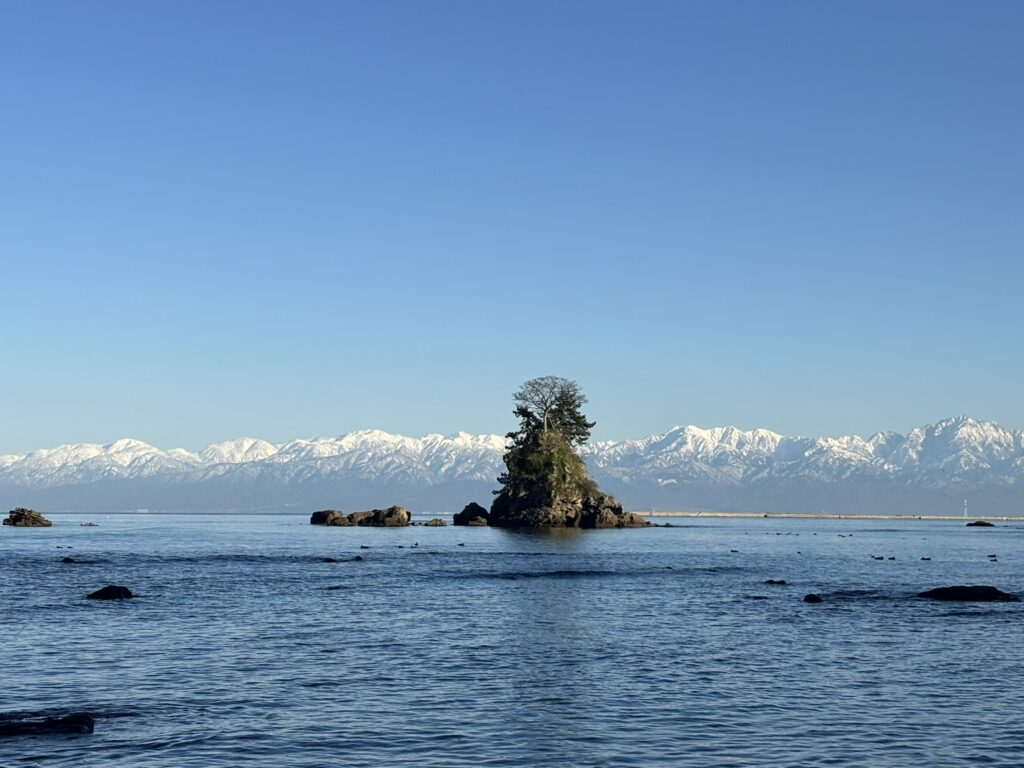
A scenic coastline where you can see the Tateyama Mountains rising behind the sea. The contrast between the mountains and the red train passing along the coast is especially famous among photographers. Note that trains only pass a few times per hour, and parking space is limited.
📍Shogawa Gorge
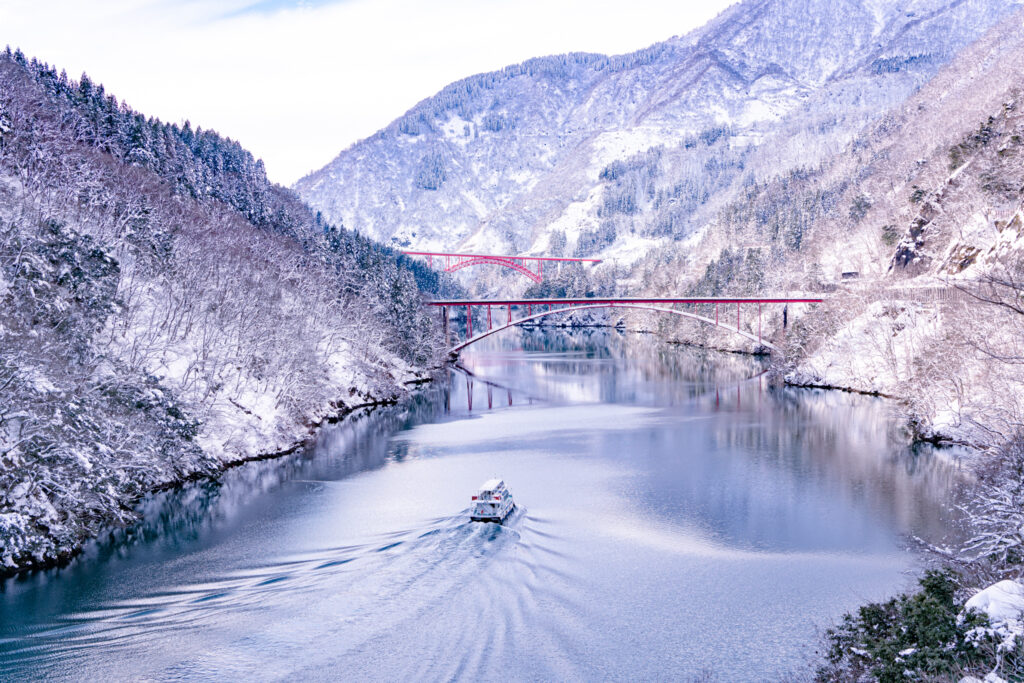
A beautiful gorge known for its seasonal scenery. Boat cruises are especially popular during autumn foliage season. To photograph the sightseeing boats from above, park near the bridge and walk to the center of it.
3. Gifu Prefecture
Gifu Prefecture is home to the UNESCO World Heritage village of Shirakawa-go, the charming old town of Hida Takayama, and Gero Onsen, one of Japan’s three famous hot springs.
📍Shirakawa-go
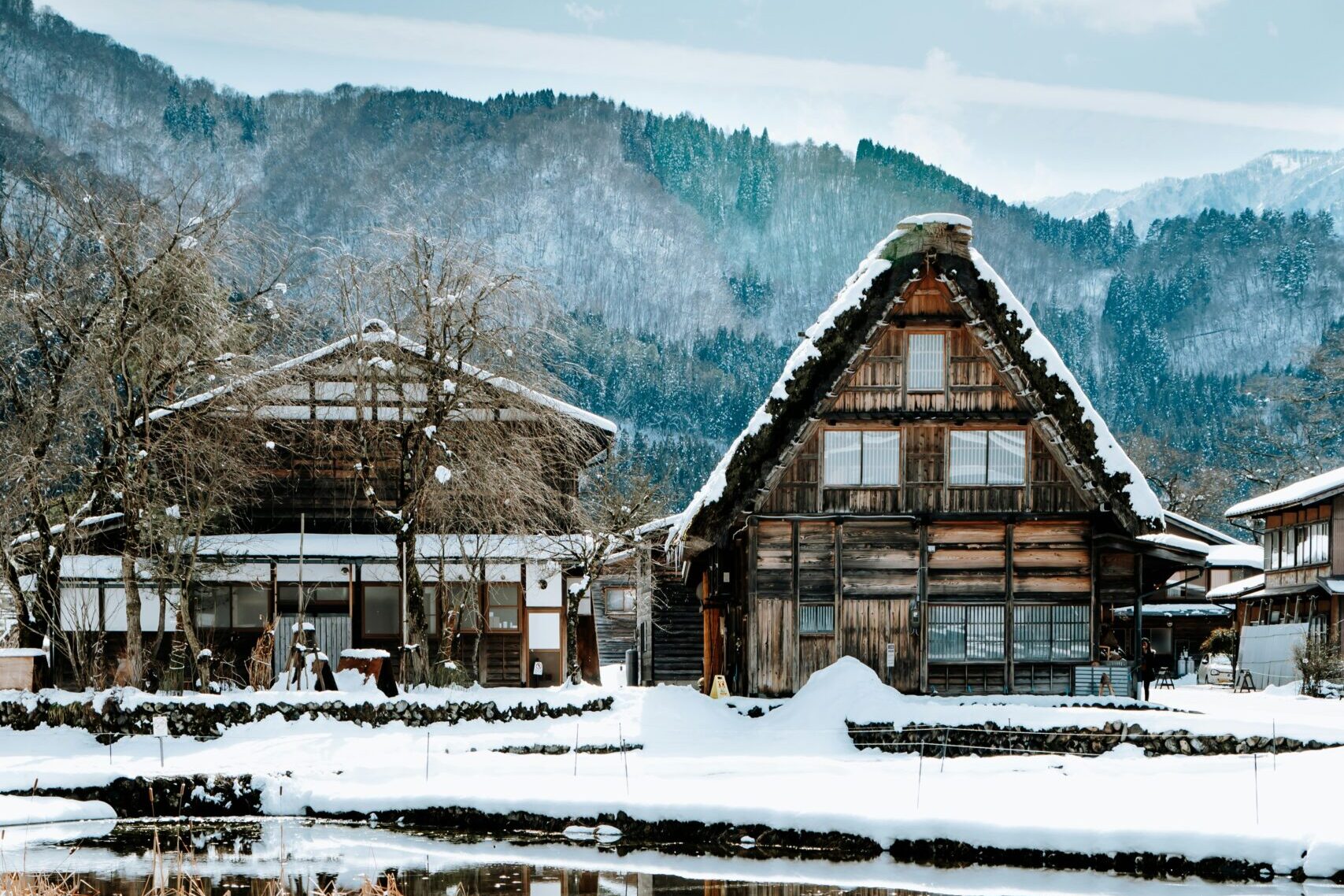
A UNESCO World Heritage site famous for its traditional gassho-zukuri farmhouses. People still live there today, making it a rare cultural landscape. However, it has become extremely crowded due to its popularity. Parking fees are around 2,000 yen and may increase during peak seasons.
📍Gero Onsen
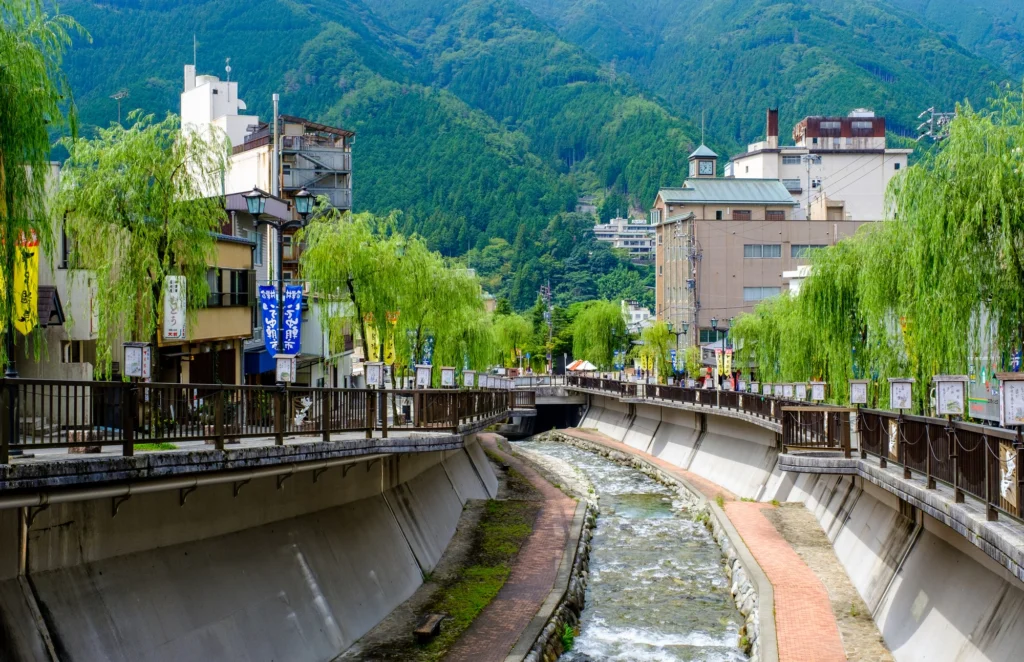
One of Japan’s three most famous hot spring towns. Walking around the town while enjoying local food and foot baths is highly recommended.
4. Yamagata Prefecture
Yamagata is known for cherries, Yonezawa beef, and abundant hot springs throughout the prefecture.
📍Zao
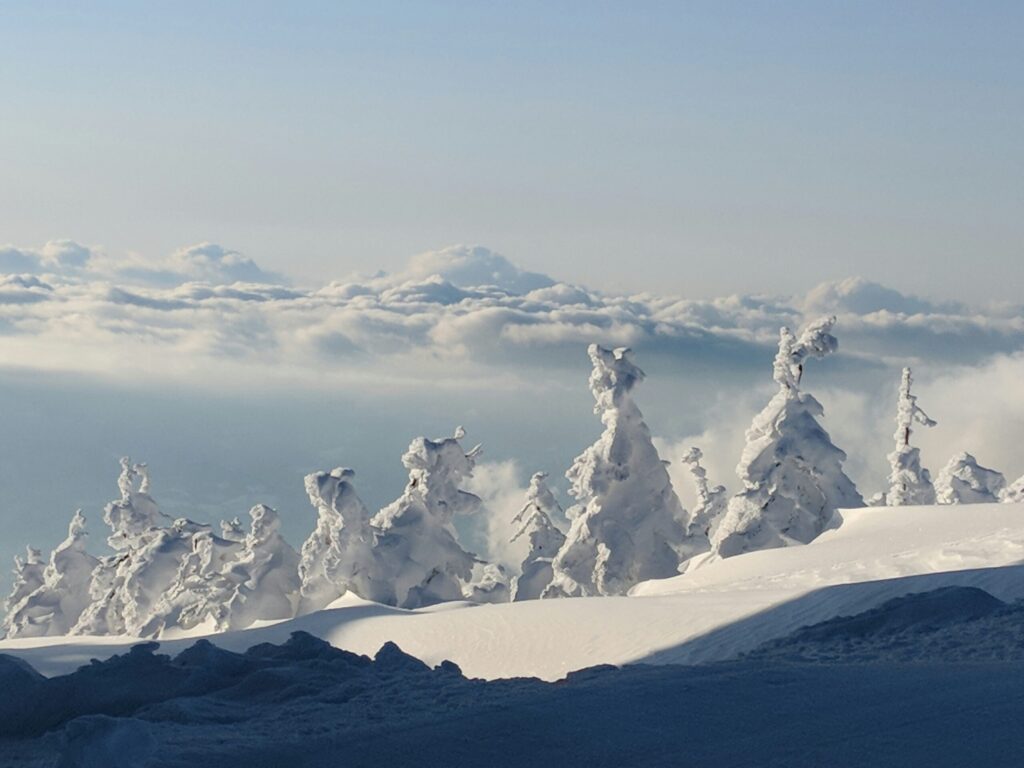
One of Japan’s most famous ski resorts. It is especially known for its “Snow Monsters,” trees covered in ice and snow that create surreal winter scenery. The nighttime illumination is magical.
📍Ginzan Onsen
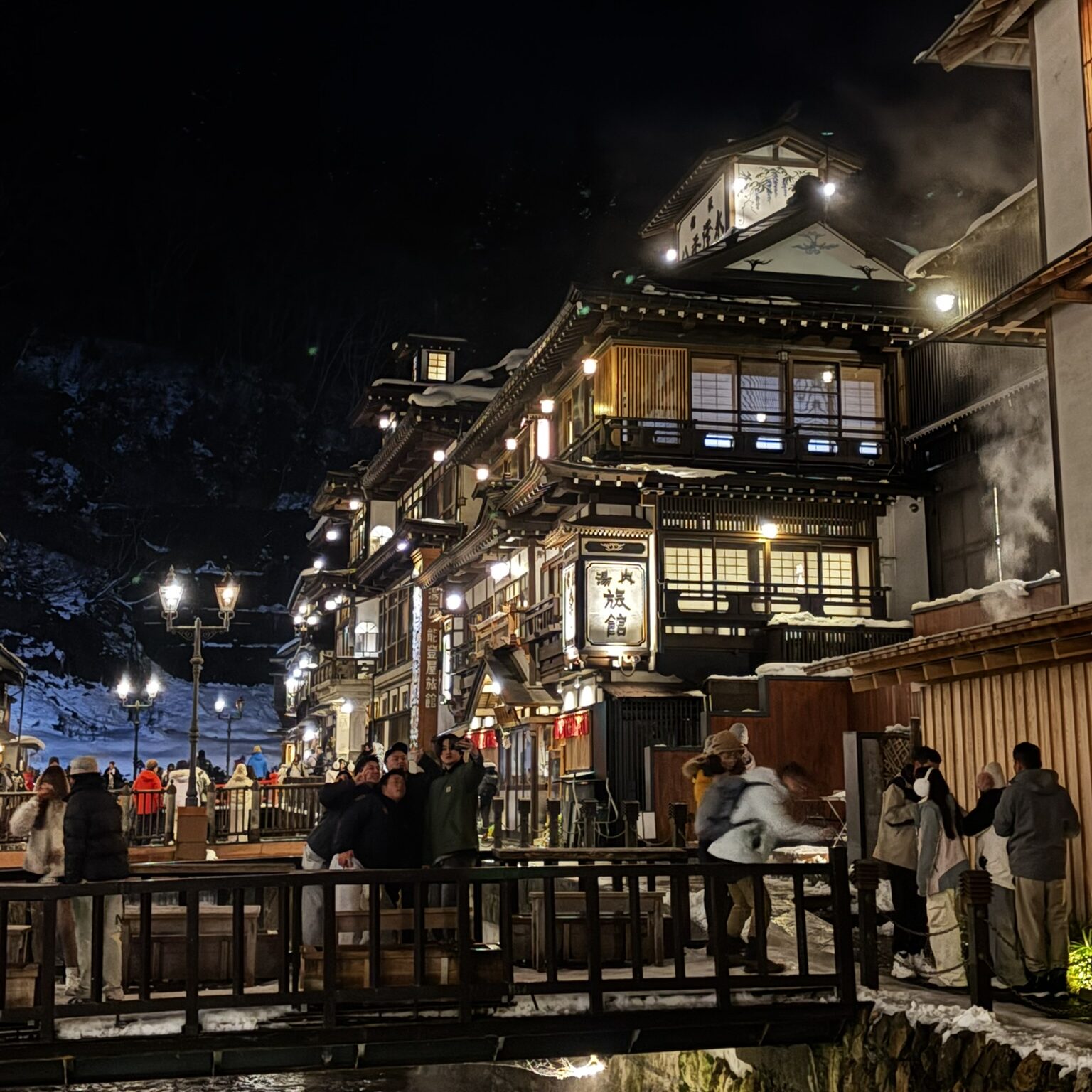
A nostalgic hot spring town with Taisho-era architecture. The gas lamps glowing at night create a dreamlike atmosphere reminiscent of the movie Spirited Away. Due to its popularity, booking accommodation well in advance is essential. Because of traffic restrictions, visitors usually need to park at the Taisho Romankan parking area and take a shuttle bus to the hot spring town.
5. Akita Prefecture
Akita has preserved many traditional customs and festivals, including Namahage and the Akita Kanto Festival. It is also the birthplace of the Akita dog.
📍Kakunodate Samurai District
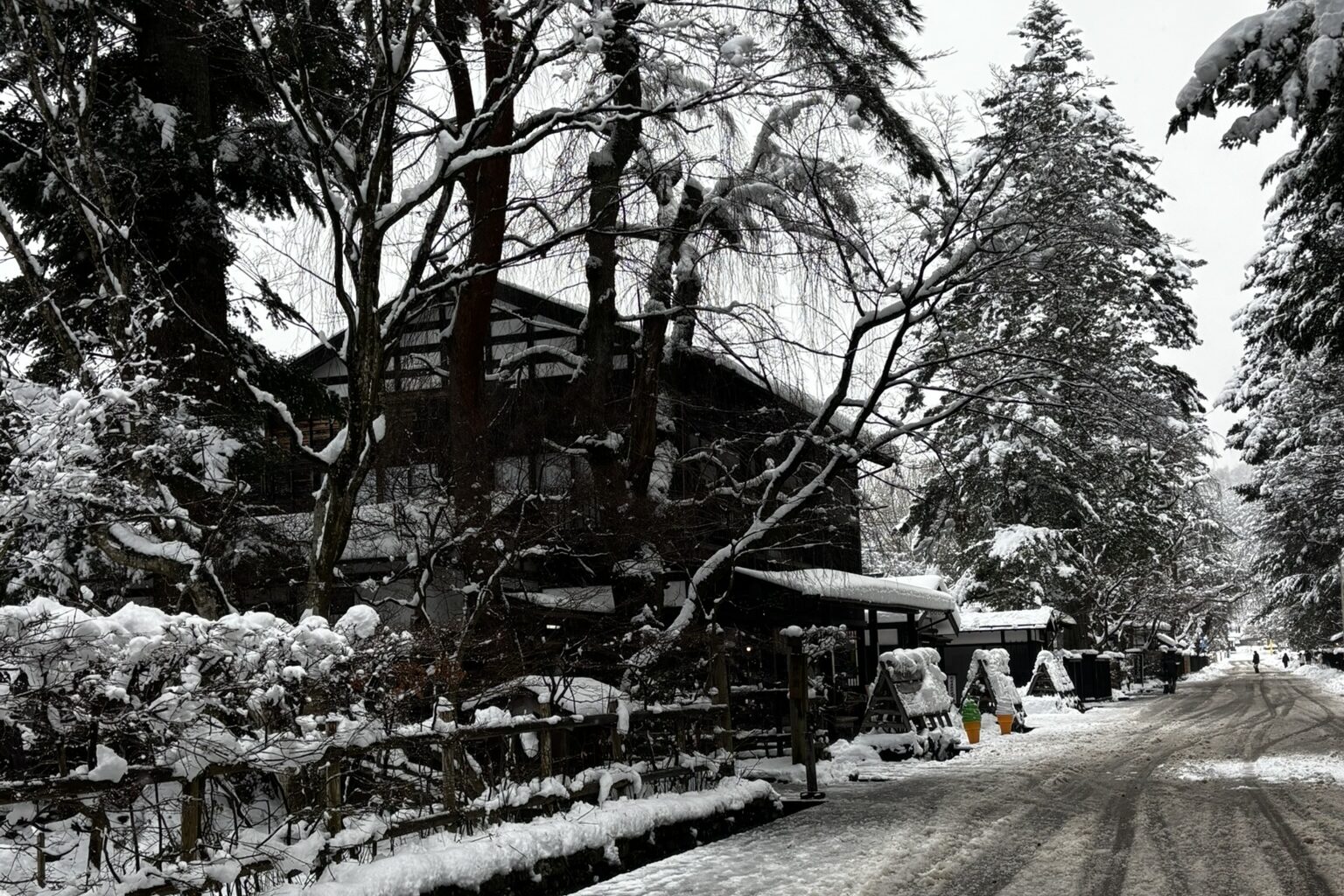
A historic district with preserved samurai residences from the Edo period. Compared to other tourist destinations, it is relatively quiet and relaxing.
📍Namahage Museum
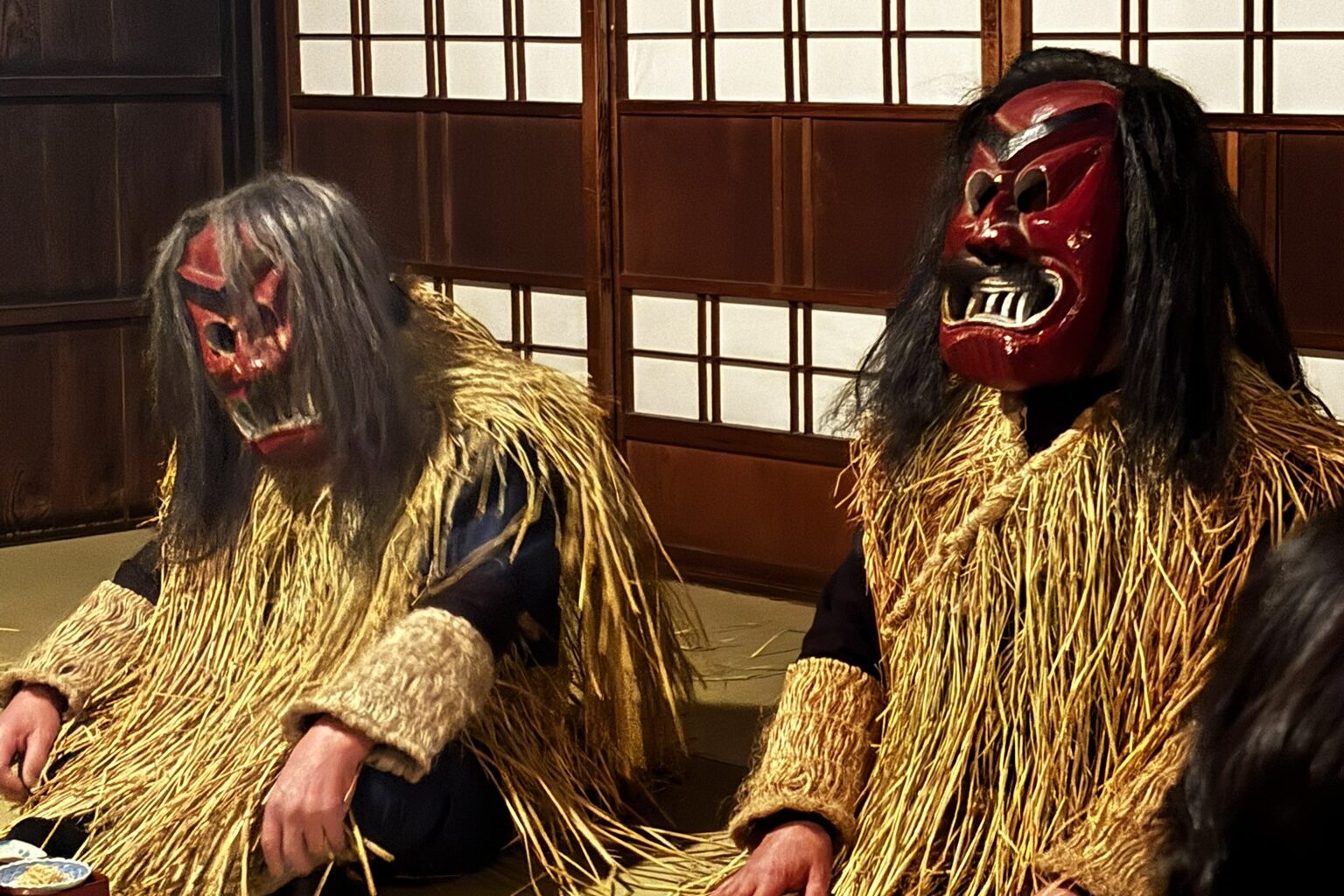
A museum introducing the traditional Namahage ritual from the Oga Peninsula. The exhibits and live performances are powerful and entertaining. Foreign visitors can borrow multilingual tablets for free.
📍Shirakami-Sanchi
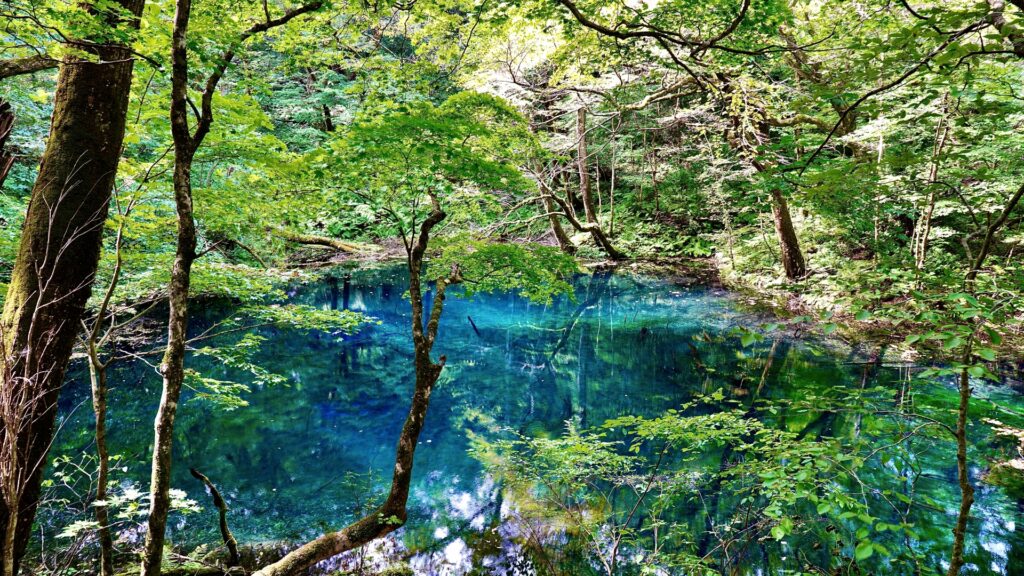
A UNESCO World Natural Heritage site famous for its untouched beech forests. Highly recommended for trekking enthusiasts.
6. Aomori Prefecture
Aomori is Japan’s number one apple-producing region and is famous for apple-based sweets and drinks. The Aomori Nebuta Festival attracts visitors from all over Japan every summer.
📍Hirosaki Castle
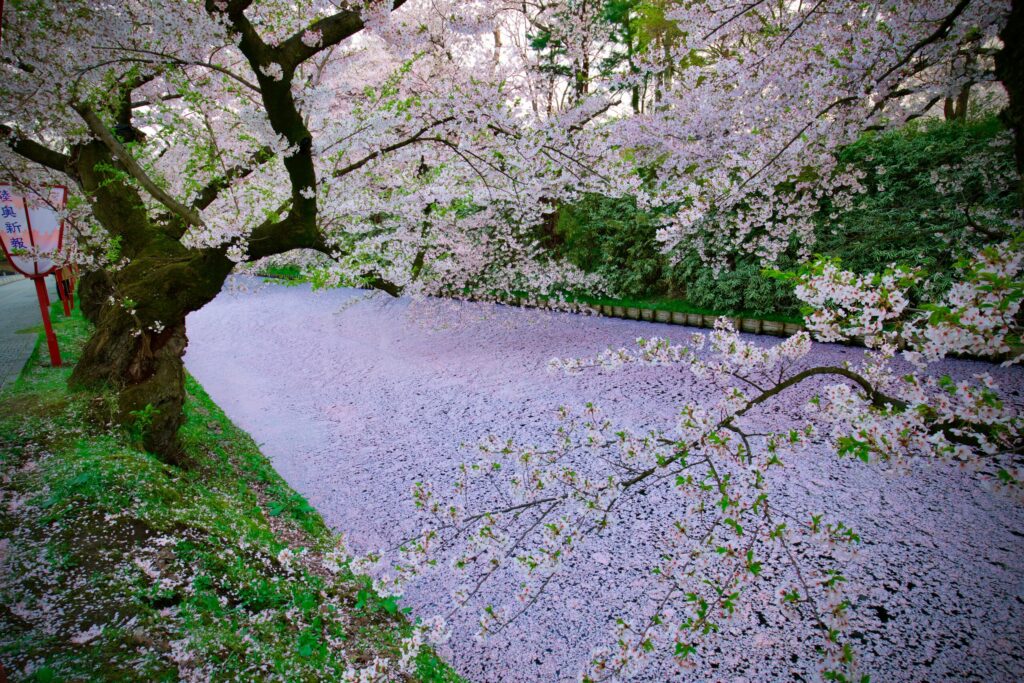
A historic castle with an original castle tower. It is especially famous for cherry blossoms and hosts one of Japan’s most famous cherry blossom festivals every spring.
📍Aomori Nebuta Festival
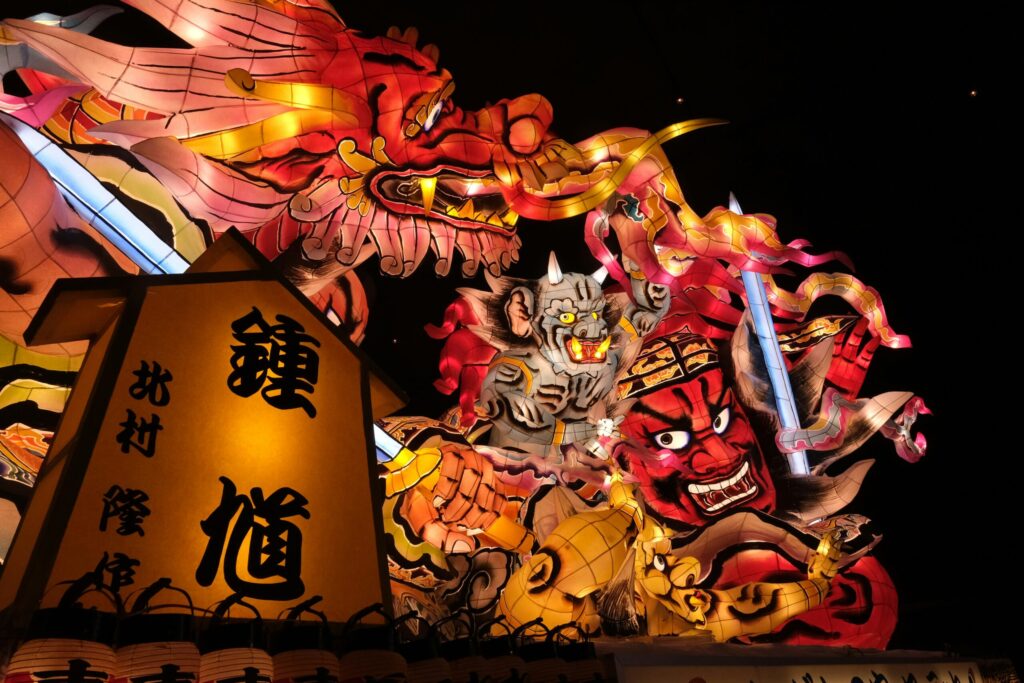
One of Japan’s most spectacular fire festivals, featuring giant illuminated floats called “Nebuta.” The festival is held every year from August 2 to August 7 in Aomori City. While paid seating is available, I highly recommend participating rather than just watching. Anyone can join the dancers by renting a costume.
📍Stove Train
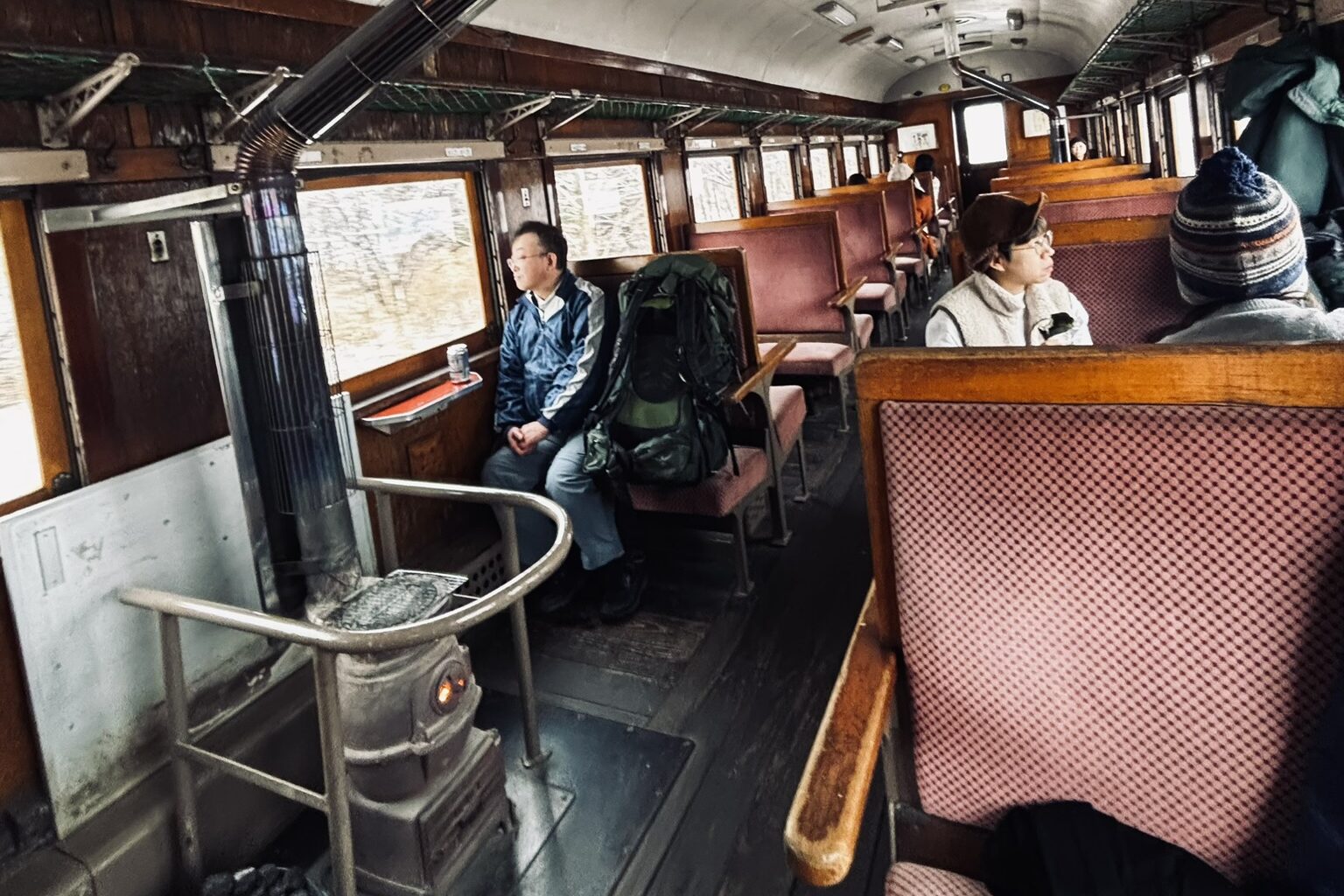
A winter-only sightseeing train featuring traditional coal stoves inside the carriages. Enjoy snowy landscapes with local sake while warming yourself by the stove. Note that tickets may require cash payment. You can also buy dried squid on board, which staff will grill on the stove for you.
7. Iwate Prefecture
Iwate is rich in nature, from the wetlands of Hachimantai to the dramatic cliffs along the Rikuchu Coast.
📍Chuson-ji Temple
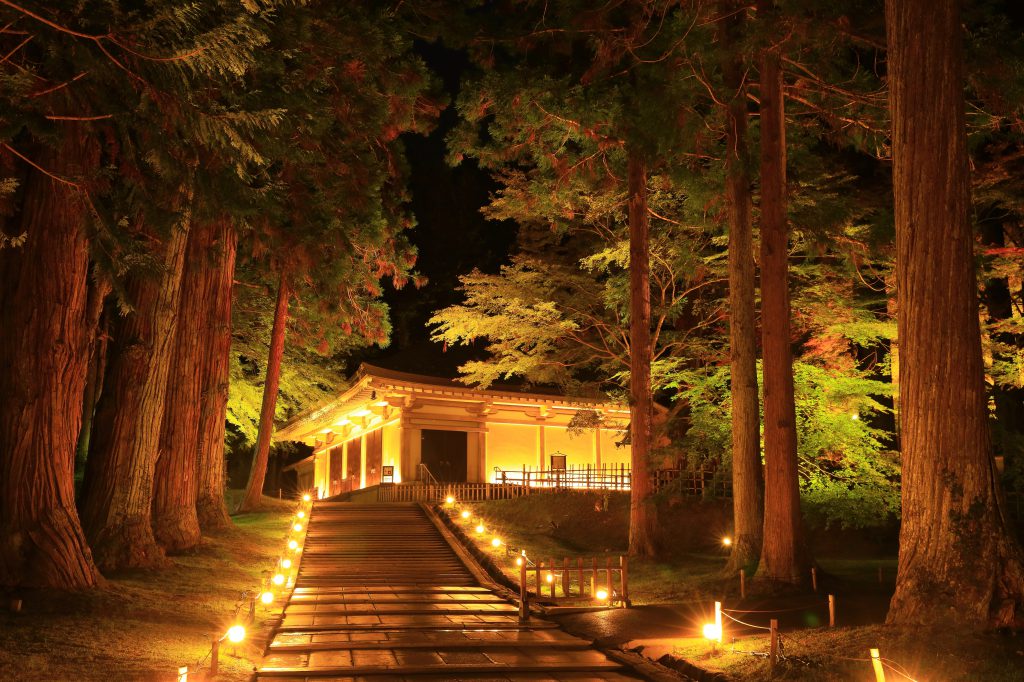
A historic temple famous for Konjikido, a hall covered in gold leaf. The peaceful approach through the forest becomes especially atmospheric in the early morning mist.
📍Ryusendo Cave
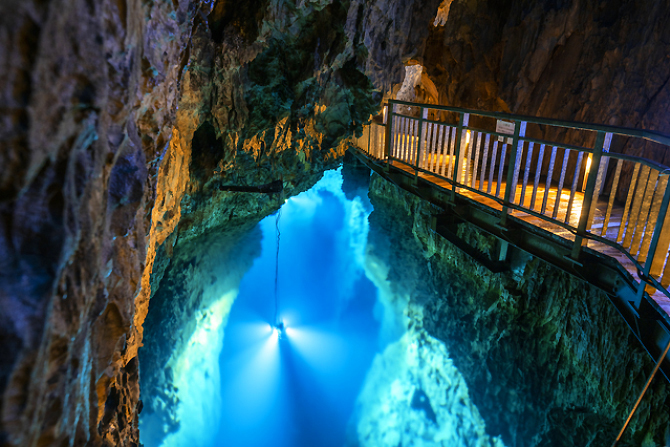
One of Japan’s most famous limestone caves, known for its crystal-clear underground lakes. The cave stays cool year-round, making it a great summer destination.
📍Geibikei Gorge
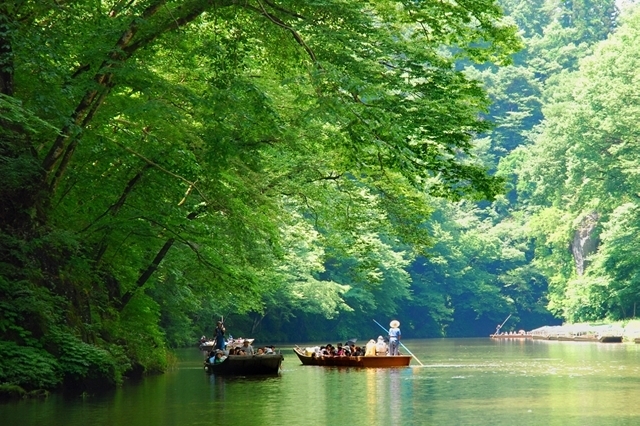
A beautiful gorge with cliffs rising over 100 meters high. The highlight is a traditional 90-minute boat ride through the valley while listening to songs sung by the boatman.
8. Miyagi Prefecture
Miyagi is famous for Matsushima, grilled beef tongue, and zunda mochi, a sweet made from mashed edamame.
📍Matsushima
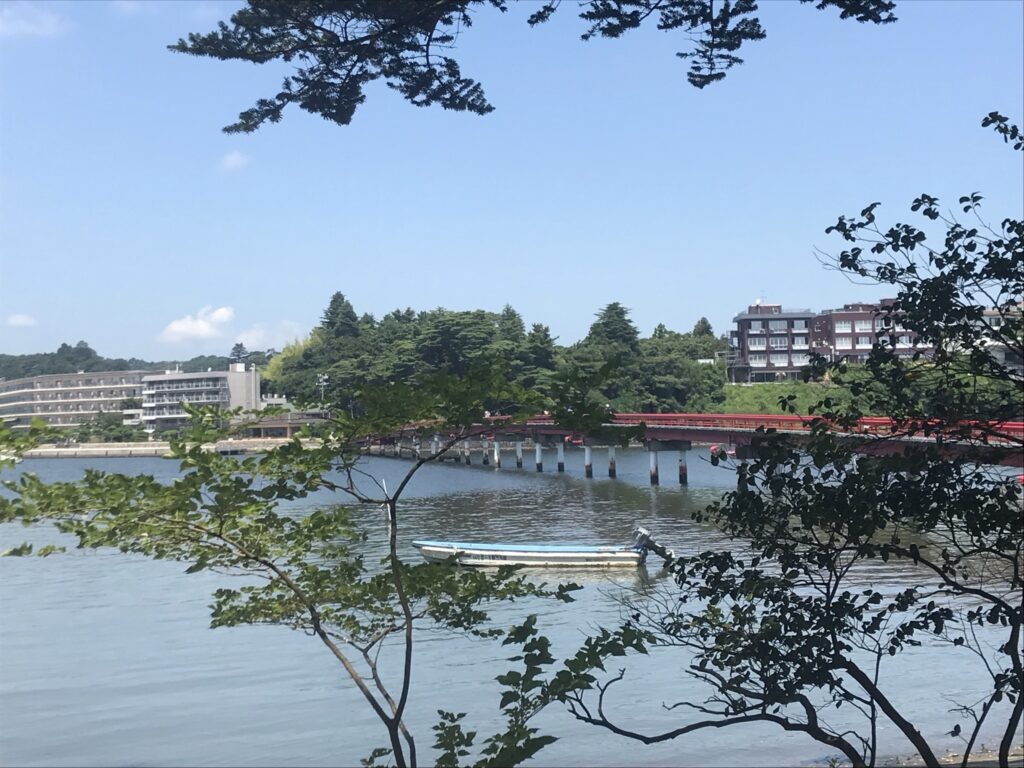
One of Japan’s Three Scenic Views. More than 260 small islands are scattered across the bay, creating beautiful coastal scenery. Boat cruises and fresh seafood, especially oysters, are popular attractions.
9. Fukushima Prefecture
Fukushima is blessed with beautiful nature, including Mount Bandai, the colorful Goshikinuma ponds, and Lake Inawashiro. It is also famous for Kitakata ramen.
📍Tsuruga Castle
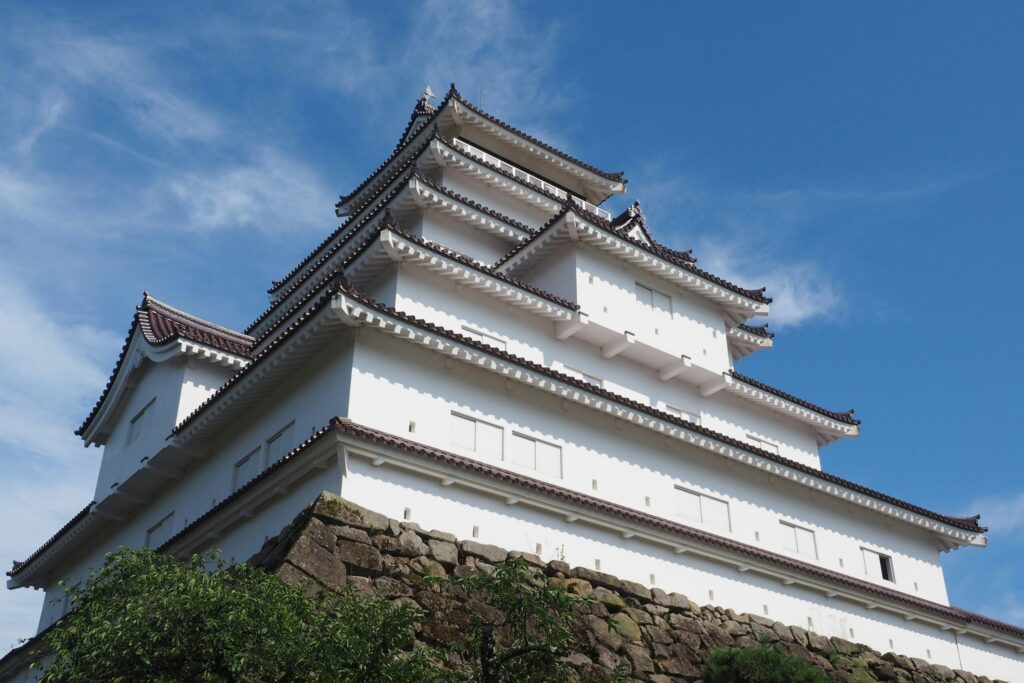
A beautiful castle known for its distinctive red roof tiles. Each season offers different scenery, from cherry blossoms to snowy landscapes.
📍Ouchi-juku
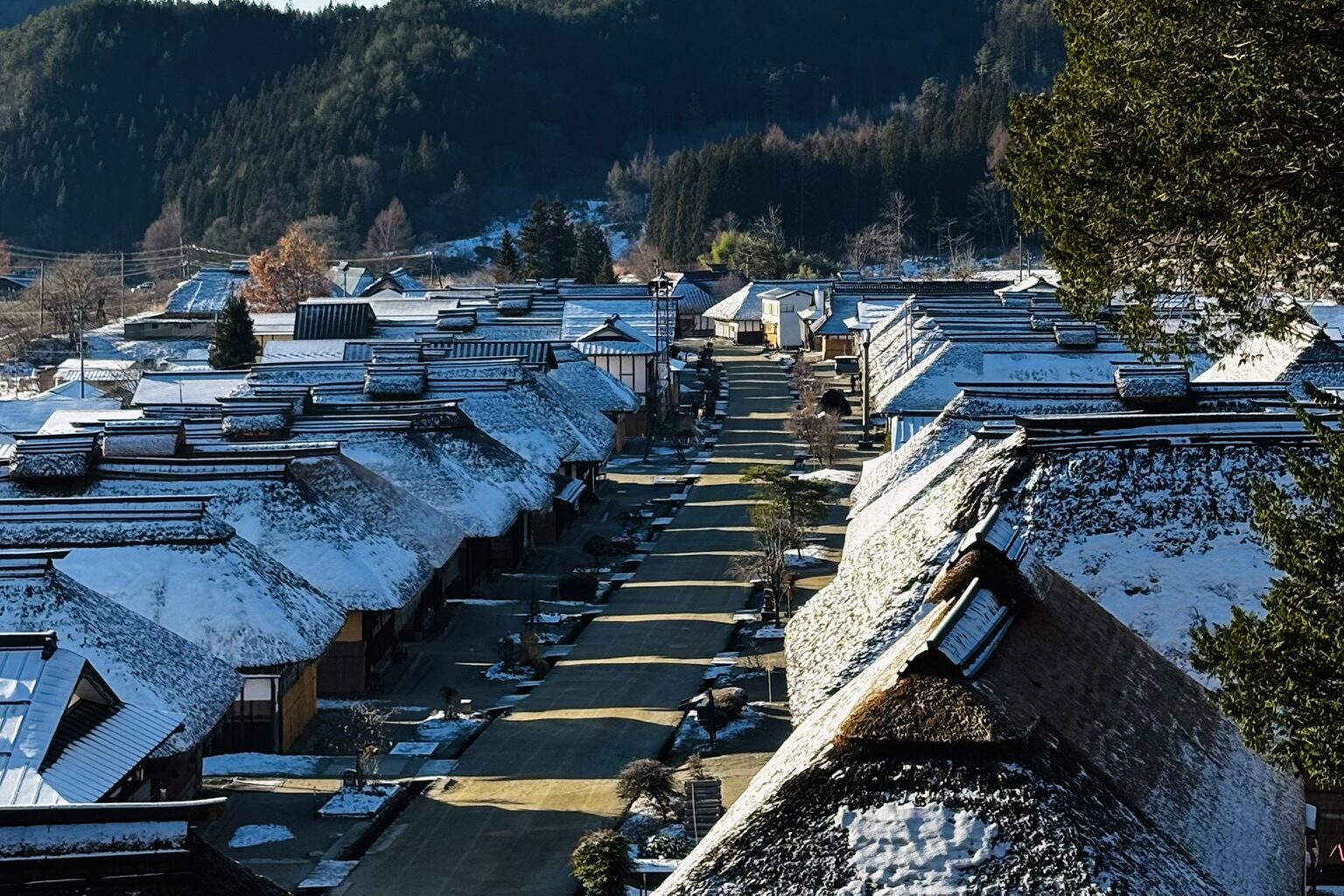
A preserved Edo-period post town with traditional thatched-roof houses. Compared to other historic villages, it feels quieter and less crowded. Free parking is also available. The local specialty, “negi soba,” is highly recommended.
📍Goshikinuma Ponds
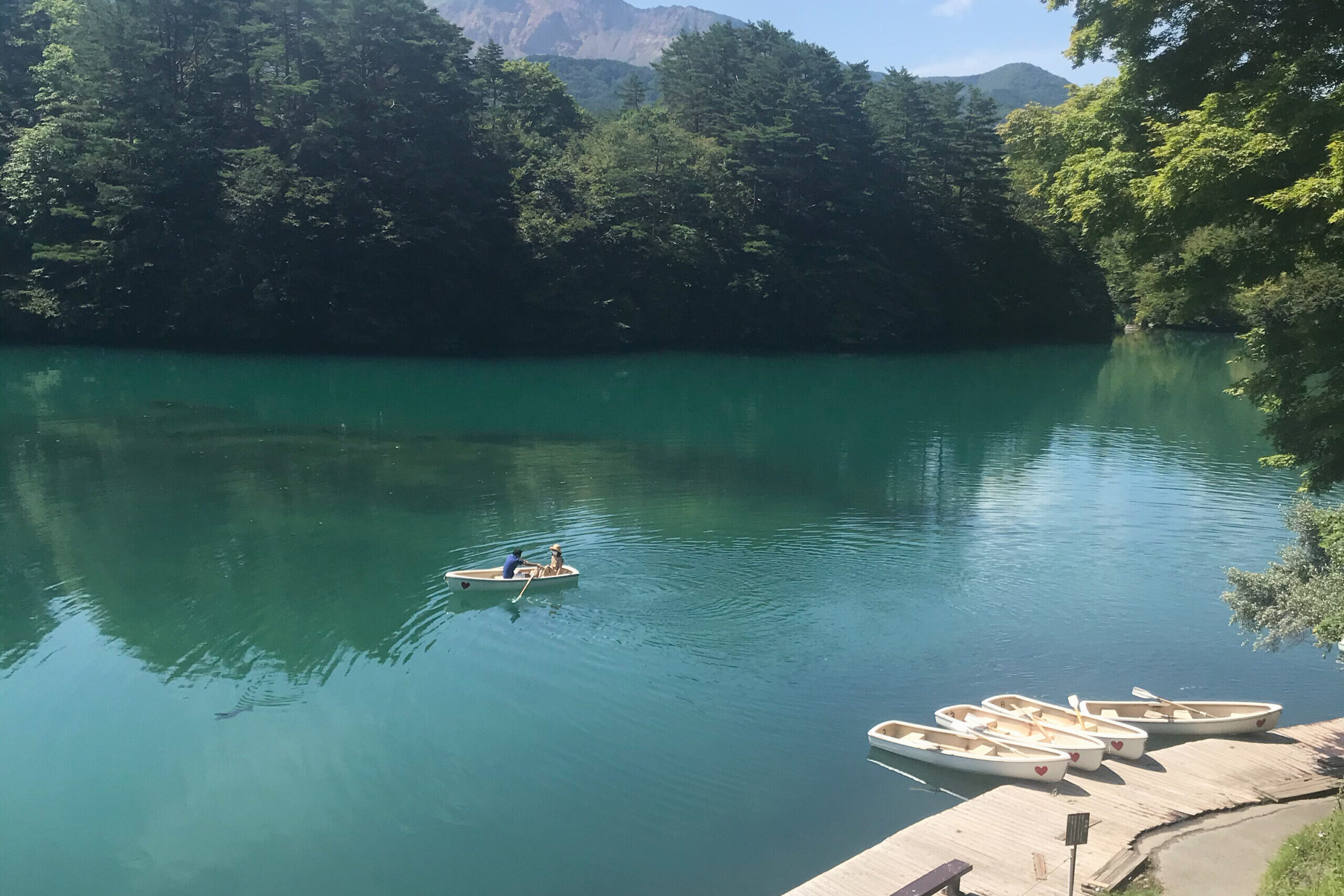
A group of mysterious ponds whose colors change between emerald green and cobalt blue depending on the light and season. Since it is relatively less crowded, it is perfect for enjoying nature peacefully through hiking or canoeing.
📍Lake Inawashiro
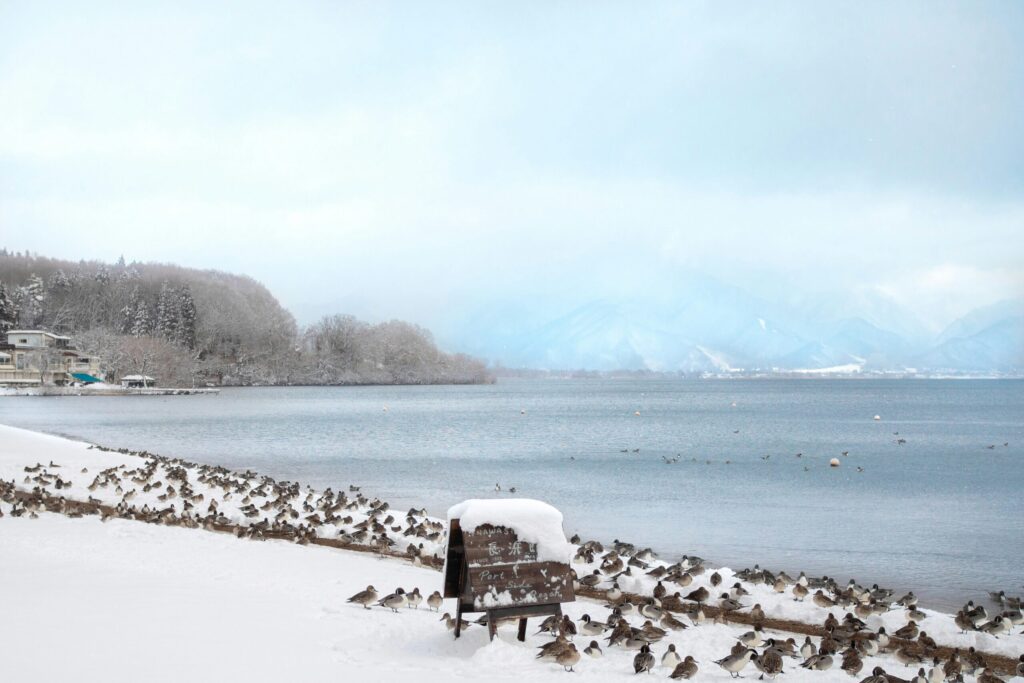
A large lake with views of Mount Bandai. Winter is especially recommended because you can see natural phenomena such as splash ice formations and migrating swans.
10. Tochigi Prefecture
📍Nikko Toshogu Shrine
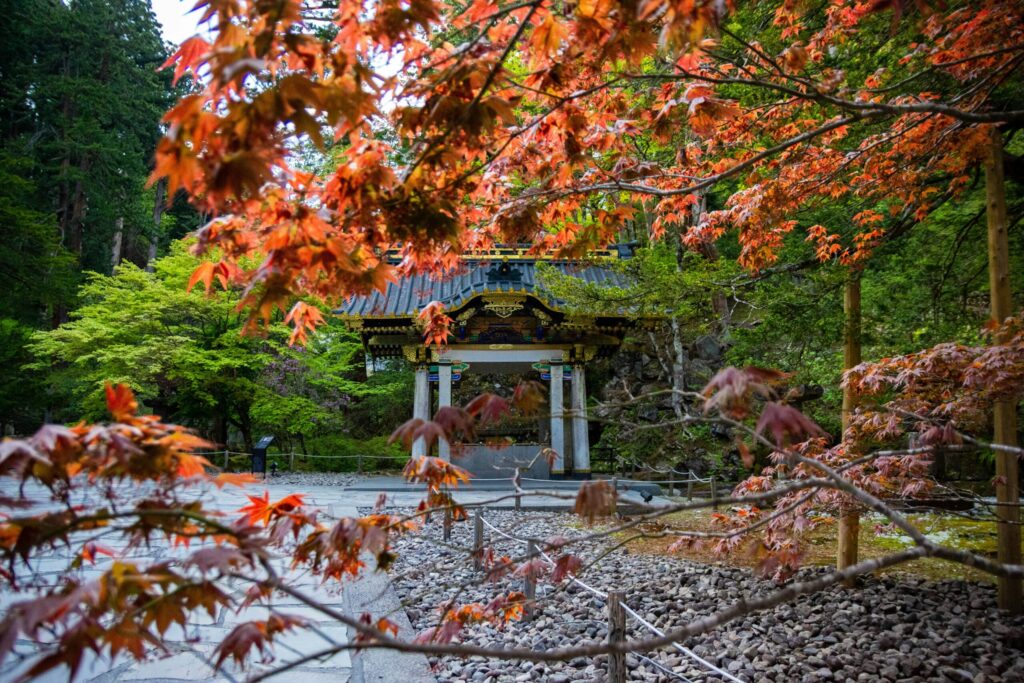
A UNESCO World Heritage site dedicated to Tokugawa Ieyasu, the founder of the Tokugawa Shogunate. The shrine is famous for its elaborate carvings and decorations. The surrounding area is also filled with local restaurants and street food stalls.
📍Lake Chuzenji & Kegon Falls
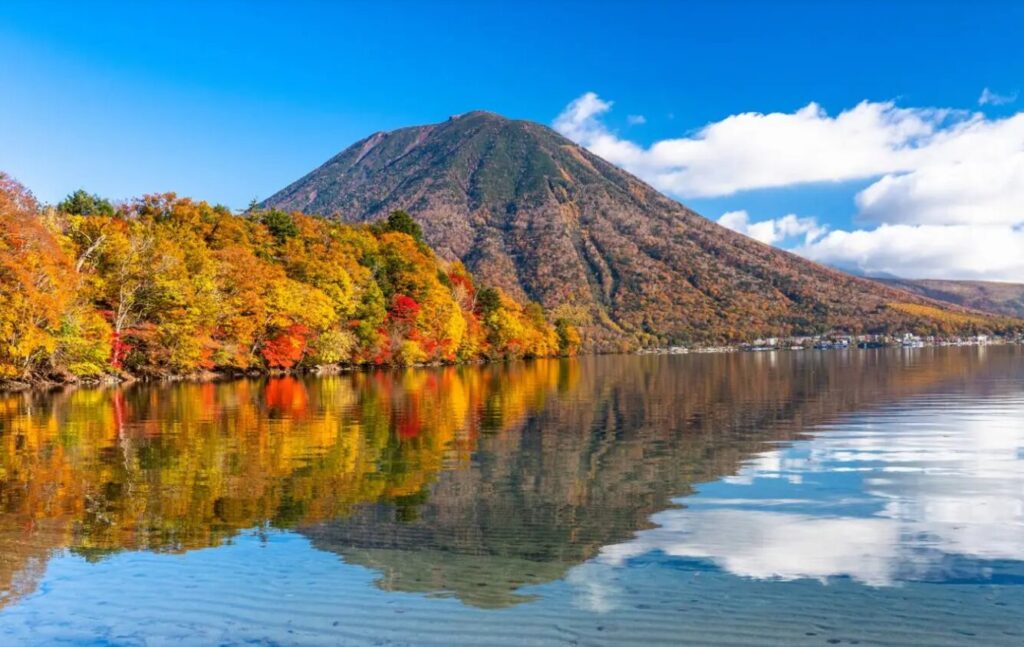
Lake Chuzenji is a beautiful lake located at the foot of Mount Nantai. Kegon Falls, formed by water flowing from the lake, is considered one of Japan’s three most famous waterfalls.
📍Irohazaka Road
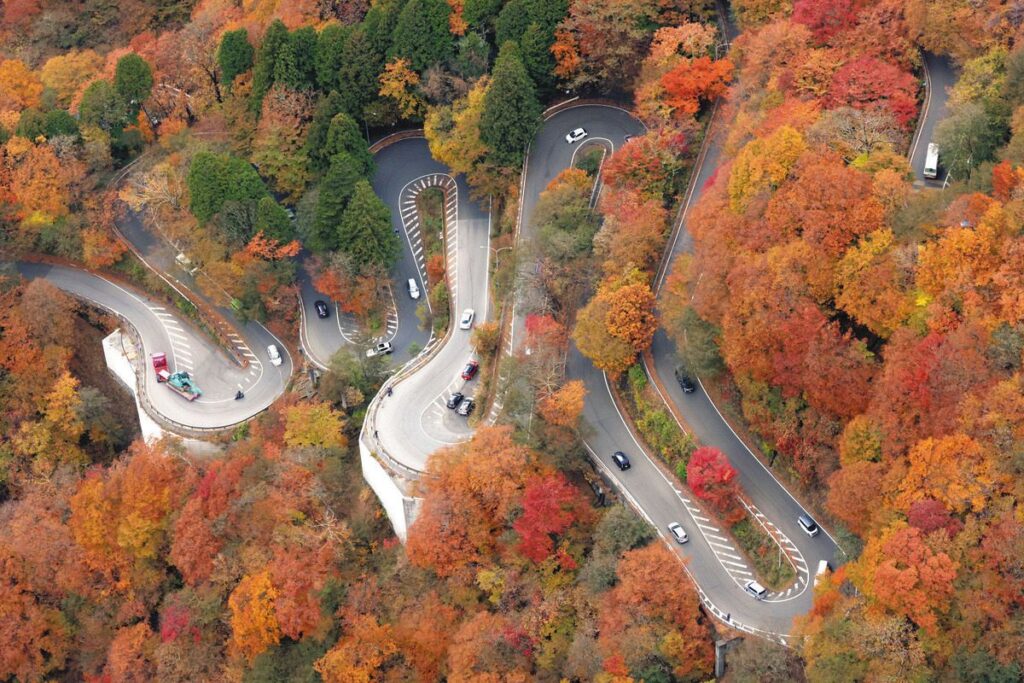
The winding road connecting Nikko and Lake Chuzenji features 48 sharp curves and offers an exciting driving experience. The autumn foliage is especially stunning.
📍Ashikaga Flower Park
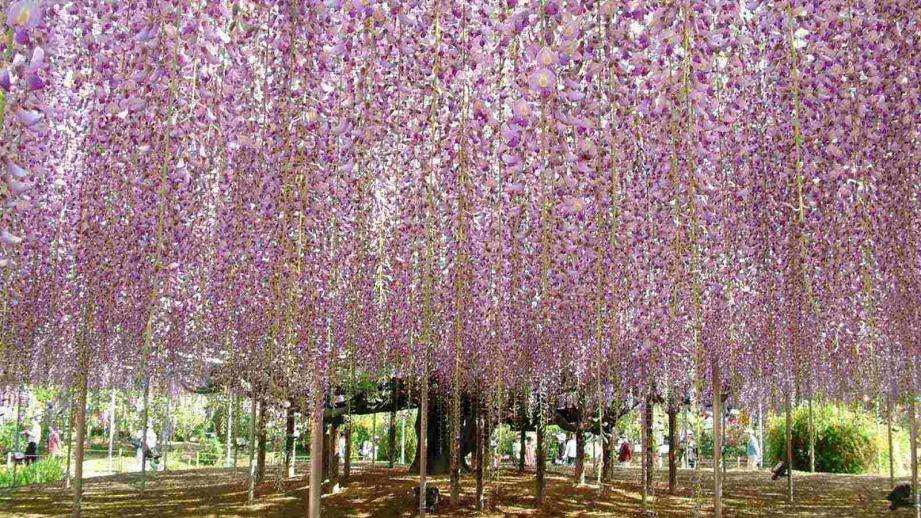
A world-famous flower park known for its giant wisteria trees. The winter illumination is also spectacular. Parking is free, but the park can become very crowded, especially on weekends.
11. Gunma Prefecture
Gunma Prefecture is known for having some of Japan’s most famous hot spring towns. Surrounded by mountains, it offers beautiful nature, skiing in winter, and hiking in summer. It is also easily accessible from Tokyo, making it a great stop on a road trip.
📍Kusatsu Onsen
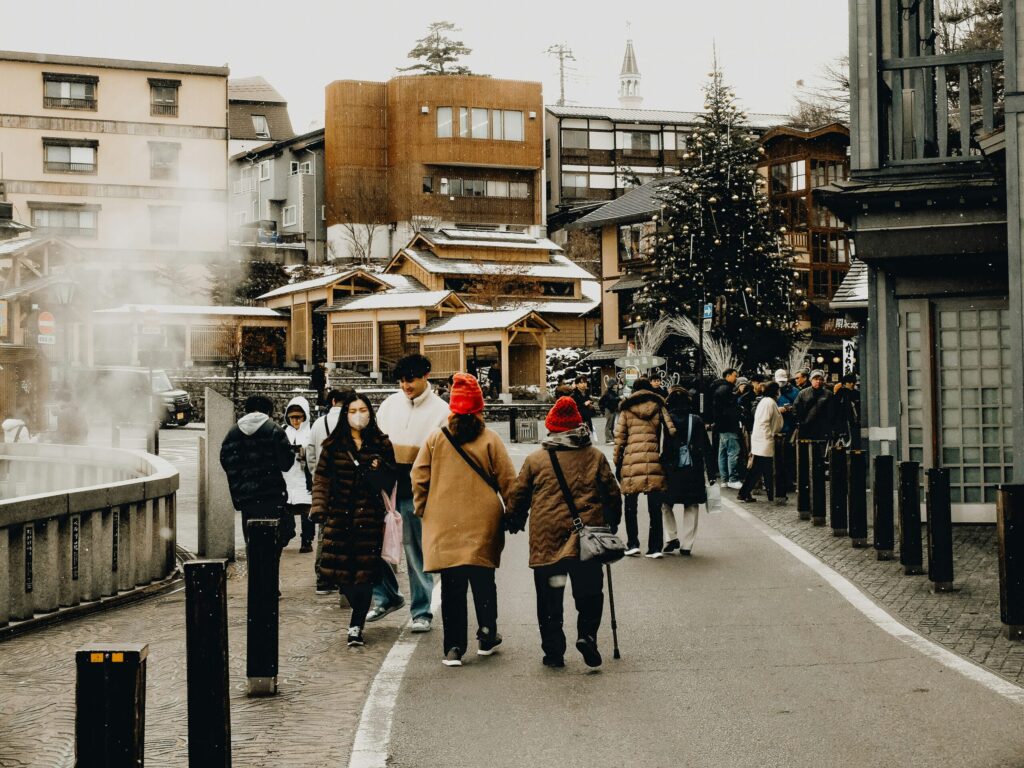
One of Japan’s Three Great Hot Springs.
At the center of the town is Yubatake (hot water field), where approximately 4,000 liters of steaming hot spring water gush out every minute. It is one of Gunma’s most iconic attractions and is beautifully illuminated at night.
You can also experience “Yumomi”, a traditional method of cooling the hot spring water by stirring it with large wooden paddles—without adding any water.
📍Ikaho Onsen
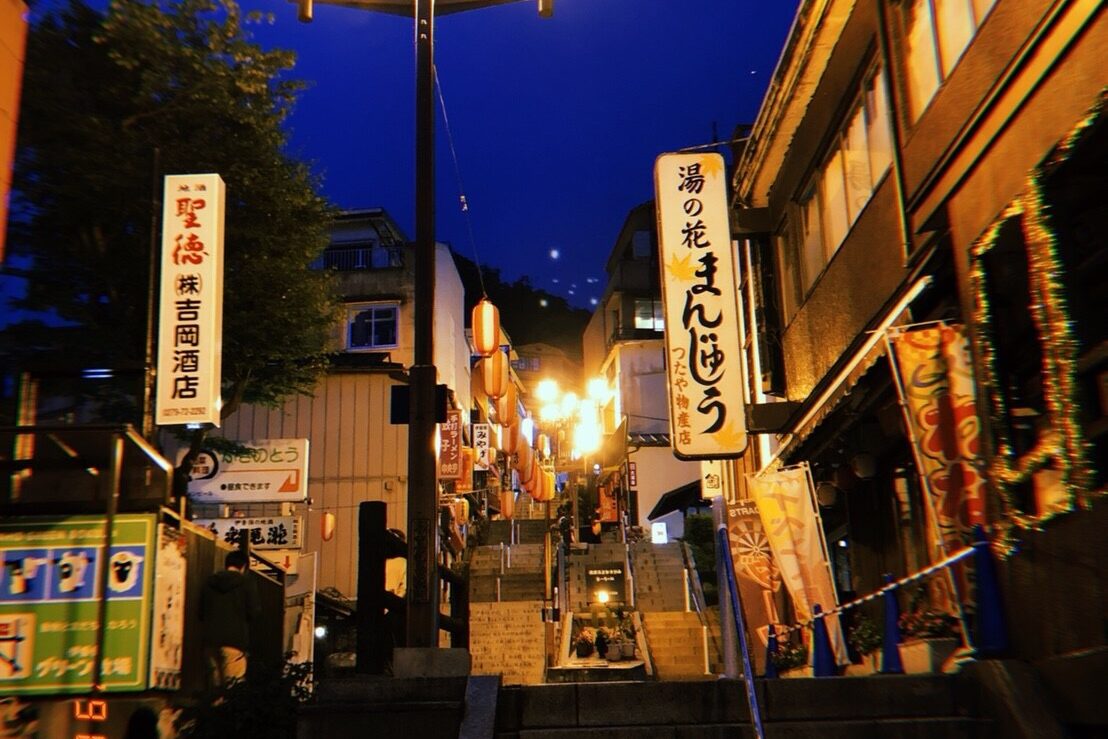
A historic hot spring town famous for its stone staircase street.
Visitors can enjoy walking through retro-style streets filled with food stalls, souvenir shops, and traditional games.
📍Shima Onsen
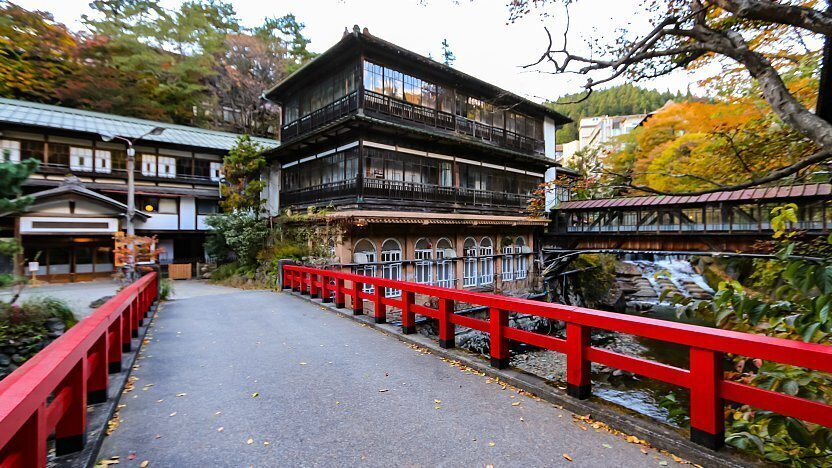
A quiet hot spring town surrounded by nature.
It is famous for the beautiful “Shima Blue” river, making it perfect for those who want a relaxing and peaceful stay.
📍Tanigawadake (Mount Tanigawa)
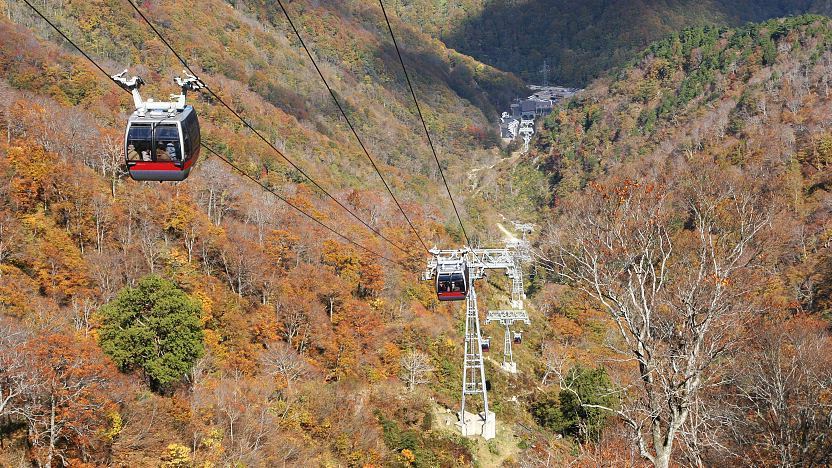
One of Japan’s 100 Famous Mountains.
You can enjoy breathtaking views via ropeway access, or challenge yourself with serious hiking routes. Weather conditions can change quickly, so caution is required.
📍Minakami
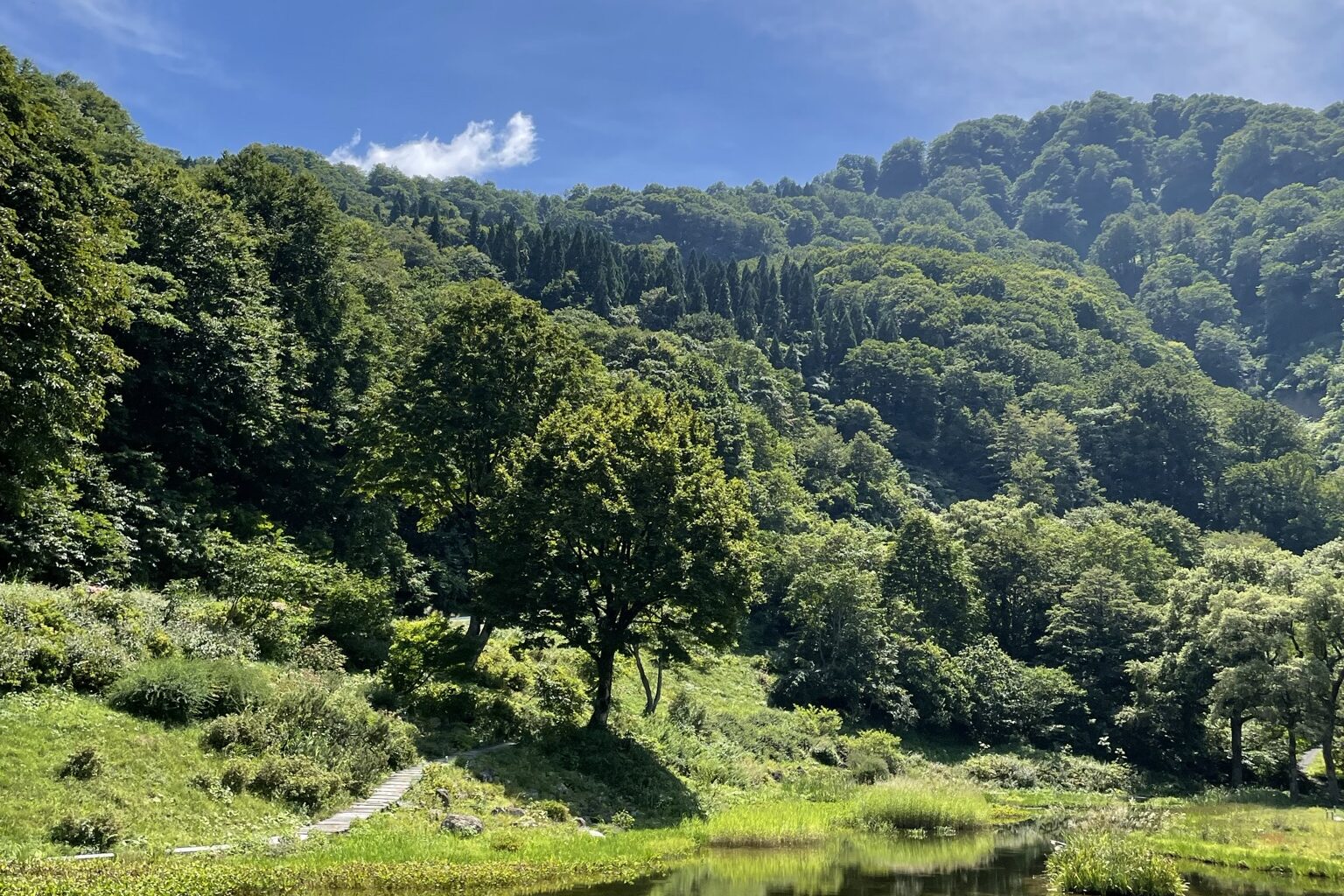
A popular outdoor adventure area.
Rafting, canyoning, and other water sports make it a great destination for thrill seekers and nature lovers.
📍Takaragawa Onsen

A hot spring ryokan surrounded by deep nature.
It is famous for its huge outdoor mixed-gender baths and is also known as a tattoo-friendly onsen, welcoming international visitors.
Conclusion
A road trip through Northern Japan offers an incredible combination of nature, history, and hot springs. Japan is not only about Tokyo, Kyoto, and Osaka. Traditional lifestyles and culture are deeply rooted in the countryside. I hope you discover another side of Japan through the freedom of traveling by car.
🚐 Before You Hit the Road
👉Read these guides :