
Keeping yourself safe is the most important part of traveling.
Money and time can be recovered later, but if something happens to you, your journey ends immediately.
In this guide, I explain the basic mindset and practical steps for staying safe while backpacking.
If you’re still planning your trip, you may also want to read Part 1 on how to choose safe accommodation.
👉 Complete Beginner Backpacker Guide(2026 Edition) Part 1 | Accommodation
Table of Contents
⚠️The Most Important Thing
You cannot enjoy travel unless you are healthy and alive. If a small expense or a little effort can prevent a major loss, it is always worth it. f you run out of money, you can always earn again later.
✔Safety Checklist for Backpackers
① Pre-Departure Safety Check
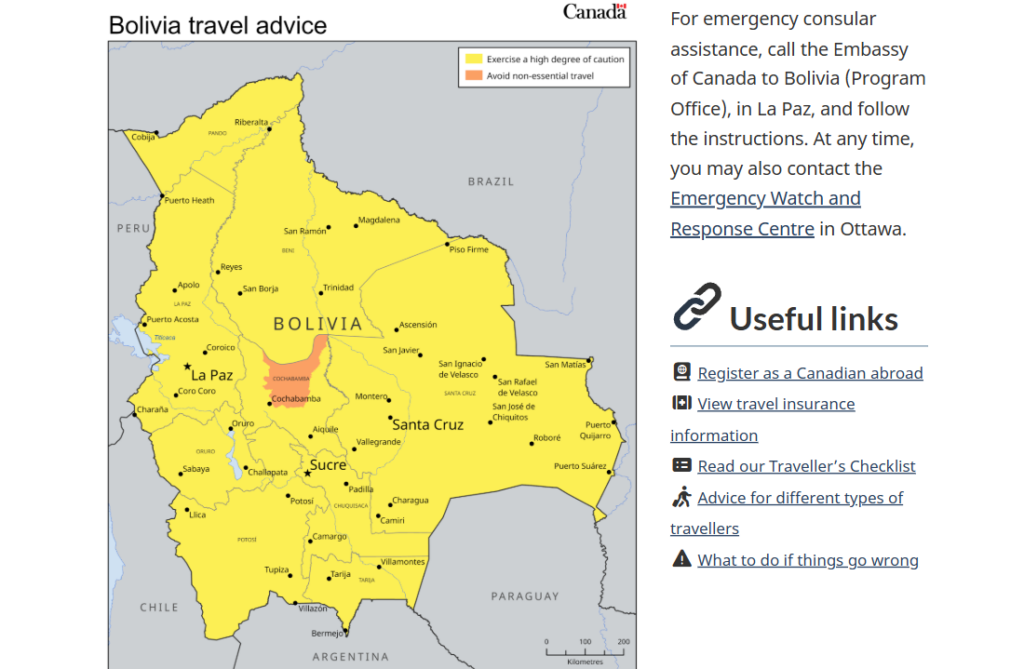
Have you checked the latest travel advisories from your government?
Before departure, always check official travel safety information from your country. For example, many governments display risk levels using color-coded systems.
If you choose to enter a dangerous area and get into trouble, it is ultimately your own responsibility.
② Is Your Arrival Time Safe?
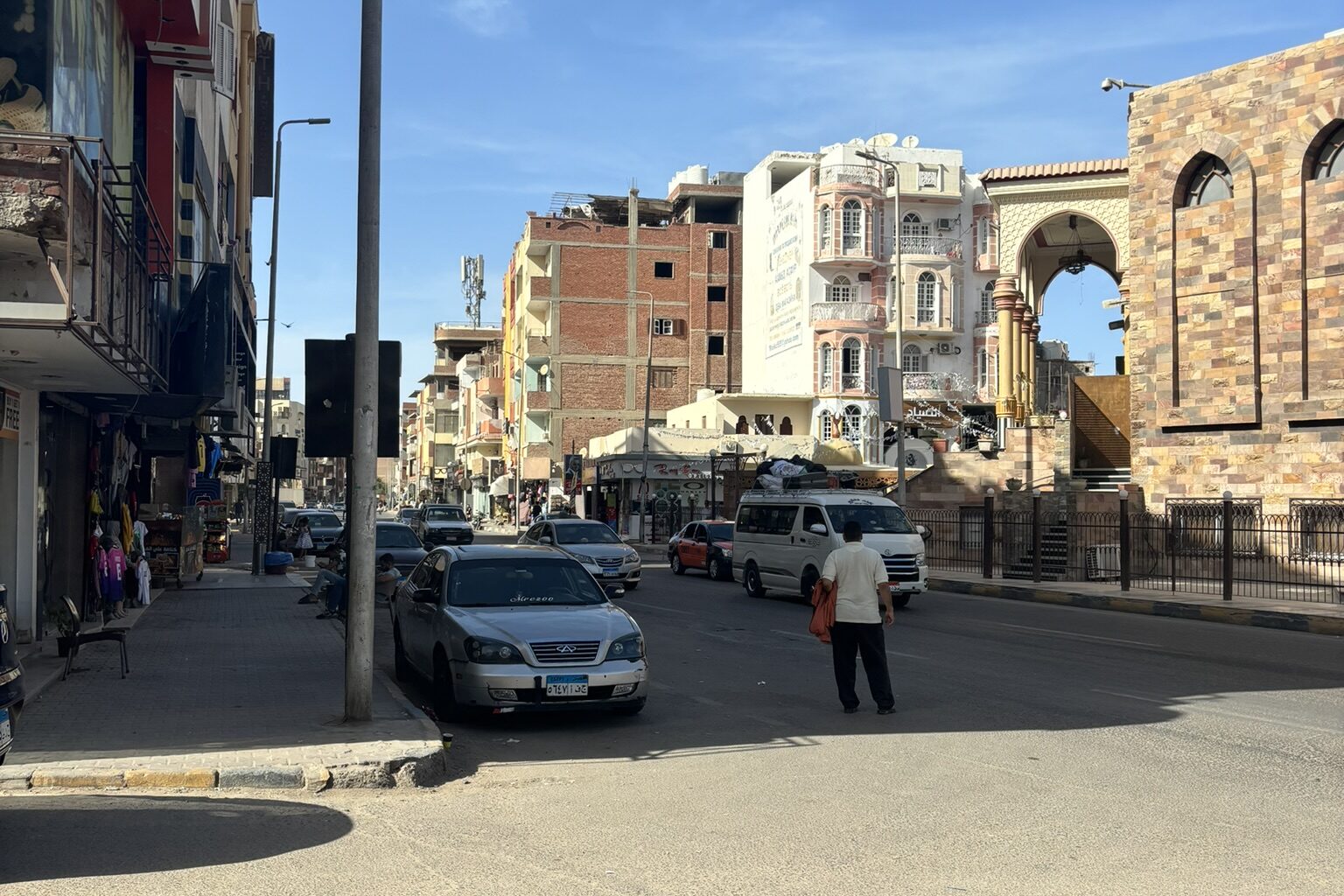
Are you arriving during daylight hours?
Arriving at night is much riskier than most people expect.
- Bus terminals and airports may be closed
- Even international airports are not always open 24/7
In the worst case, you may end up being kicked out after arriving, unable to find a taxi, and stranded in an unsafe area at night. The safest option is to schedule your arrival so you reach your accommodation during the daytime or early evening.
③ Internet Access While Traveling
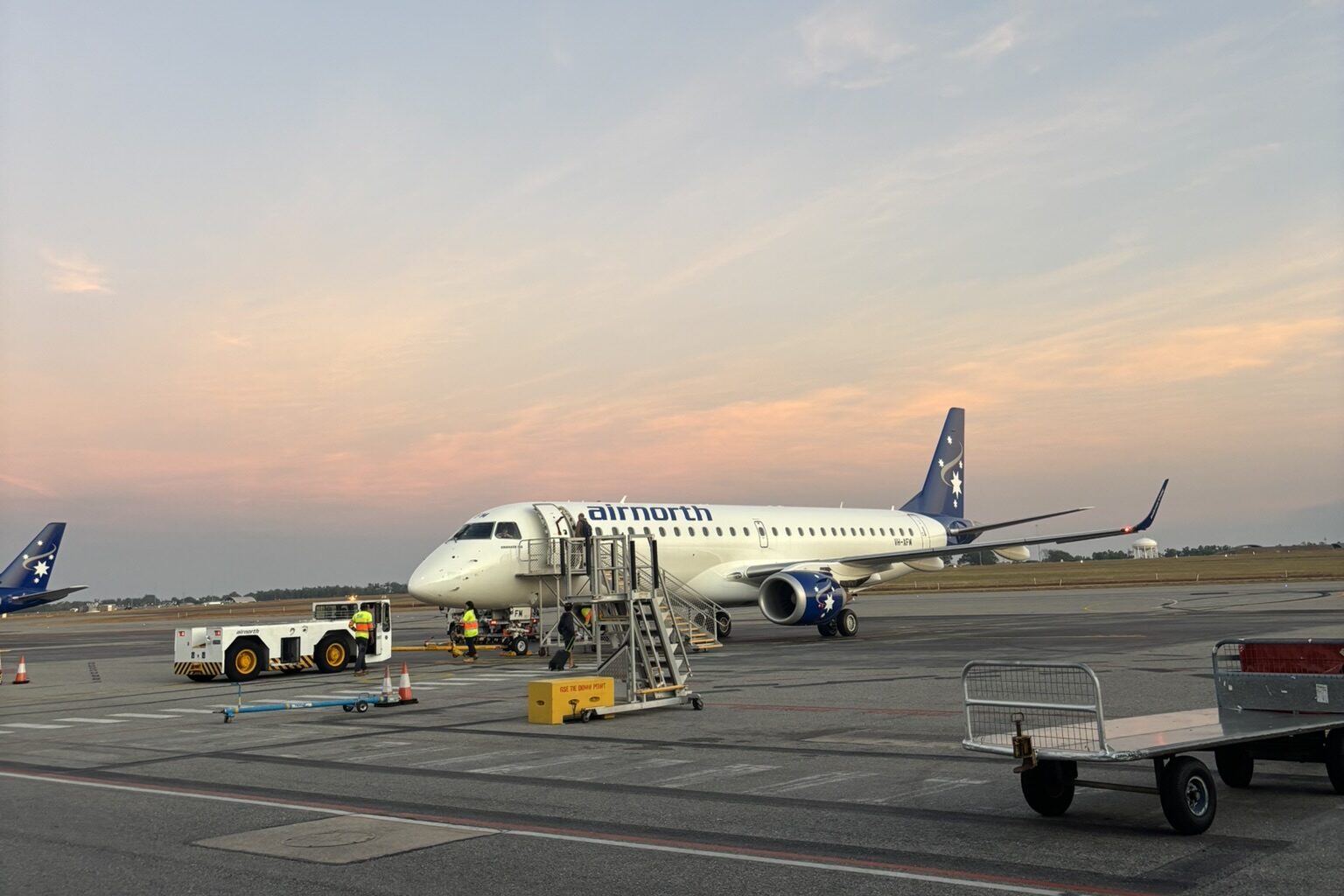
Will you have internet access as soon as you arrive?
Many budget travelers choose the cheapest local SIM card. Airport SIM cards are often expensive, so people usually try to buy them in the city. I do the same, but there are risks.
- You may have no internet for a while after arrival (some airports have no free Wi-Fi)
- Walking around without maps or internet can be dangerous in some areas
That is why I use a global eSIM as a “bridge connection.” It is only used temporarily until I buy a local SIM, which helps reduce overall costs. I personally use Airalo’s global eSIM.

It works in most countries and has stable connection, which is why I like it. Get a discount using referral code SRQGYG8037.
④ Is Your Accommodation in a Safe Area?
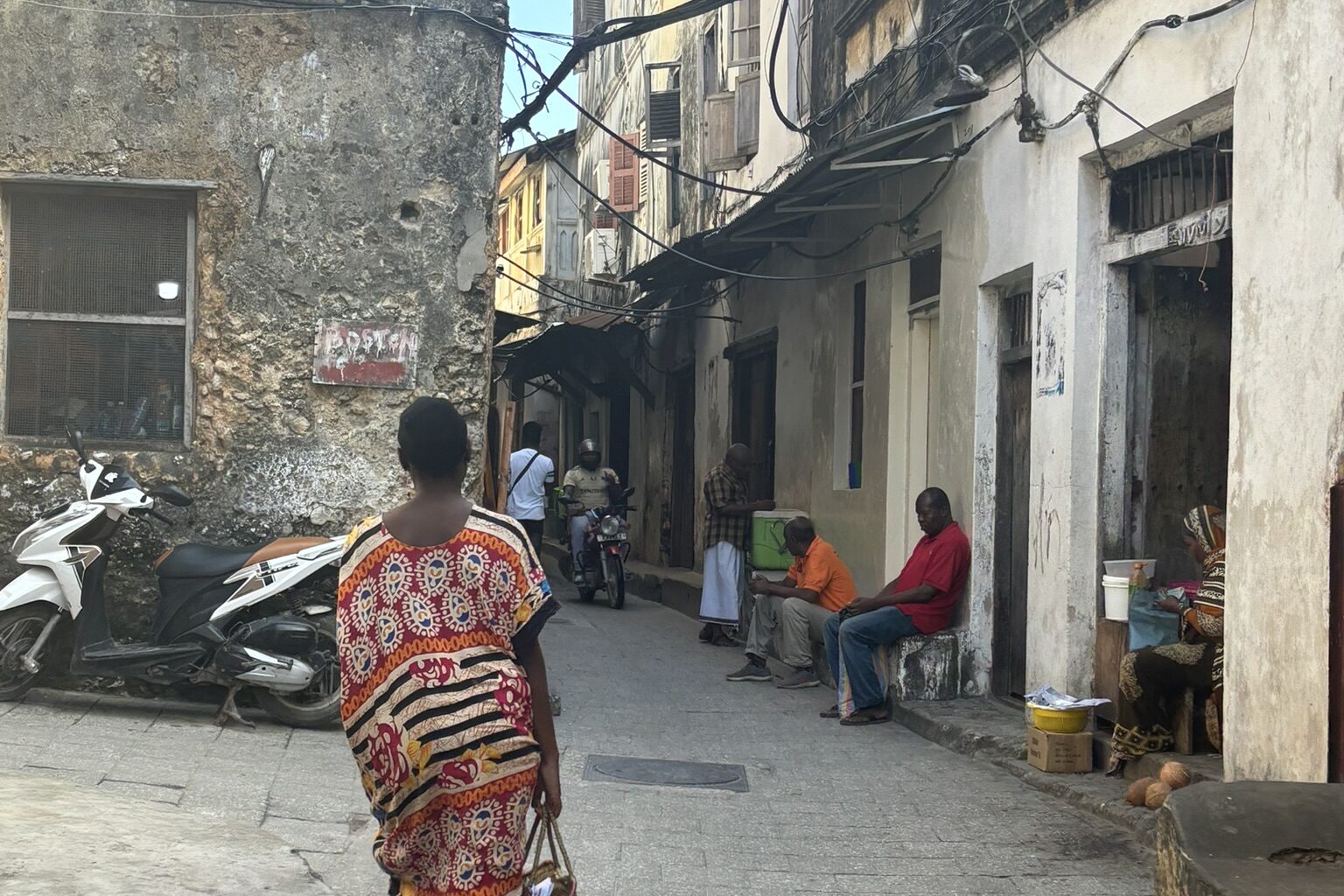
Where you stay has a huge impact on your travel experience.
- Is the neighborhood safe?
- Is it easy to reach from the airport or bus terminal?
If you are unsure, it is best to contact the hostel in advance. They can tell you whether you should take Uber, an airport shuttle, or a local bus.
After arrival, always confirm with the hostel staff whether the area is safe to walk at night.
Local information is often more accurate than online sources.
Choosing safe accommodation is one of the most important parts of travel safety.
If you haven’t read it yet, check this guide first:
👉: Complete Beginner Backpacker Guide(2026 Edition) Part 1 | Accommodation
⑤ Disease & Health Risks
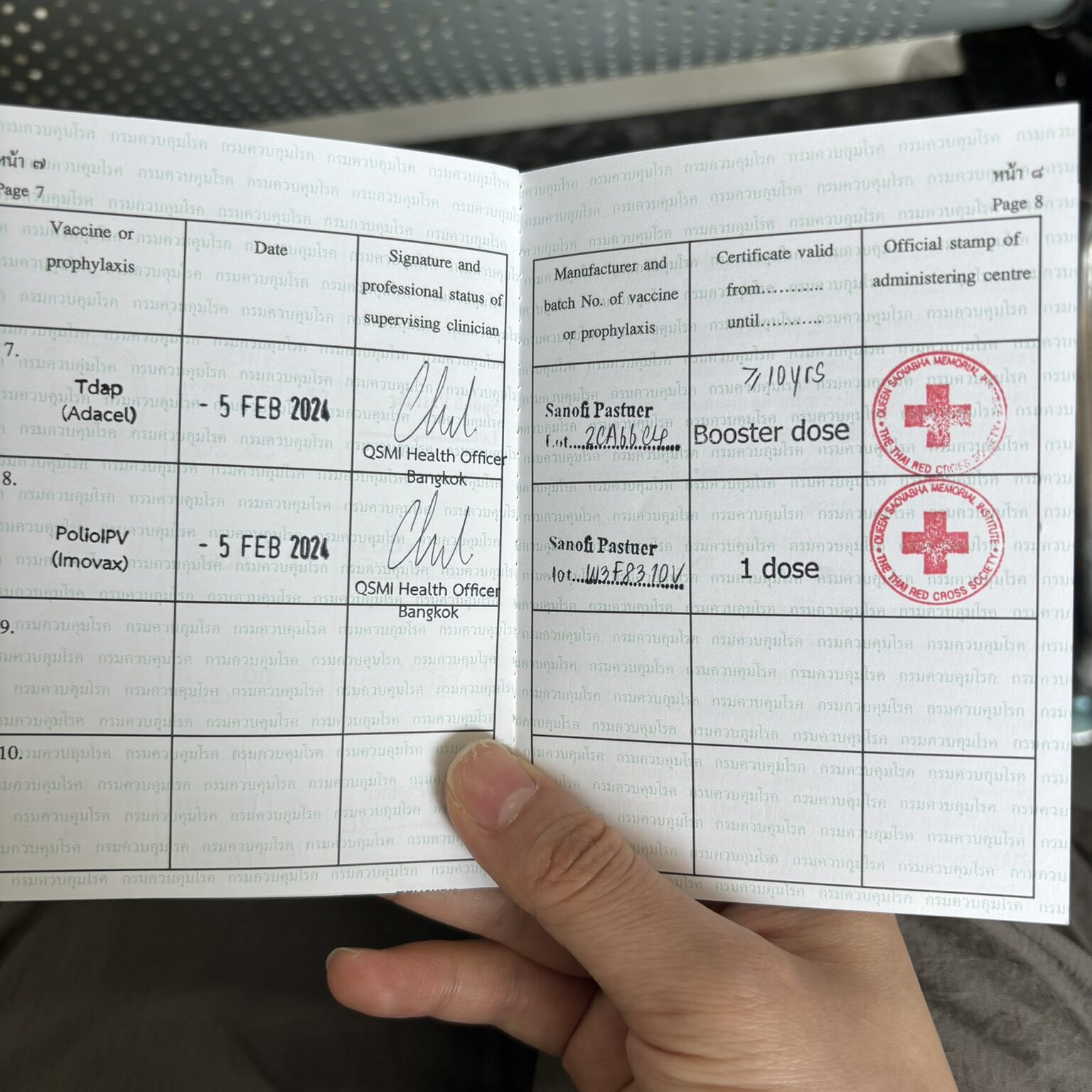
Safety is not only about crime—health risks also matter.
🦠Examples:
Hepatitis A & B
Tetanus
Rabies
Yellow fever
Malaria
Unfortunately, many of these risks involve chance. In some cases, people get infected just from mosquito bites while sleeping.
Some countries also require a Yellow Card (vaccination certificate) for entry.
💉Prevention
Always understand the health risks of your destination and get the necessary vaccinations. It can be expensive, but some vaccines last 10 years or more, while others may provide lifetime protection.
Trying to save money by skipping vaccines can lead to severe illness abroad and extremely high medical costs—something no traveler wants to experience.
For budget backpackers, there is good news: cheaper vaccination options exist. I personally got vaccinated in Thailand.
I also share more details in another article—feel free to check it
💉Backpacker Vaccine Guide | Essential Travel Vaccines and How to Get Them Cheap
⑥ Taxi Safety
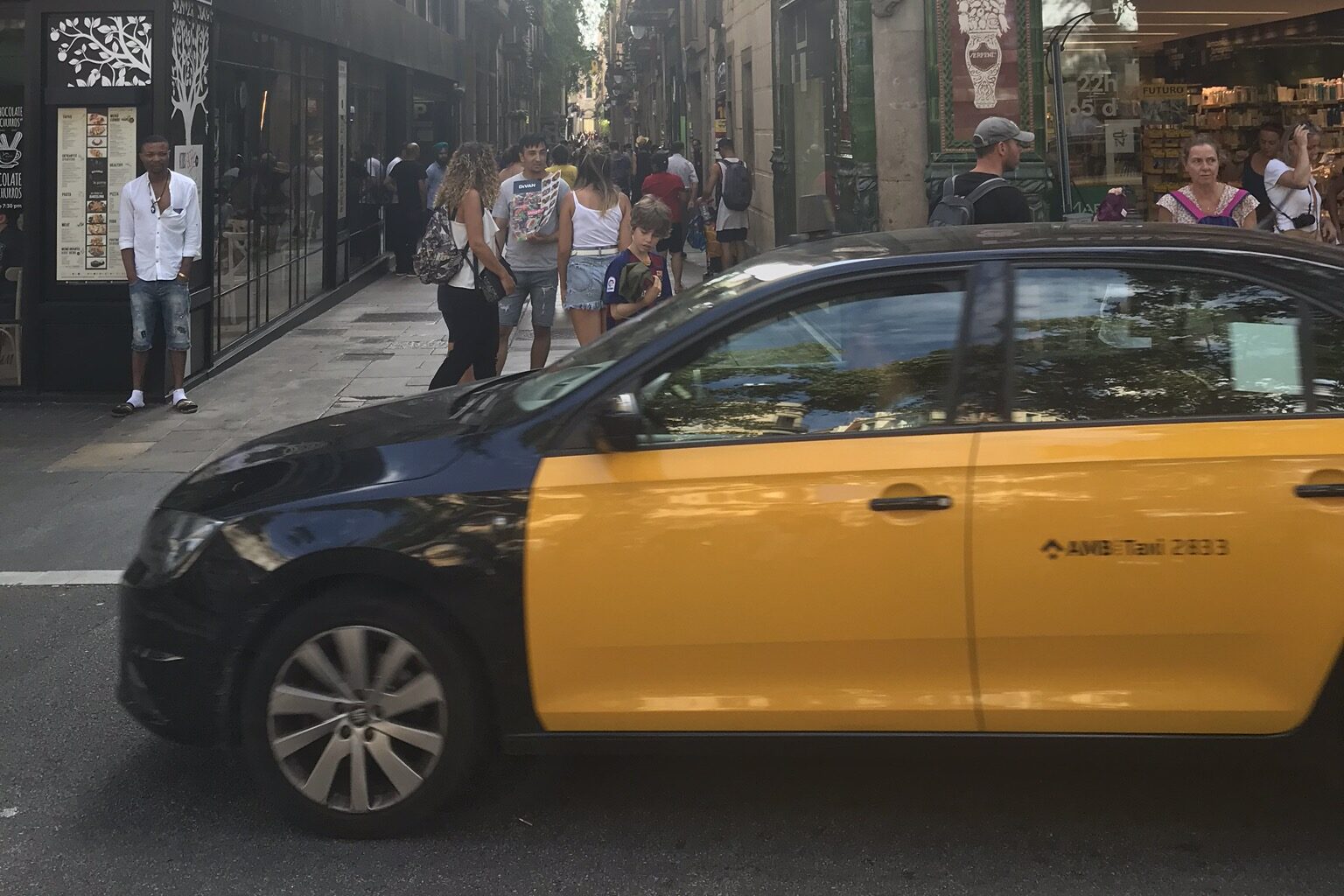
Taxis are convenient, but they come with risks such as:
- Overcharging
- Taking longer routes
- Fake taxis
- Robberies
For this reason, the safest option is:
Avoid street taxis and use ride-hailing apps like Uber or Grab instead.
🚗Real Experiences
- Bolivia: A different car arrived with no license plate. The driver said he was sent by a friend, but I refused to enter.
- Egypt: The issue is that license plates use Arabic numbers, which are hard to read. I once confirmed the Uber using the app, but accidentally got into the wrong car. I realized it later and got off immediately.

- Spain: While checking Google Maps, I noticed the driver was taking a detour, so I asked to stop and got out.
⭐ Important Taxi Safety Tips
- Always confirm the license plate and car model before getting in
- Make sure the driver and vehicle match your booking in the app
- Double-check that your destination is correctly set
- Ensure your luggage is safely loaded
- Watch the route during the ride to avoid unnecessary detours
- Check that the fare matches what was shown in the app
- Trust your instincts and leave immediately if something feels wrong
⑦ Bus Safety
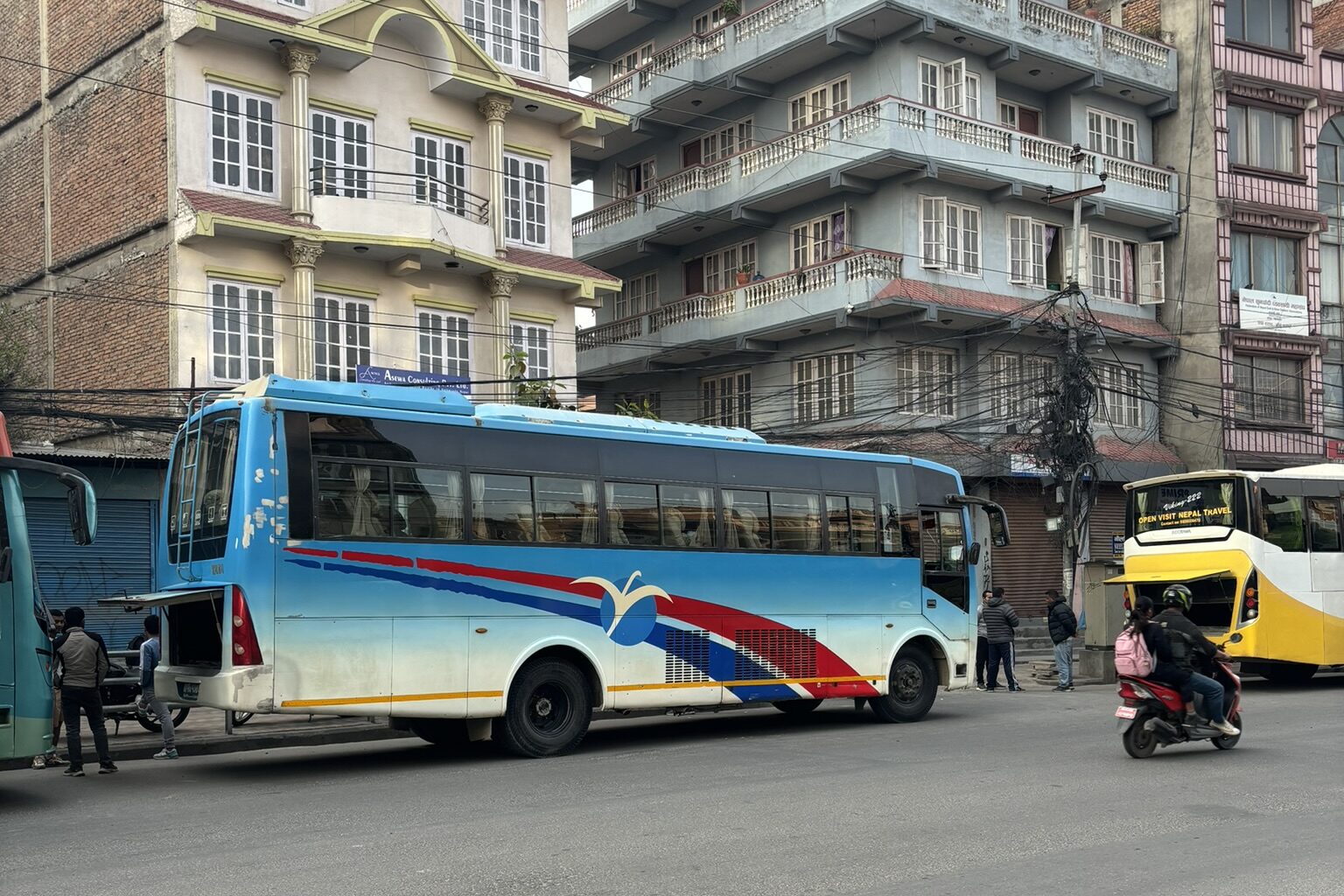
Overhead luggage storage should only be used in safe countries.
In countries with higher risk:
- Keep your bag at your feet
- Keep valuables on your body
This is especially important for night buses, where you are vulnerable while sleeping.
⑧ Food Safety
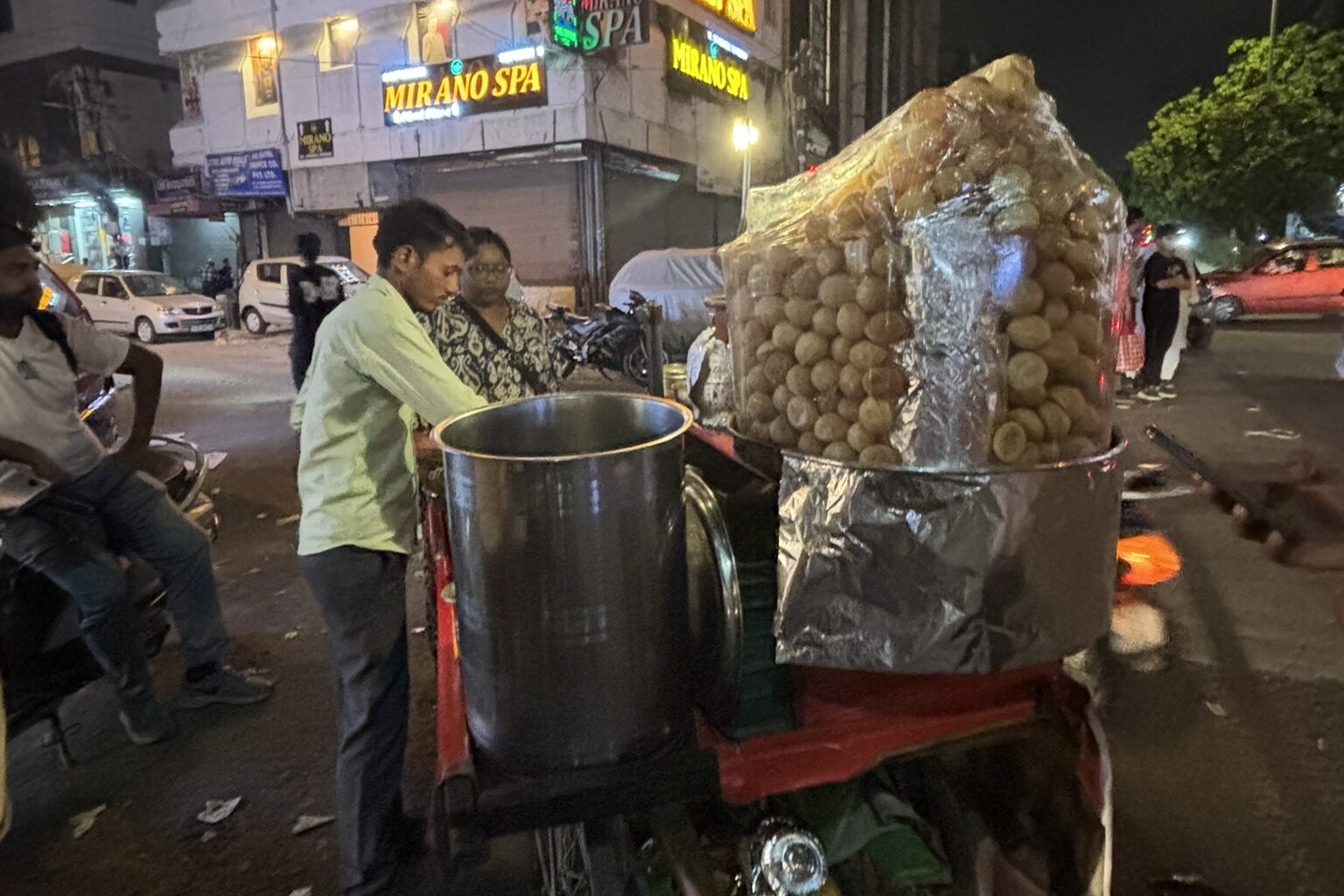
Some countries have a high risk of food poisoning.This is especially true in countries where tap water is not safe to drink.
For example:
In India, iced drinks can be risky due to possible contaminated water.
Fresh vegetables and fruits may also be washed with unsafe water, so caution is needed.
I also share my food poisoning experience in India. → I Got Food Poisoning Twice in India | A Real Story from Northern India
🍎Food Safety Checklist
- Are your hands clean?
- Is the water and ice safe?
- Has the food been left outside for too long?
- Can raw food be reheated in your accommodation?
- Are the cooks clean and hygienic?
- Is oil reused too many times?
- Is the food stall clean?
✔Final Summary Checklist
■ Safety Information
- Check official government travel advisories
■ Arrival Planning
- Arrive during daylight hours
■ Internet
- Make sure you have internet access immediately upon arrival
■ Health
- Understand required vaccinations for your destination
- Get vaccinated if necessary
■ Accommodation
- Choose safe neighborhoods
- Ask locals about safety conditions
■ Taxi
- Use ride-hailing apps
- Check car and license plate
- Confirm luggage is loaded
- Monitor route during the ride
- Get out if something feels wrong
■ Bus
- Keep luggage within sight
- Keep valuables on your body
■ Food
- Be aware of hygiene in food preparation
- Keep hands clean
- Check water and ice safety