Have you ever heard of the Amazon slow boat, also known as a hammock boat?
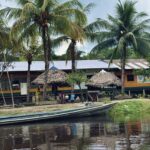
A slow boat is a large passenger boat that travels along the Amazon River over the course of several days—or even more than a week. In the Amazon, where roads are scarce, these boats are an essential means of transportation for local people, carrying passengers as well as food, supplies, and other goods to remote villages.
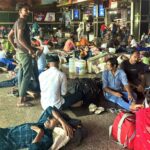
As the name suggests, the boat moves at a very slow pace. Since the journey takes several days, you actually live on board. There are no private cabins—instead, everyone hangs their own hammock, which becomes their bed for the trip.
This unique and adventurous experience has become a favorite among backpackers from around the world. In this article, I’ll share what it was really like to spend three days traveling from Yurimaguas to Iquitos in Peru.
Table of Contents
What is an Amazon Slow Boat?
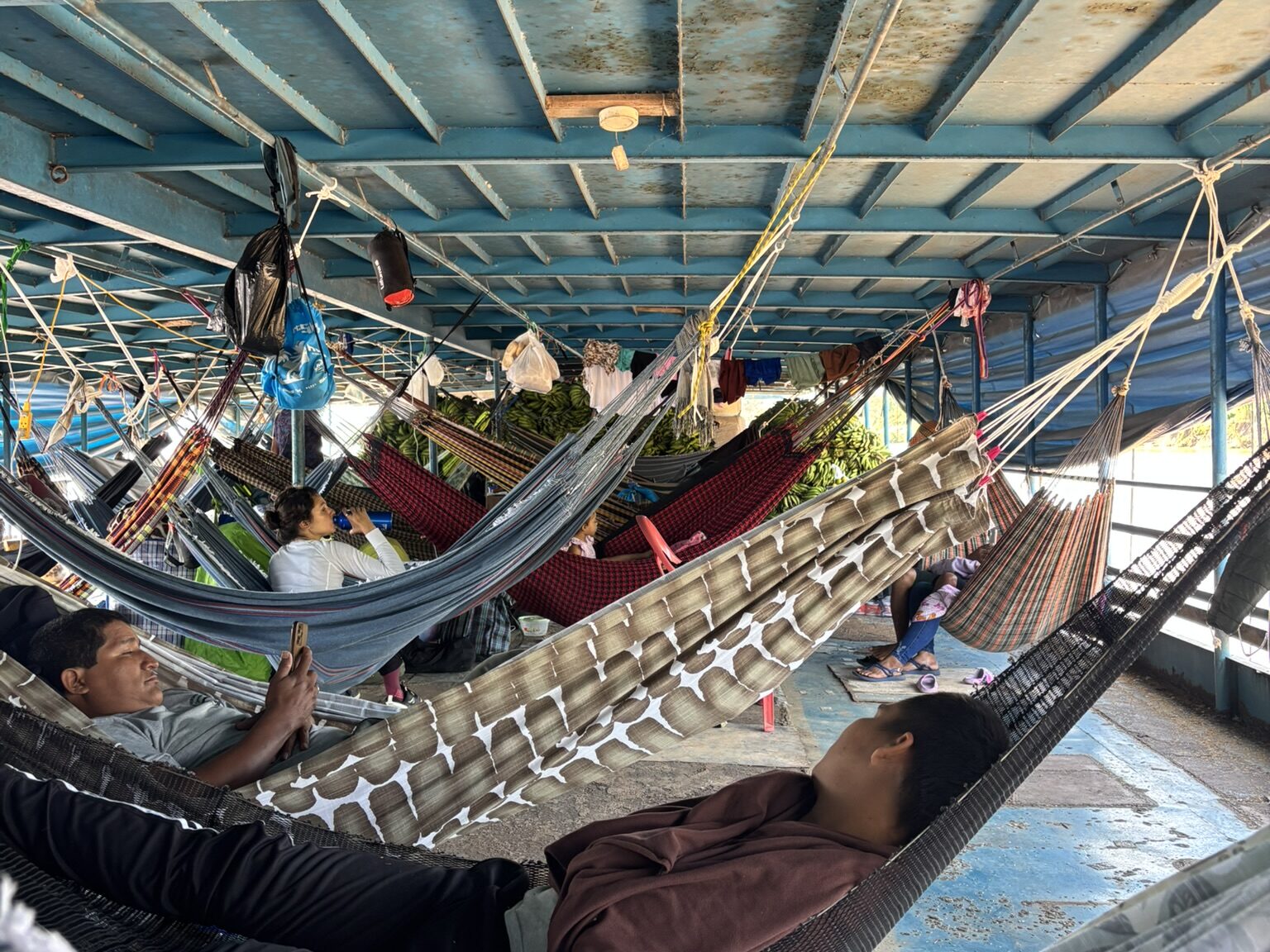
- Speed: Approximately 15–25 km/h (9–16 mph)
- Duration: 2–7+ days, depending on the route
- Sleeping arrangements: Your own hammock
- Meals: Usually three meals a day are provided
- Facilities: Basic toilets and showers (don’t expect them to be clean)
Rather than simply getting from one place to another, it feels more like living on a boat for a few days.
Popular Routes
There are several slow boat routes throughout the Amazon Basin. Among travelers, the Iquitos–Leticia (Colombia) route is probably the most famous. However, every route offers a similar experience. In fact, less popular routes often provide an even more authentic glimpse into everyday life in the Amazon.
Peru
- Iquitos ⇄ Yurimaguas
- Iquitos ⇄ Pucallpa
- Iquitos ⇄ Pantoja
Brazil
- Belém ⇄ Tabatinga
Colombia
- Routes around Leticia
Cost
For our trip, the boat ticket cost 100 soles, which included approximately three days of travel and three meals a day. We bought our hammock at the local market for around 20–40 soles. You can also buy a hammock on board, but they usually cost around 50 soles, so purchasing one at the market beforehand is much cheaper.
What to Bring
Life on a slow boat is surprisingly simple—and a little inconvenient. Here’s what I recommend bringing:
- A hammock
- A food container (meals are provided, but plates and bowls are not!)
- Spoon and fork
- Drinking water
- Snacks
- A headlamp
- Mosquito repellent
- Warm clothing (the nights can be surprisingly chilly)
Things to Know Before You Go
1. Departure times are unpredictable
One of the most important things to know is that the boat doesn’t always leave at the scheduled time. In many cases, it departs only once enough passengers have boarded. Even if you’re told it will leave at 5:00 a.m., it might not depart until later that day—or even the next day. Make sure your schedule is flexible.
2. The water comes from the river
The water used for washing dishes and showering is taken directly from the Amazon River. If you’re concerned about hygiene, consider bringing disposable food containers or utensils.
3. Don’t count on an onboard shop
Some travel blogs mention a small convenience store on board, but our boat didn’t have one. Bring plenty of drinking water and snacks before boarding.
4. The toilets are rough
To be honest, the toilets are far from comfortable. They were very dirty, sitting wasn’t really an option, and when the boat stopped, the toilets stopped working too. Since there’s almost no lighting at night, a headlamp is incredibly useful.
5. Surprisingly few mosquitoes
Because there’s usually a nice breeze on the river, there were very few mosquitoes during the day. However, they do come out around sunset, so don’t forget insect repellent.
Three Days on the Amazon
Day 0 – Buying tickets at Yurimaguas port
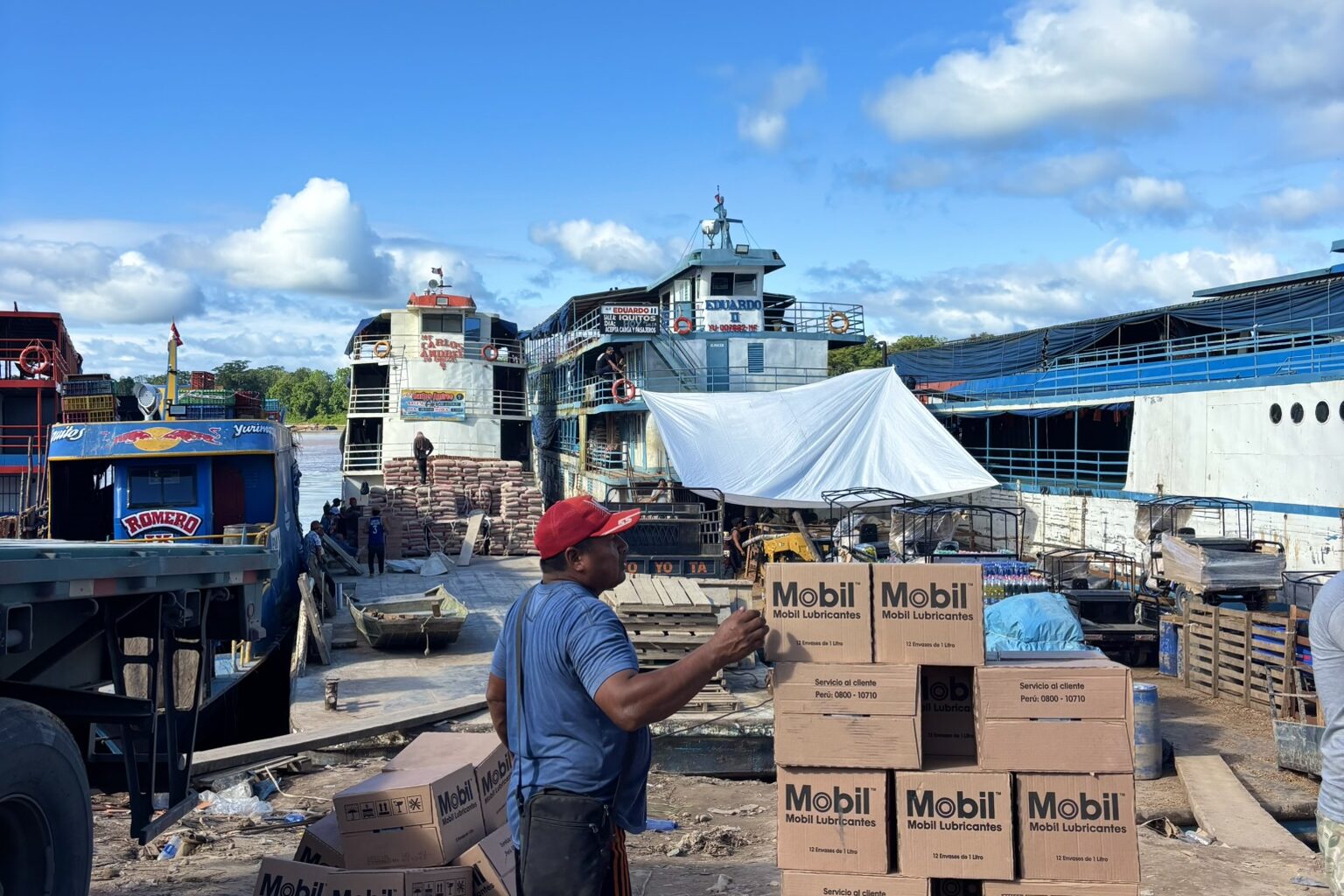
We bought our tickets to Iquitos at the port for 100 soles each.
📍Port location: PUERTO La Boca, Yurimaguas
The boat was already docked, so we boarded and found a place to hang our hammocks.
⚠️One thing to watch out for: some locals will offer to help carry your luggage or hang your hammock, then expect a tip afterward.
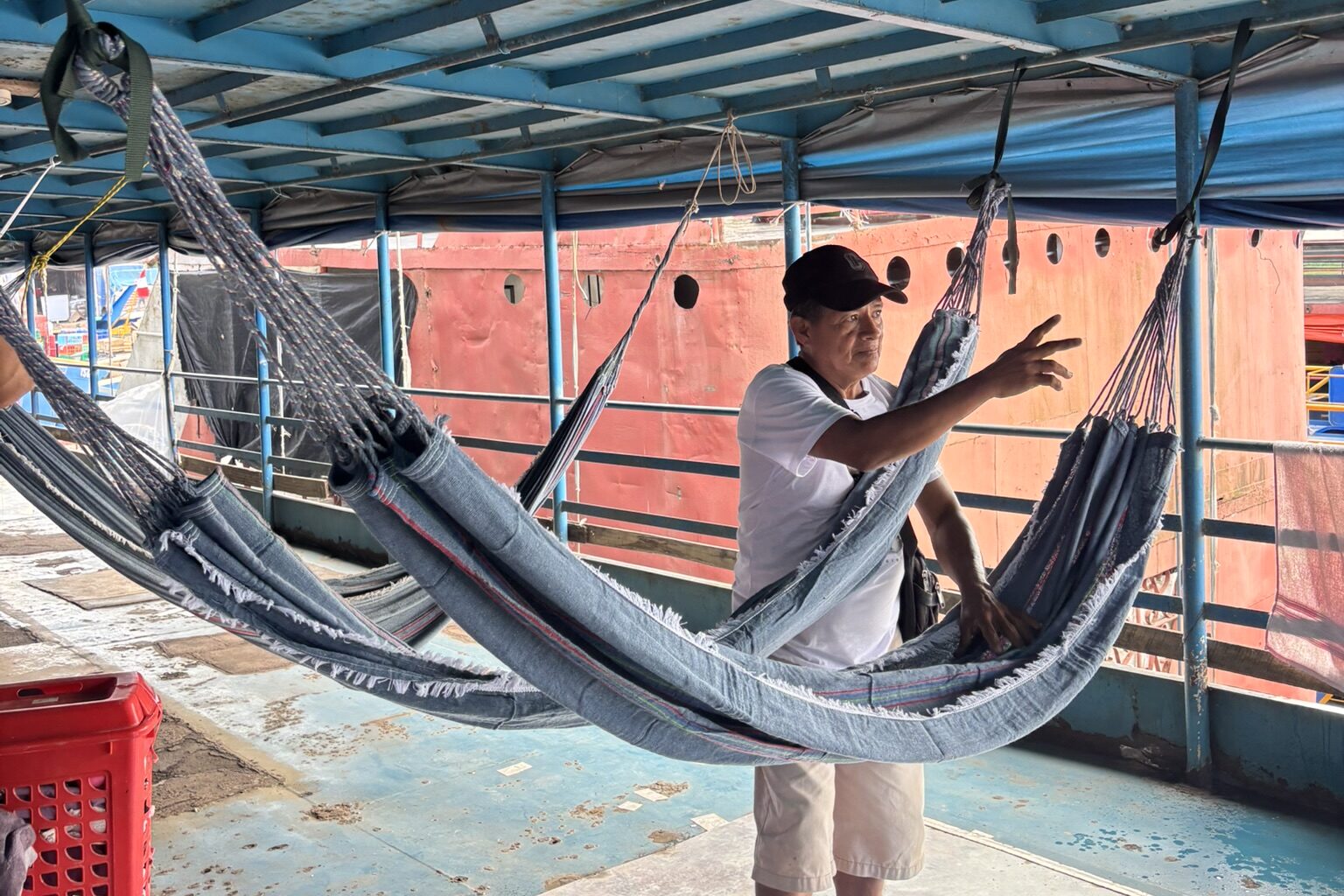
When we asked about the departure time, we were told the boat would leave at 5:00 a.m. the following morning. It had originally been scheduled to depart that day, but there weren’t enough passengers, so the departure was delayed. Fortunately, we had already booked a hotel for the night. Some other travelers weren’t so lucky and ended up sleeping on the boat while waiting.
Day 1 – Finally Setting Sail
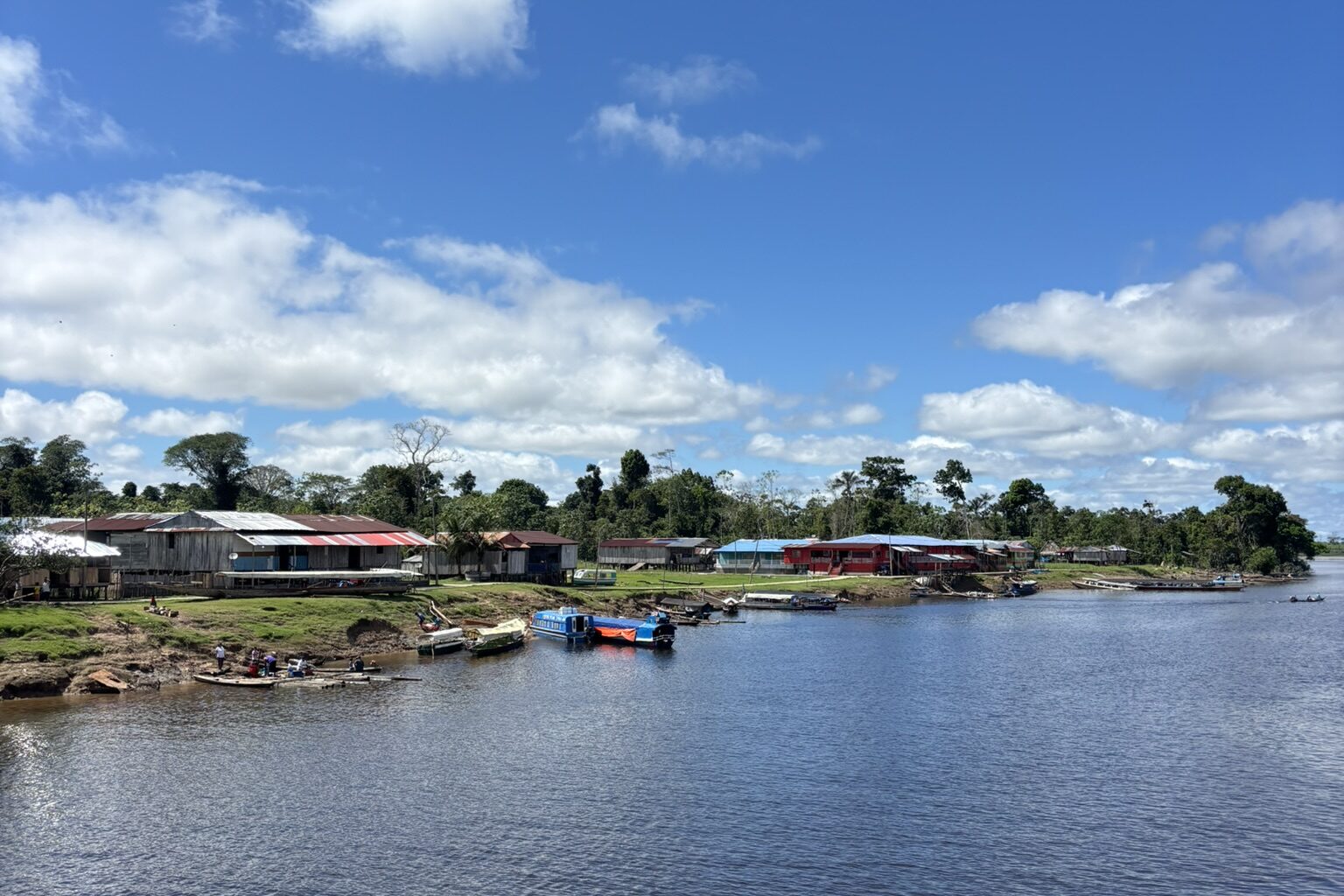
We arrived back at the port at 4:30 a.m., and the boat finally left around 5:30.
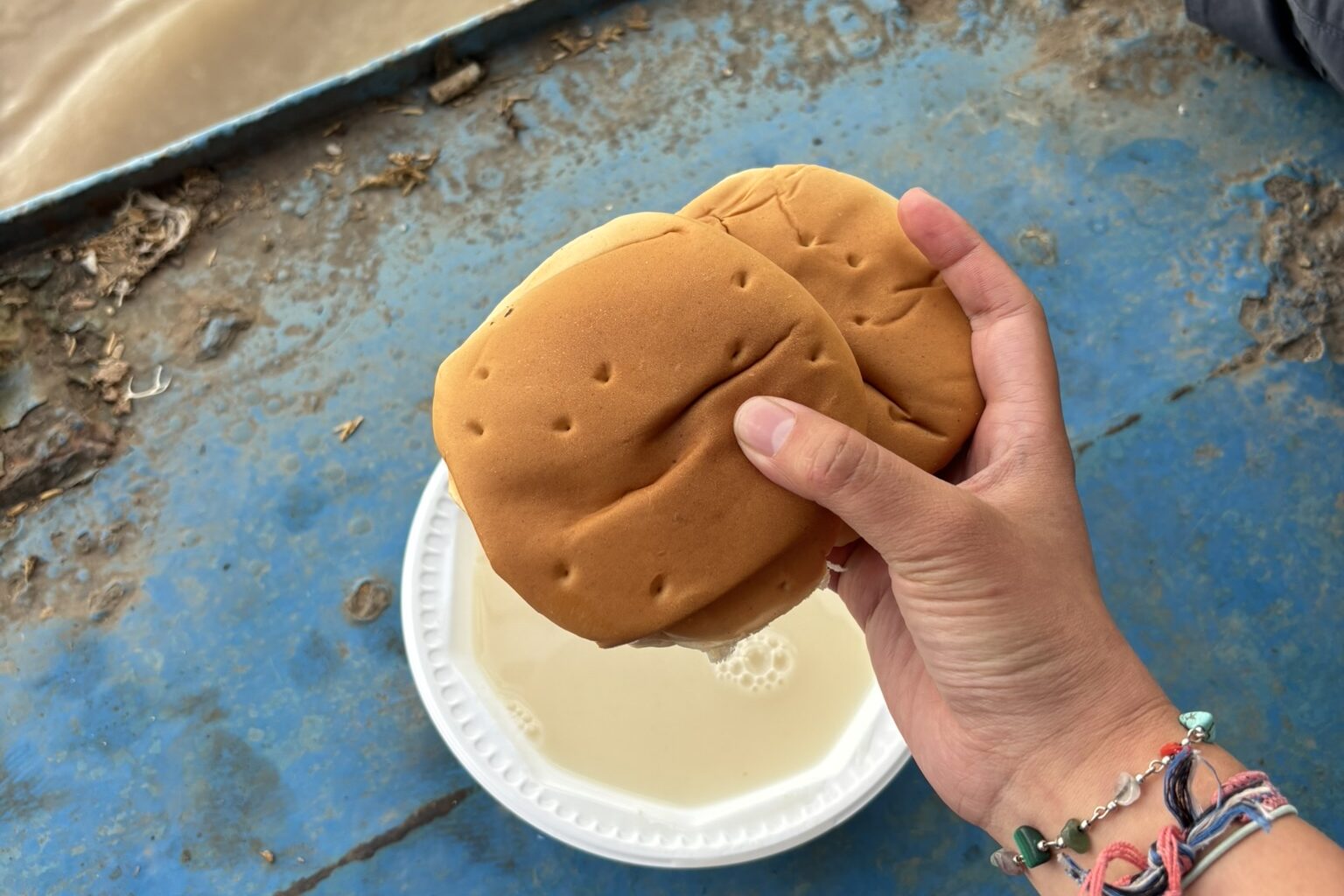
Breakfast was served around 6:30 a.m. Everyone lined up outside the kitchen on the second deck with their own food containers. Our tickets were checked every time we received a meal. Breakfast consisted of a thick, sweet milk-like soup and two slices of bread. It’s definitely one of those foods you’ll either love or hate.
Life on board was wonderfully simple. There wasn’t much to do besides reading, napping in the hammock, and watching the endless Amazon scenery drift by. Although I expected the Amazon to be hot and humid, the breeze on the river kept the temperature surprisingly comfortable.
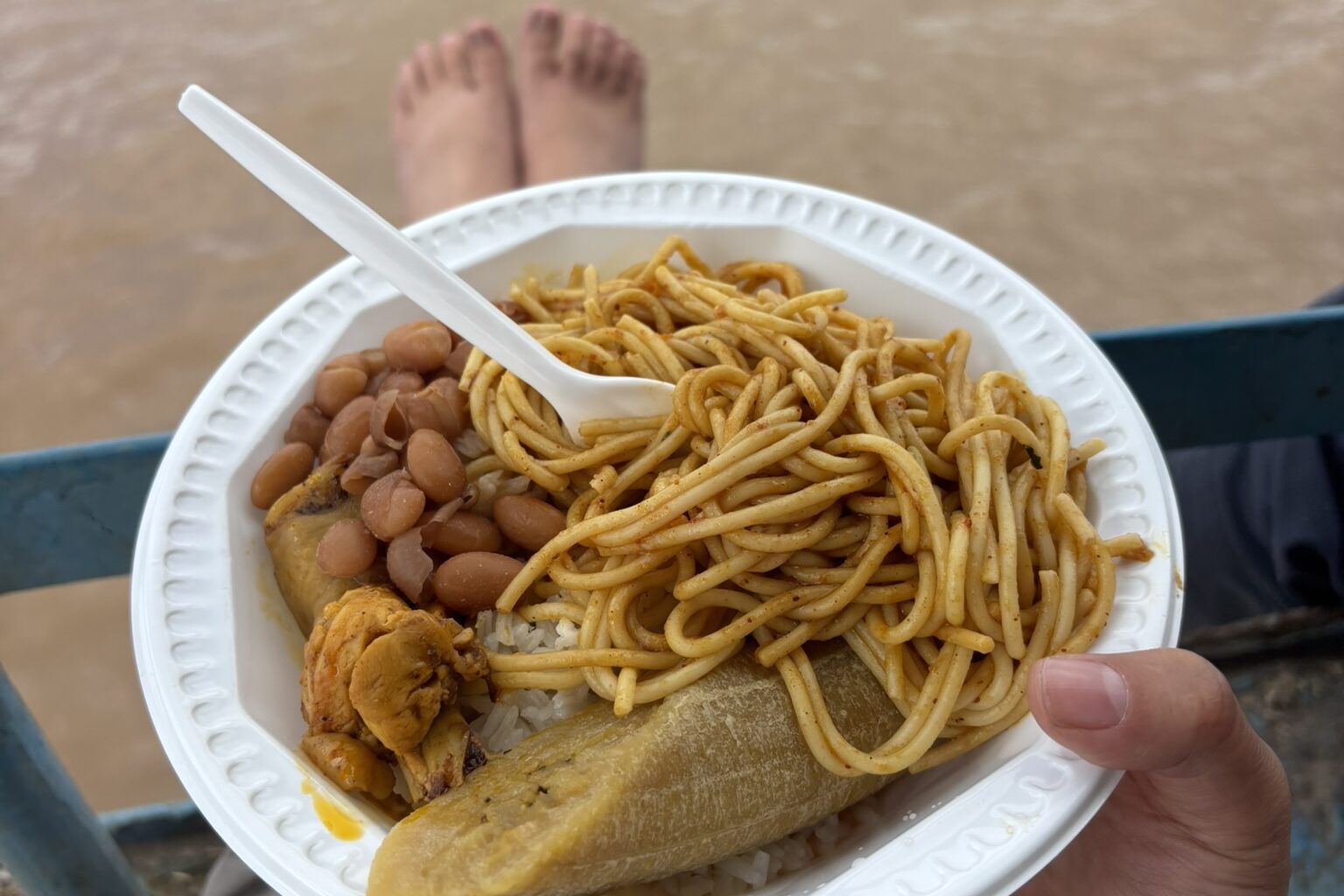
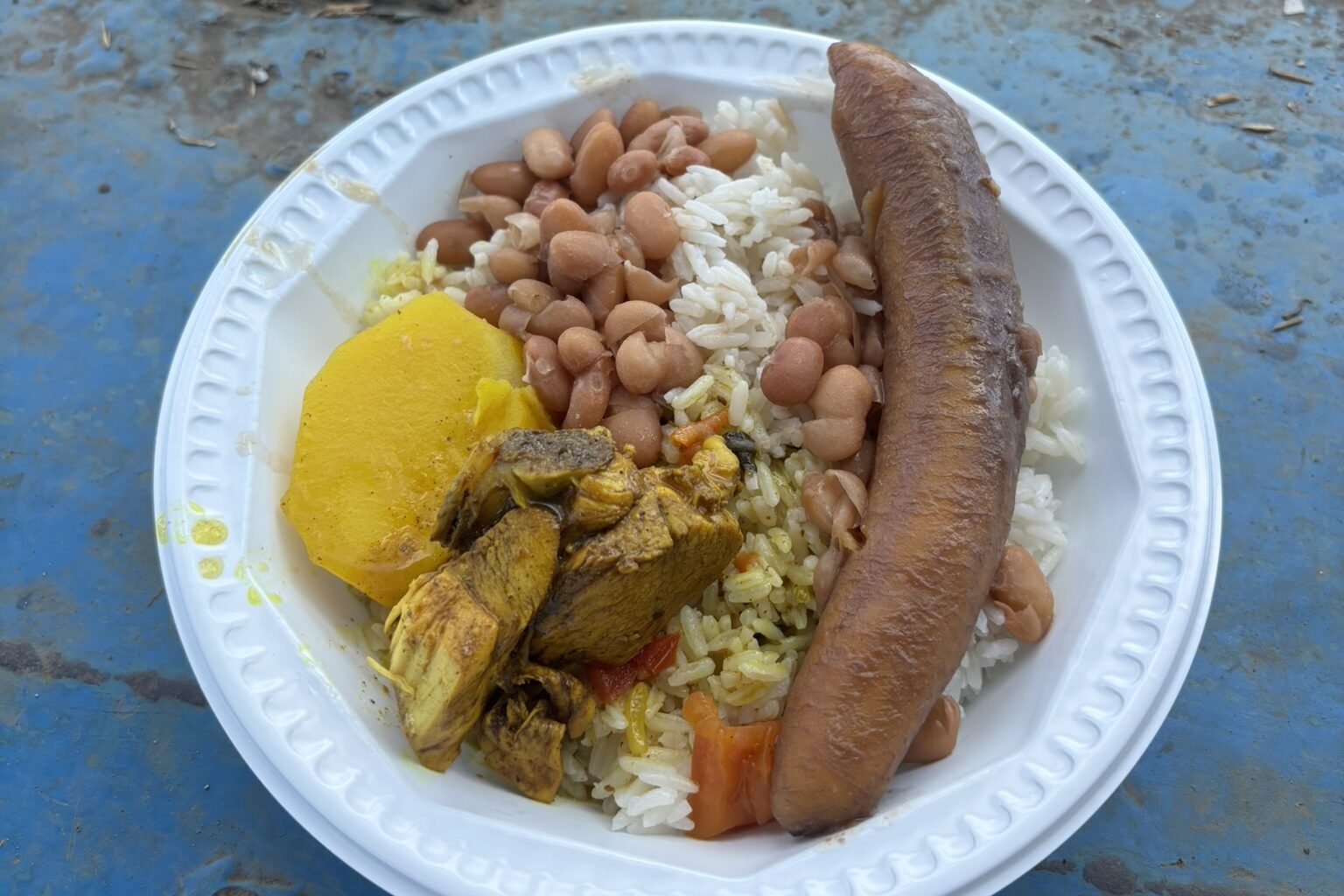
Around 11:30 a.m., someone began banging on a frying pan to announce lunch. That day’s meal included spaghetti, rice, beans, plantains, and chicken. There were no tables or chairs, so everyone sat on the deck to eat.
With plenty of free time, I explored the boat:
- First deck: livestock and cargo
- Second deck: cargo and kitchen
- Third deck: hammock area
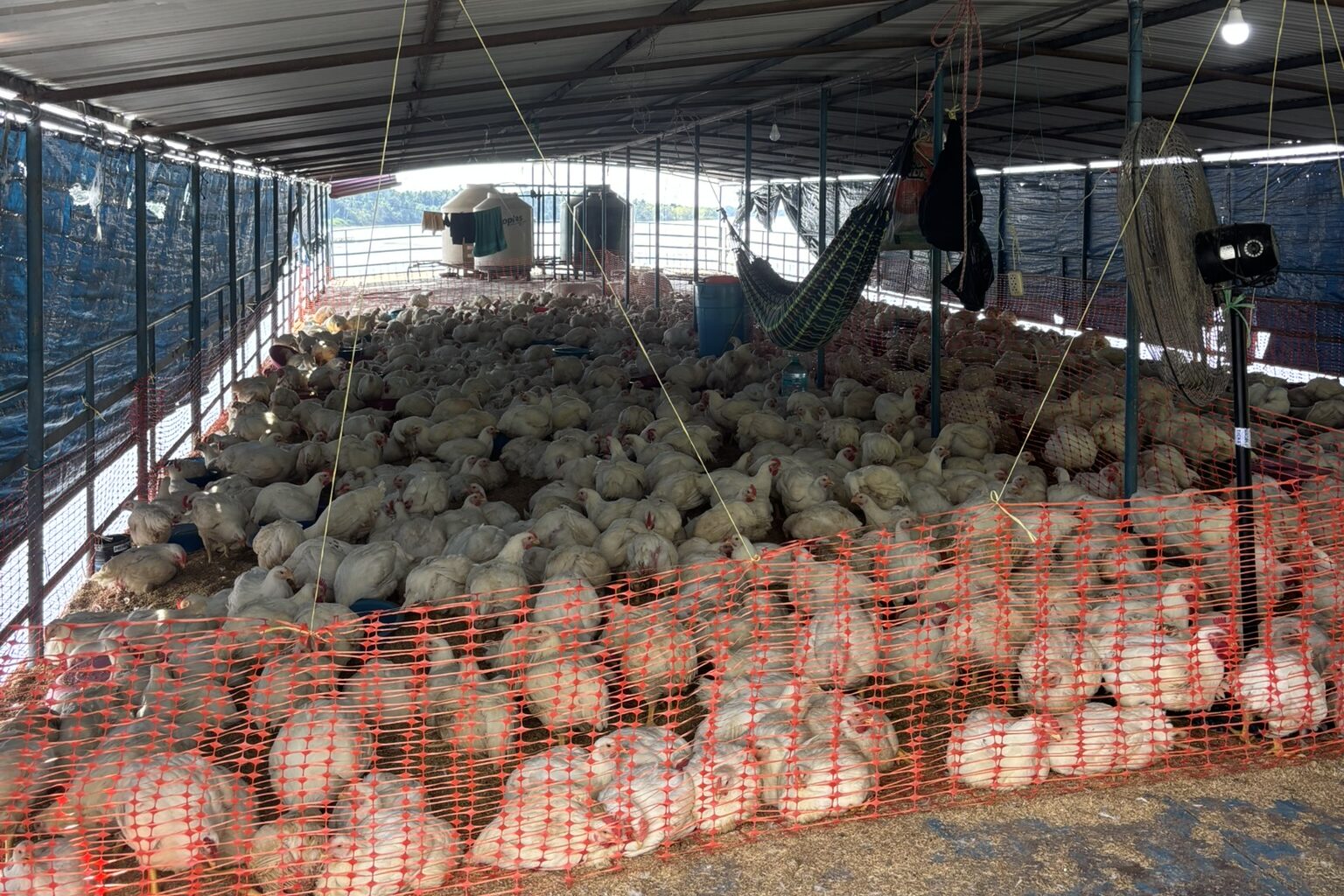
- Fourth deck: chickens and the captain’s cabin
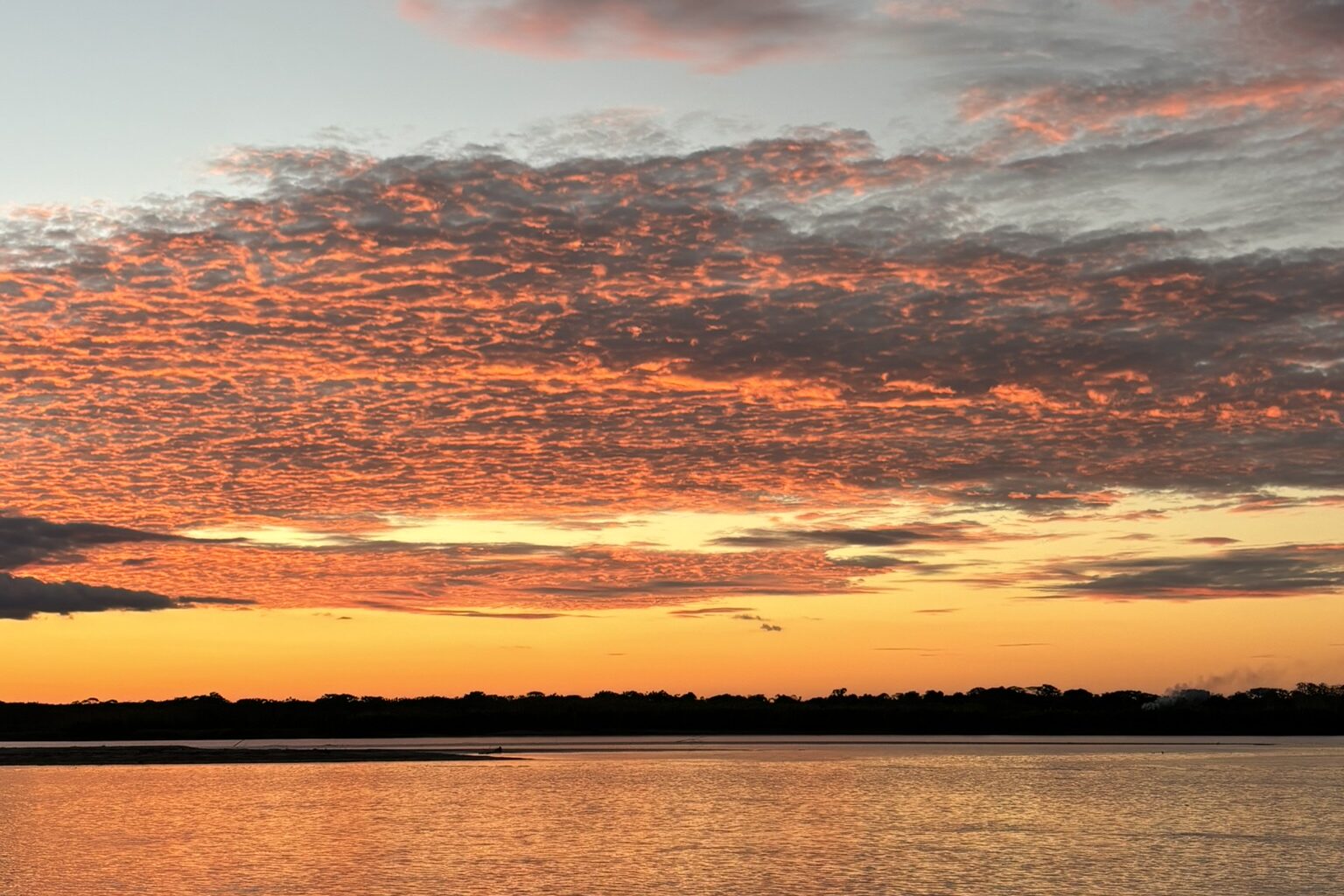
As evening approached, everyone gathered on deck to watch the sunset over the Amazon. The sky turned brilliant shades of orange and red—it felt like stepping into a National Geographic documentary.
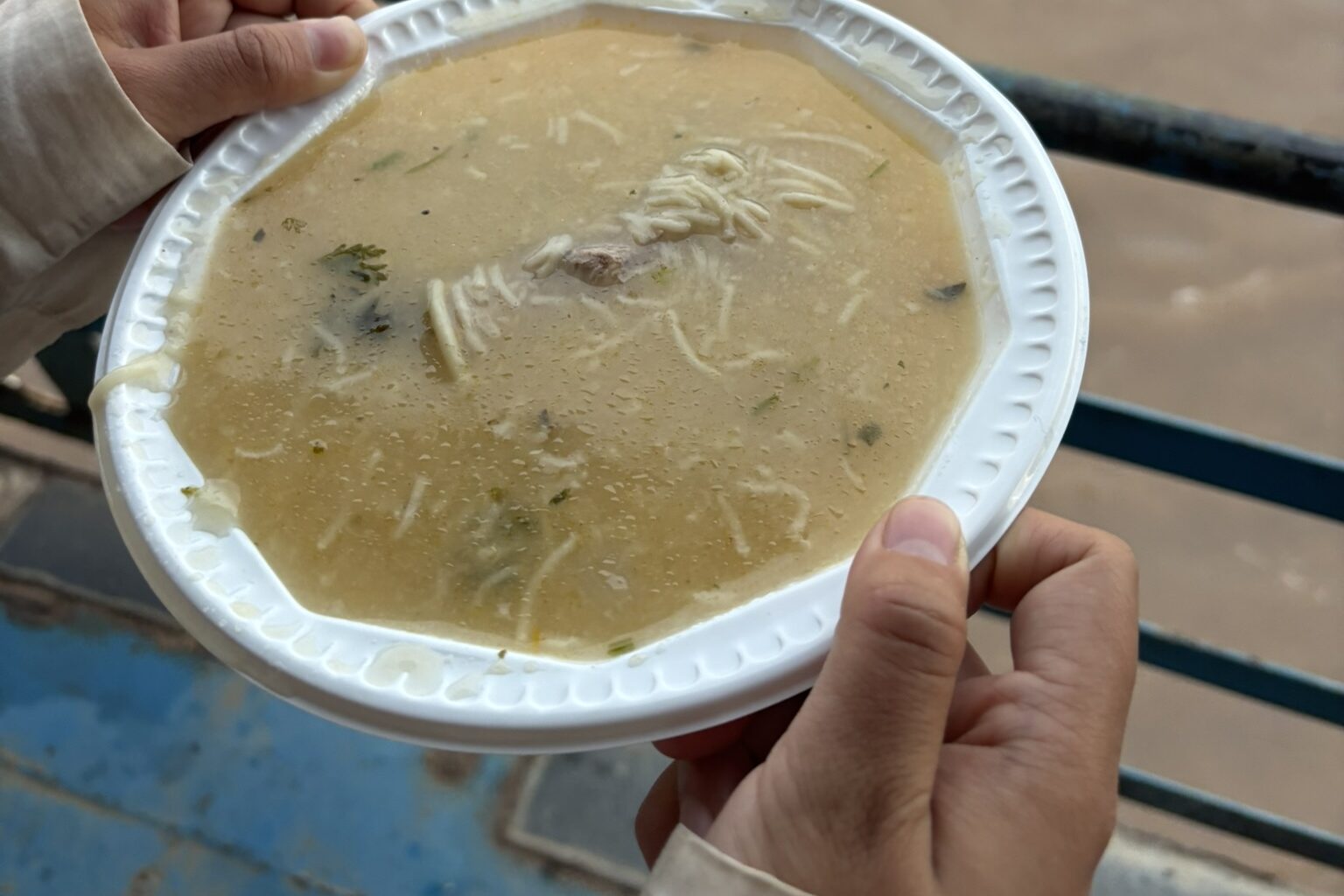
For dinner, we had noodle soup. The night was much colder than I expected. I wore a fleece jacket and used my down jacket as a blanket.
Day 2 – Life Along the Amazon
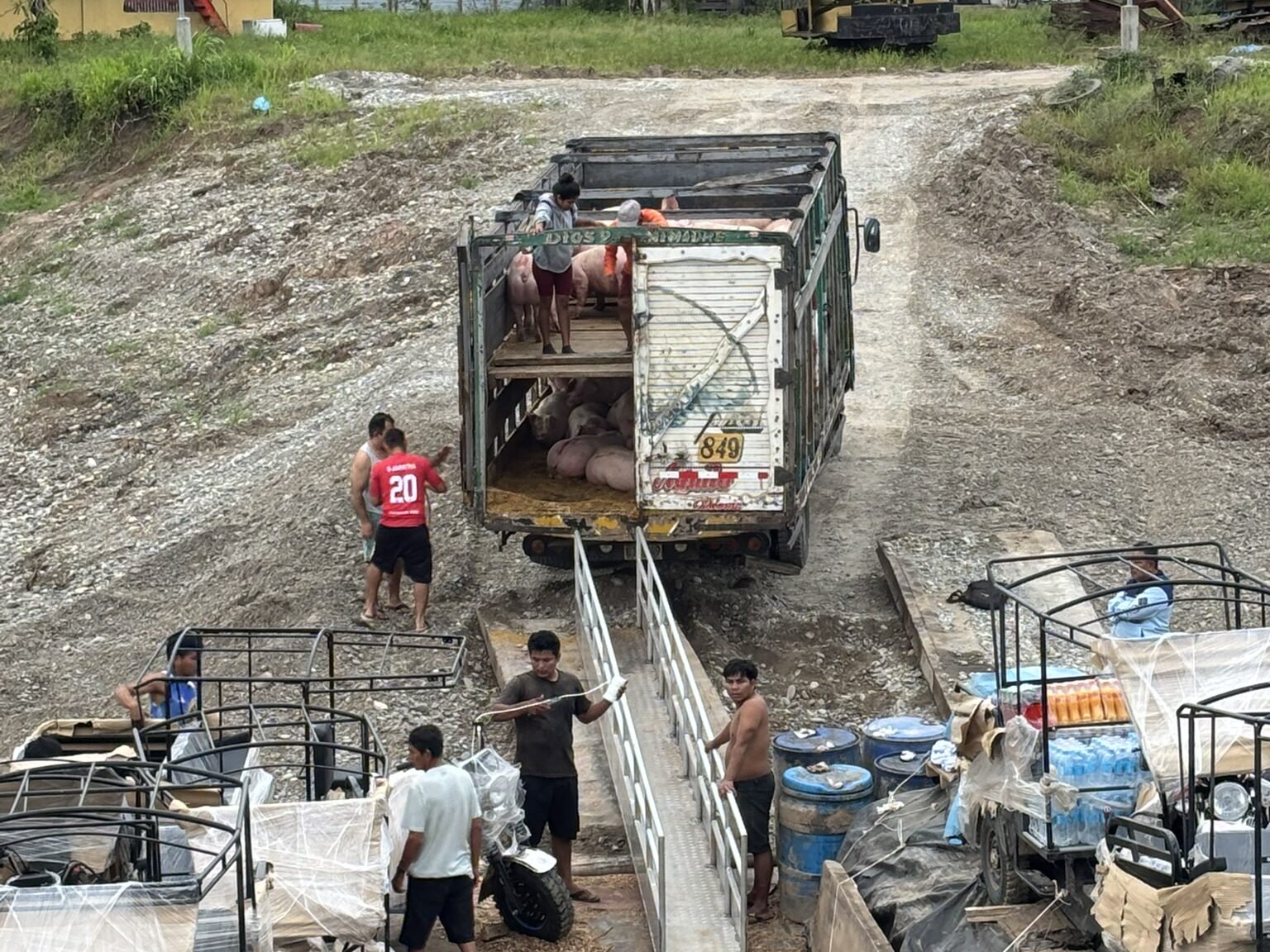
Throughout the day, the boat stopped at several riverside villages. People loaded pigs onto the boat and unloaded hundreds of chickens. It became clear that this wasn’t a tourist attraction—it was a vital lifeline connecting remote Amazon communities.
We were also lucky enough to spot both pink river dolphins and gray dolphins.
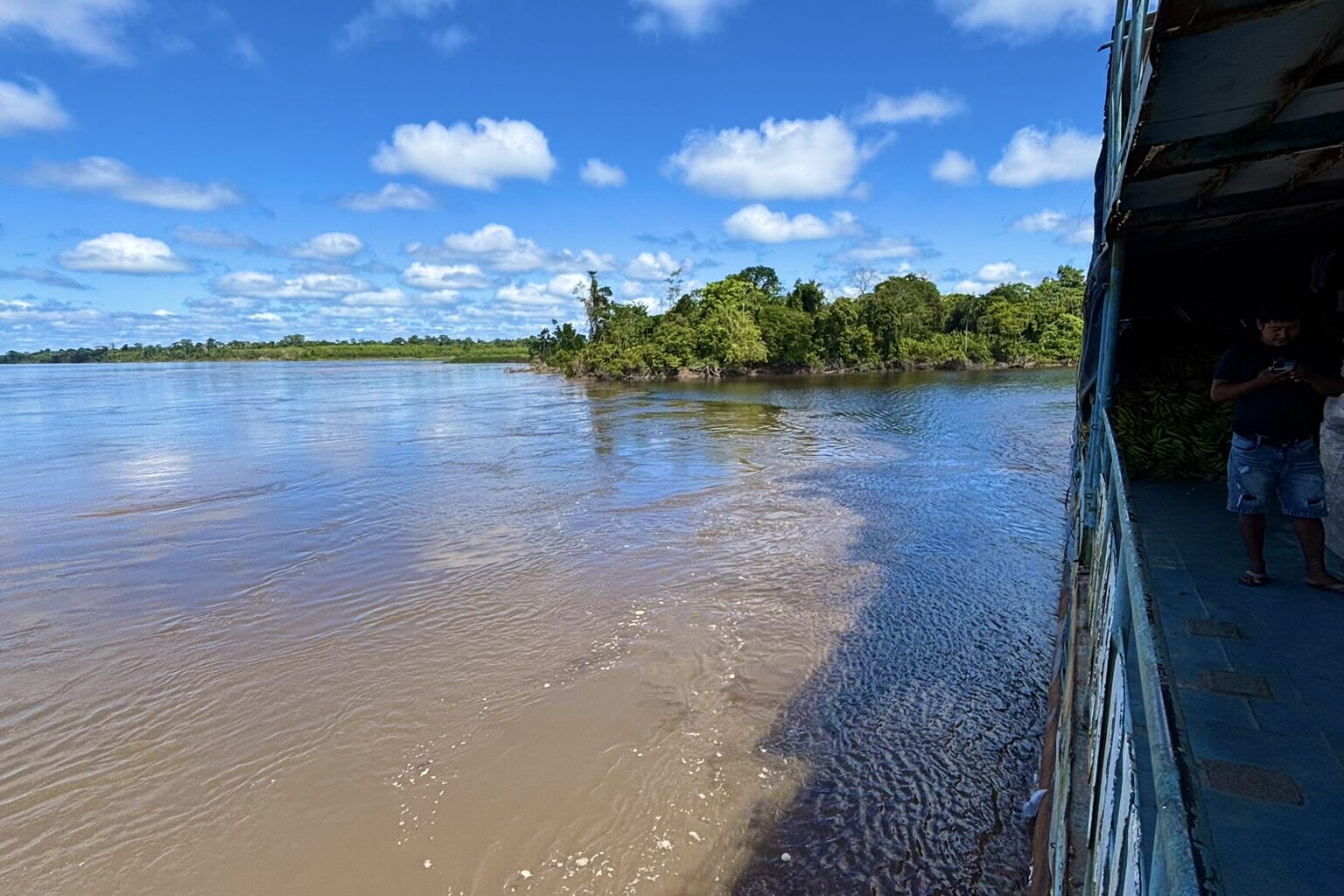
Another unforgettable sight was where two rivers of different colors met. One was dark brown, the other a much lighter shade, creating a fascinating contrast as they slowly blended together.
Lunch was similar to the day before: rice, beans, potatoes, chicken, and plantains.
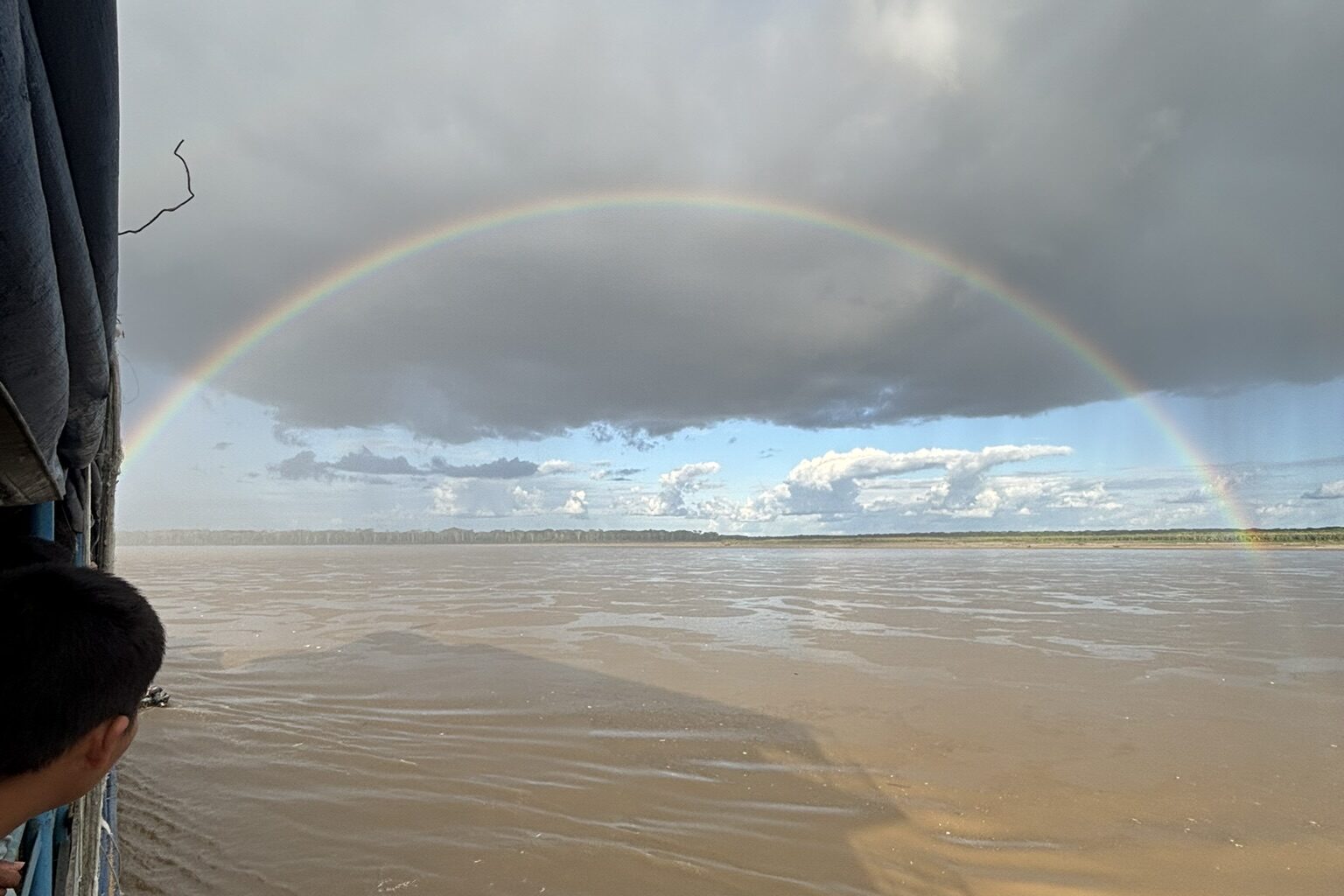
Later in the afternoon, a heavy tropical rainstorm passed through. As soon as it cleared, a perfect double rainbow stretched across the entire sky. You could even see where the rainbow touched the forest, making the trees appear to glow with every color imaginable. It was the most beautiful rainbow I have ever seen.
Day 3 – Arrival in Iquitos
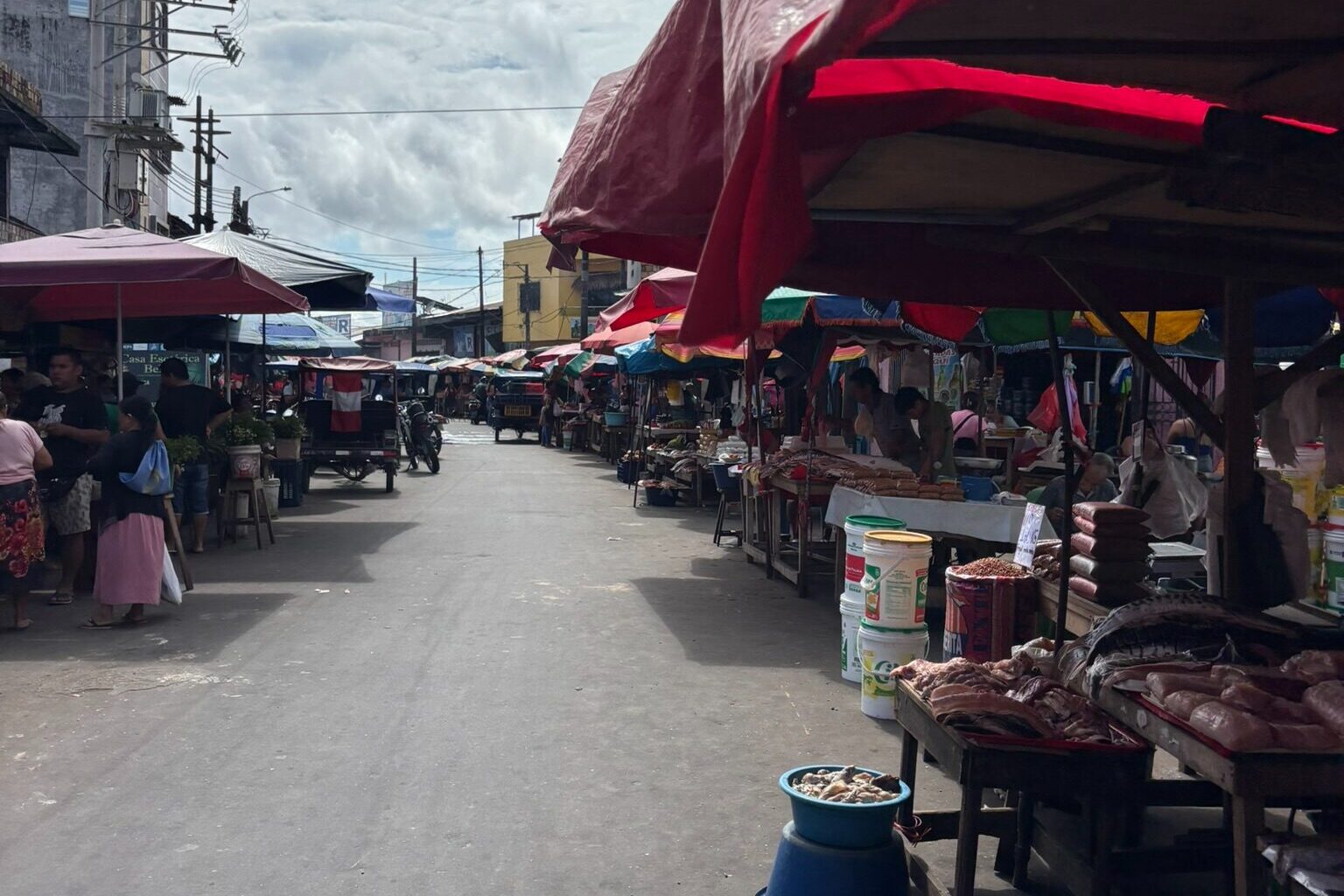
After breakfast, we spent one last relaxing morning on the river. Around 11:00 a.m., we finally arrived in Iquitos. From the port, we took a mototaxi into the city. The drivers usually quote tourists inflated prices, so be sure to negotiate before getting in.
Final Thoughts
Those three days on the Amazon River became one of the absolute highlights of my South America trip. With no internet and nowhere to rush to, time seemed to slow down. I spent my days napping in a hammock, reading, watching sunsets, searching for dolphins, and quietly observing everyday life along the Amazon. Even after several days, it still felt surreal that I was actually floating down one of the world’s greatest rivers.
This isn’t the fastest way to travel. But that’s exactly the point. Unlike flying, taking a bus, or riding a speedboat, an Amazon slow boat lets you enjoy the journey itself. If you value experiences over efficiency, I can’t recommend it enough.
If you ever find yourself traveling through South America, don’t miss the chance to spend a few unforgettable days aboard an Amazon hammock boat.