

Protests are nothing unusual in Bolivia.
Wage negotiations, fuel prices, pension reforms—whenever there is an issue, demonstrations and strikes quickly follow. Marches through major streets, protests in front of government buildings, and road blockades are all part of everyday life.
When we asked locals how long the protests would last, most people thought they would be over within a few days or, at worst, a week or two. That was the general attitude.
So we weren’t worried. It would blow over soon enough. At least, that’s what we thought.
We never imagined that the protests would escalate into one of the largest periods of unrest in years, leaving us stranded in La Paz for three weeks.
Table of Contents
The Sky City of La Paz
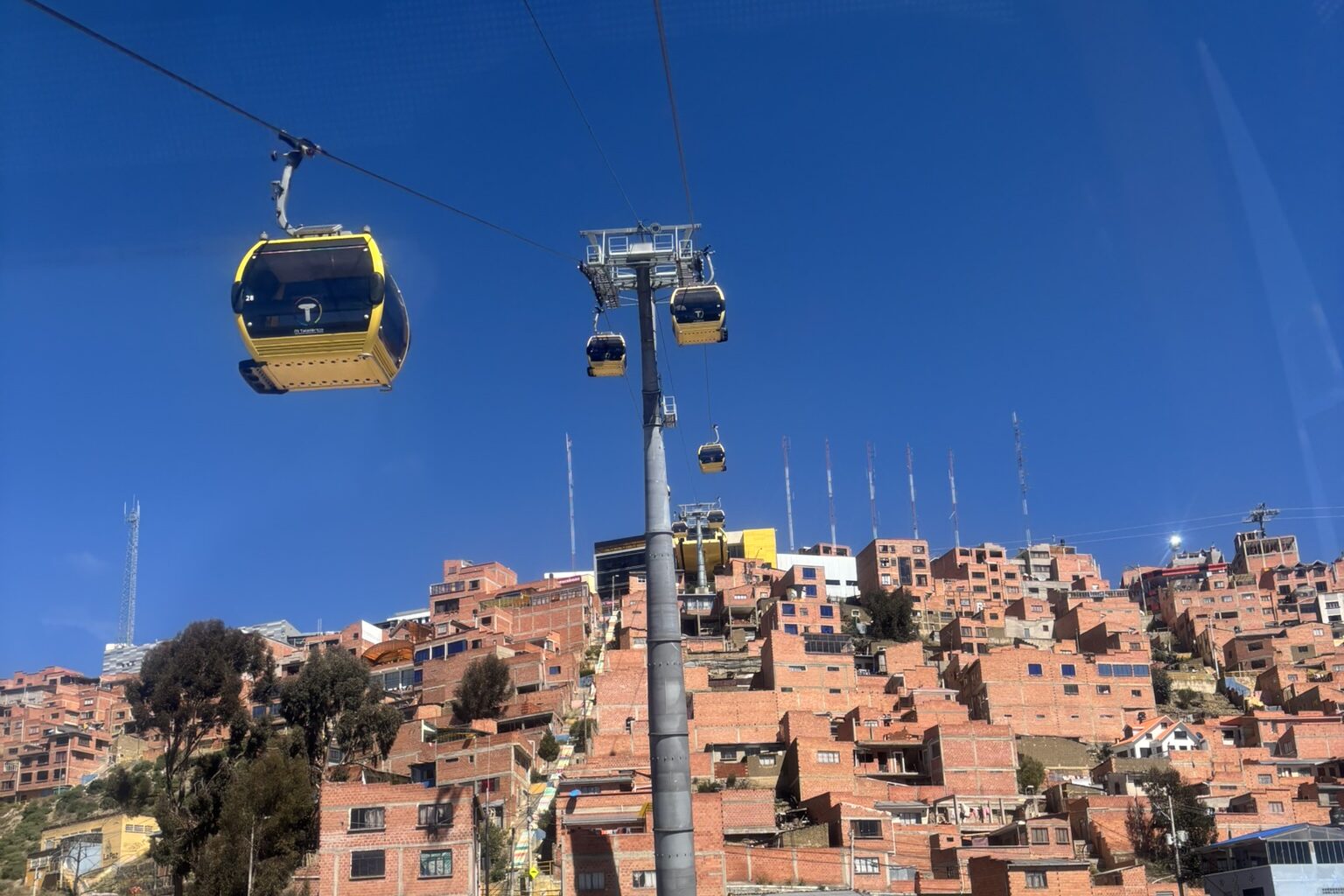
In early May 2026, we were in La Paz, Bolivia. La Paz sits at an elevation of approximately 3,650 meters (11,975 feet) above sea level. Often called the “Sky City,” it is one of the highest major cities in the world.
Although Bolivia’s constitutional capital is Sucre, the presidential palace, congress, and most government institutions are located in La Paz. In other words, it is the country’s de facto capital and political center. Naturally, it is also the epicenter of political demonstrations and strikes.
Timeline of the Bolivia Protests
May 5 — The Day the Buses Disappeared
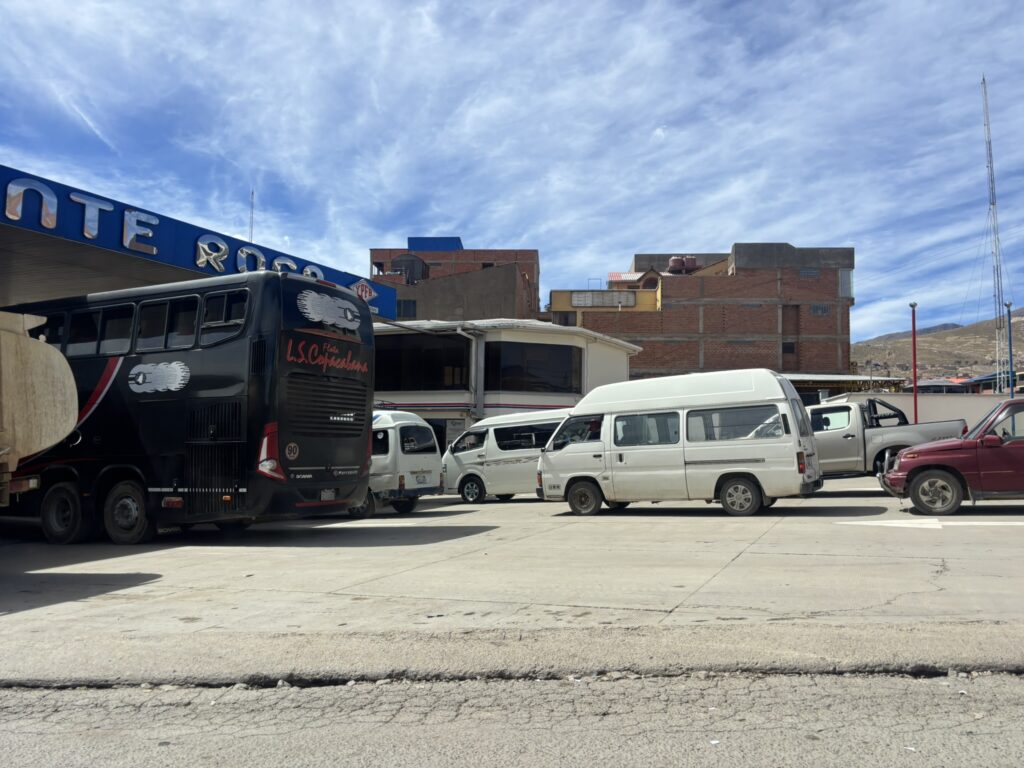
The first sign that something was wrong came on May 5. When we woke up that morning, almost all of the city’s buses and minibuses had disappeared. The bus drivers had gone on strike because of fuel shortages and rising fuel prices. To be honest, I sympathized with them.
Bolivia’s gas stations were unlike anything I had ever seen. Every station had enormous lines. According to locals, waiting two days just to fill up your tank was not uncommon. The wait was so long that many people simply left their cars in line and went home, and the cars sitting in line were often completely empty.
Apparently, the quality of the fuel was also poor. One local told me, “It looks like Coca-Cola.” Whether that was true or not, I can’t say. But I was told that vehicle breakdowns caused by poor fuel quality had become increasingly common.
May 7— The Siege of La Paz
On May 7, large-scale road blockades organized by labor unions began. Major roads surrounding La Paz were shut down one after another. Rocks were piled onto roads, tires were set on fire, and vehicles were parked sideways to block traffic. The goal was simple: physically prevent movement.
People who tried to cross the blockades were sometimes pelted with stones, while those maintaining the blockades camped on the roads and took turns standing watch throughout the night. As a result, all long-distance buses connecting La Paz with other cities were suspended.
Still, protests are a normal part of life in Bolivia. At the time, most locals remained optimistic. They told us, “This is normal. It’ll be over in a few days.” That was the prevailing view, so we decided to wait patiently until the protests subsided and bus services resumed.
May 14 — Real Dynamite
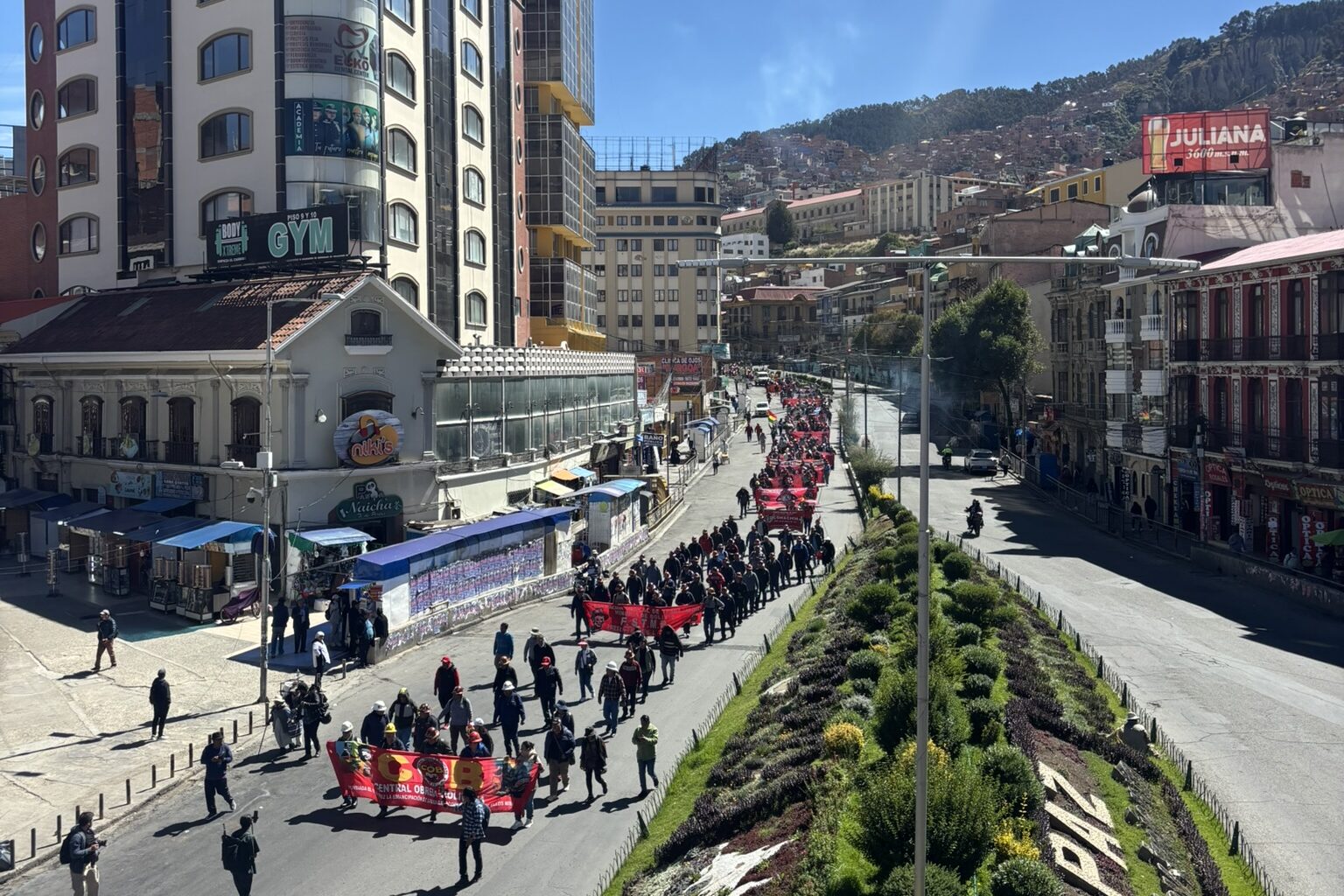
The turning point came in mid-May. At that stage, the situation began transforming into a full-blown political crisis. The government claimed that supporters of former president Evo Morales were behind the growing unrest.
I also heard rumors that some protesters were being paid unusually high compensation to continue participating. Whether those stories were true, I have no idea. But rumors were spreading everywhere. Not only labor unions but also Morales supporters joined the demonstrations, and large protests involving thousands of people began taking place in La Paz almost every day.
Then came May 14. It’s a day I’ll never forget.
Miners from across Bolivia gathered in La Paz. Their protests were unlike anything we had seen before. They brought real dynamite—the same explosives used in mining—and set it off near government buildings as part of the protest.
That day, I was walking about 100 meters from the presidential palace. It was a lively boulevard lined with restaurants and shops, filled with people going about their day. In the distance, I could see the miners protesting, but no one around me seemed particularly concerned. People were shopping, chatting with friends, and carrying on as usual. By that point, the sound of dynamite exploding in the distance had almost become part of daily life.
Then, in an instant—
BANG!
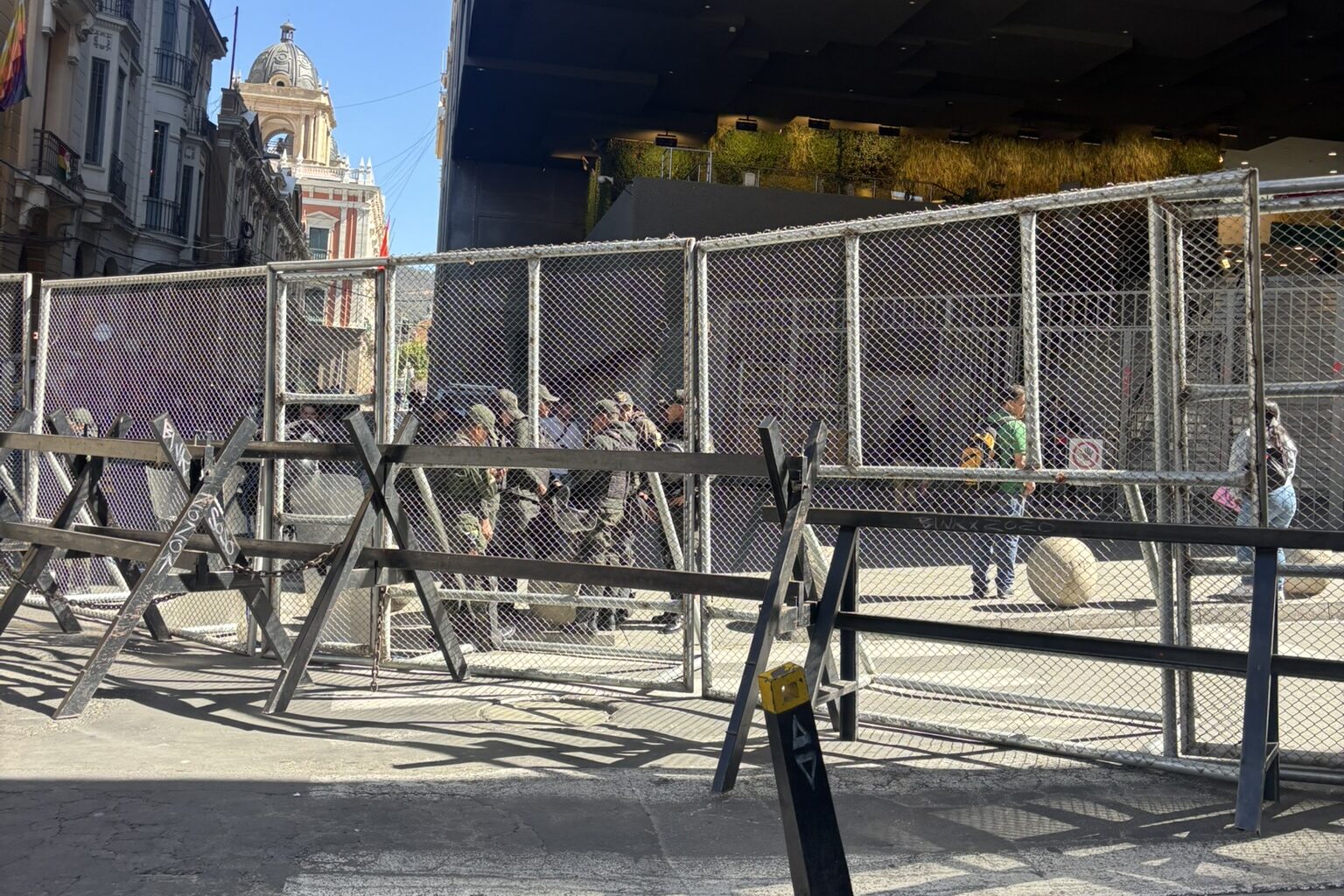
A sharp explosion echoed through the street. The people around me immediately started running. I froze, unable to understand what was happening. Then a local woman standing beside me shouted, “Run!” The moment I came to my senses, a tear gas canister landed about ten meters away, sending a cloud of white smoke into the air. Only then did I realize what was happening. The police had begun firing tear gas to disperse the protesting miners.
Realizing how dangerous the situation had become, I joined the crowd and ran as fast as I could. Fortunately, I managed to make it back to my hostel safely. The clashes between the police and the miners continued for hours that day, and the deep, booming sound of dynamite echoed across the city well into the evening.
May 15 — Hope, Then Disappointment
By this point, no one could predict what would happen next. Even the locals had stopped saying, “It’ll be over in a few days.” Instead, they would simply shrug and say, “I have no idea what will happen anymore.”
The unrest had spread into the tourist districts, and there were days when my eyes burned from tear gas drifting through the streets. Tourists began leaving the city by plane one after another, and La Paz felt noticeably quieter with each passing day.
Every morning, the first thing we did after waking up was check backpacker Facebook groups for updates. We clung to the hope that someone might have good news—that a road had reopened or that buses were running again. But day after day, there was nothing. Only more disappointment.
Then, finally, a glimmer of hope appeared. News broke that the government had launched a serious operation to reopen the blocked highways. Violent clashes erupted between the police and protesters, and reports began circulating that a few roads had finally reopened.
For the first time in days, we felt optimistic.
“Maybe it’ll all be over tomorrow.”
“Maybe the roads will reopen next week.”
We allowed ourselves to believe that we might finally be able to leave.
But the hope didn’t last long.
After hours of fighting, the police and military managed to clear several roads—only for protesters to block them again within a matter of hours.
It was frustrating. Just when we thought there was finally a way out, we were back where we had started.
Deciding to Escape
On the night of May 17, we finally gave up waiting. We booked a flight from La Paz to Cusco for May 22. The ticket cost around USD 350—an astonishing price for a flight that would take just one hour. But we had no other choice.
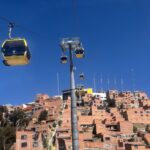
At 6 a.m. on May 22, we left our hostel. We set out early in the hope of avoiding any demonstrations or new road blockades. First, we took the cable car to El Alto, then walked the rest of the way to the airport. With the roads blocked, buses were, of course, no longer running.
El Alto has a reputation for having a higher crime rate than much of La Paz, and at the time it was also one of the main centers of the protests and clashes with police. As a result, we spent the entire walk feeling on edge.
We didn’t see a single other tourist. As we walked through the neighborhood, people kept staring at us, making us feel more and more out of place.
After walking for about 40 minutes, we finally reached the airport terminal. I still remember the overwhelming sense of relief I felt the moment we stepped inside.
Looking Back
In the end, leaving Bolivia when we did turned out to be the right decision. After we left, the situation continued to deteriorate, and the country began facing increasingly severe shortages of food, fuel, and medicine. Schools also switched to online classes. Many described the situation as Bolivia’s most serious period of unrest since the political crisis of 2019.
According to experts, the crisis was driven by a combination of factors, including a severe shortage of U.S. dollars, fuel shortages, inflation and the rising cost of living, public frustration over government subsidies, and political conflict between supporters of Evo Morales and the current administration. It no longer felt like just another protest. Instead, it seemed to be the result of years of economic hardship and political tensions finally boiling over.
Looking back, arriving in La Paz just as this historic wave of protests began was incredibly unfortunate. Even so, those three weeks stranded in La Paz were far from wasted.
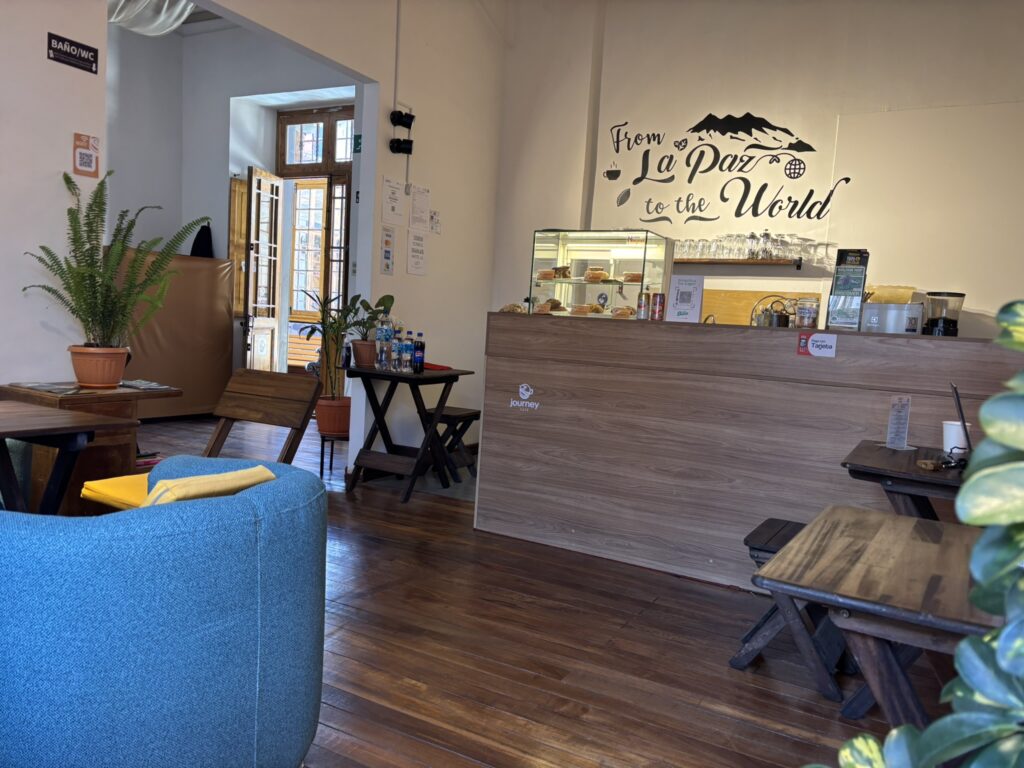
With nowhere to go, I spent my days sitting in cafés, drinking coffee and waiting for news. One afternoon, I suddenly had an idea: why not start a travel blog? Throughout my travels, I had already experienced countless unexpected problems and misadventures. “Maybe it would be interesting to share those stories.” That thought led me to build this blog from scratch and publish it on a whim.
If those protests had never happened, this blog probably wouldn’t exist. Looking back, maybe there really is no such thing as a wasted experience when you travel. Those three weeks stranded in La Paz have become one of the most unforgettable parts of my journey.

So cool