Traveling overland from Guatemala City to El Salvador is surprisingly straightforward. While direct shuttle buses offer a convenient option, budget travelers and backpackers can significantly cut transportation costs by using local buses to cross the border atLas Chinamas (Frontera Las Chinamas / Valle Nuevo).
This guide details the exact step-by-step route I took in 2026 to travel from Guatemala City to Concepción de Ataco (Ataco), El Salvador, using local chicken buses and minivans.
Table of Contents
Route Overview & Total Cost
The complete travel route for this journey is: Guatemala City → Jalpatagua → Guatemala–El Salvador Border( Frontera Las Chinamas ) → Ahuachapán → Ataco.
While transferring between chicken buses, minivans, and local transport takes longer than taking a direct shuttle, it is drastically cheaper and offers a truly authentic Central American travel experience.
Total Cost: ~$8.50 USD per person (Budgeting $10 USD is plenty)
Total Travel Time: ~5 hours (excluding transfer wait times)
Route Breakdown
Leg
Transportation
Cost
Duration
Guatemala City → Jalpatagua
Chicken Bus
Q50 (~$6.40)
~3 hrs 30 mins
Jalpatagua → Border
Minivan
Q10 (~$1.30)
~30 mins
Guatemala Immigration → El Salvador Border
On Foot
Free
~10 mins
Border → Ahuachapán
Minibus
$0.41 USD
~30 mins
Ahuachapán → Ataco
Local Bus
$0.25 USD
~30 mins
Total
~$8.50 USD
~5 hrs 10 mins + transfers
Leg 1: Guatemala City to Jalpatagua
Your journey begins by heading from Guatemala City toward Jalpatagua.
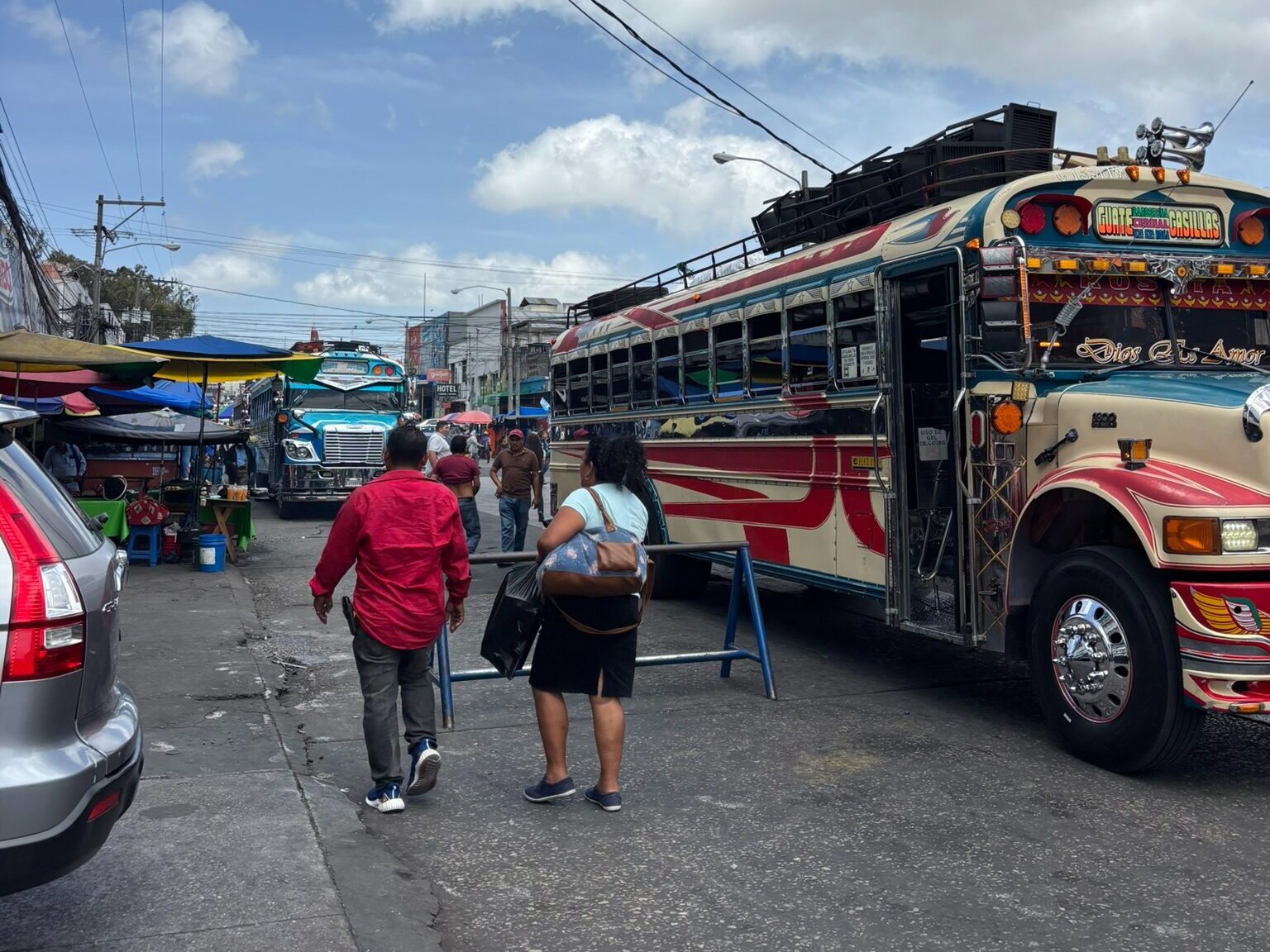
Guatemala City does not have a single centralized long-distance bus terminal. Instead, local buses depart directly from the streets around the large market in Zone 9. For easy navigation, search for “Pollo Campero • Terminal” on Google Maps.
Look for buses heading toward the border (Frontera). However, note that direct buses all the way to the border run infrequently. After waiting an hour and a half for a direct bus that never arrived, I learned that you don’t need to wait for one. Simply board a bus bound for Jalpatagua and transfer there.
The ride to Jalpatagua is on a chicken bus—a brightly painted, retired U.S. school bus modified for local transit. The fare is 50 Quetzales (Q50) per person. Because the bus stops frequently to pick up and drop off passengers, the journey takes around 3.5 hours.
Leg 2: Jalpatagua to the Guatemala–El Salvador Border
Once you arrive in Jalpatagua, transfer to a border-bound minivan.
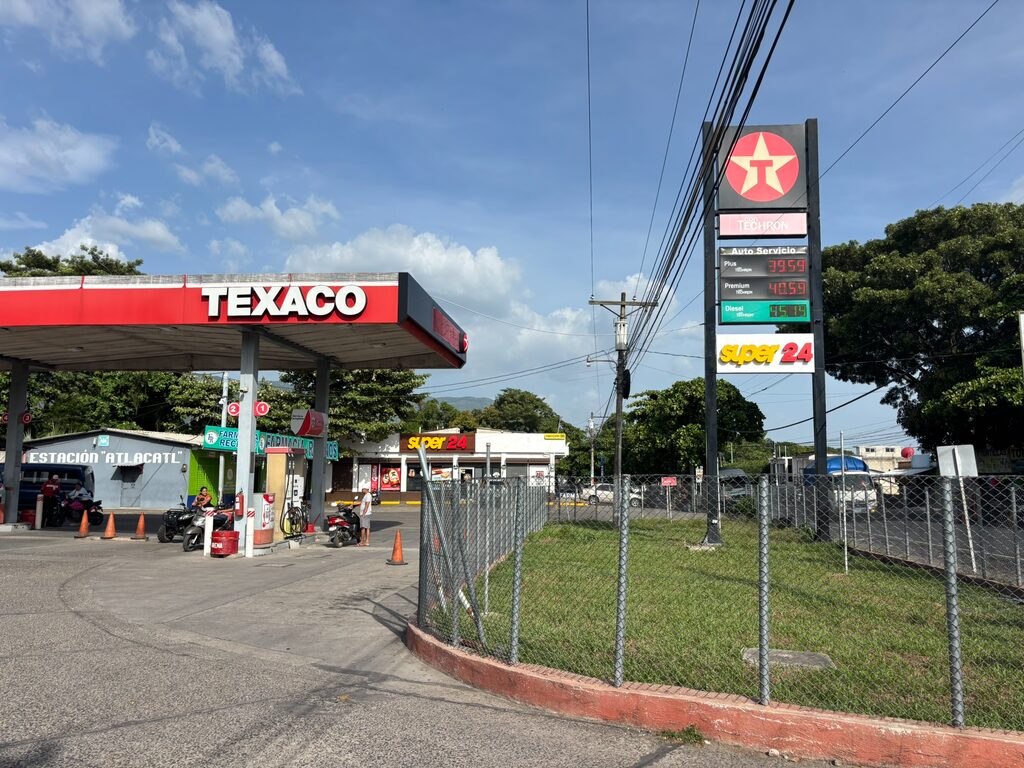
The minivan departure point is located near a gas station, roughly a 5-minute walk from where the chicken bus drops you off.
📍gas station – Texaco
Minivans depart as soon as they are full. The fare is 10 Quetzales (Q10) per person, and the drive to the border takes about 30 minutes.
As you approach the border, money changers may approach you to offer currency exchange. However, since there are ATMs available near the El Salvador immigration office, you can safely skip trading cash on the street.
Leg 3: Border Crossing (Immigration)
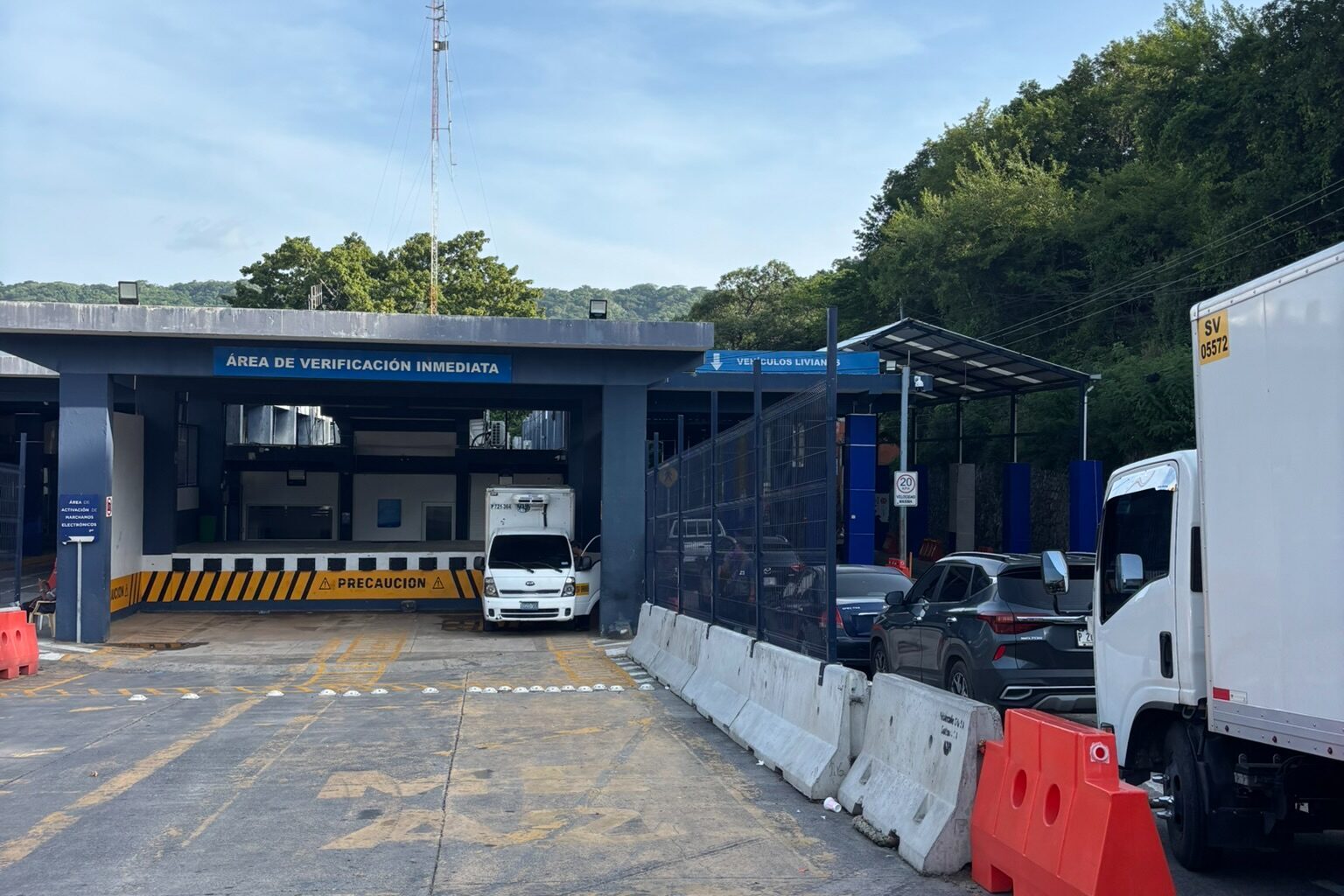
At the Guatemalan immigration checkpoint, exit processing was fast and hassle-free with virtually no line.
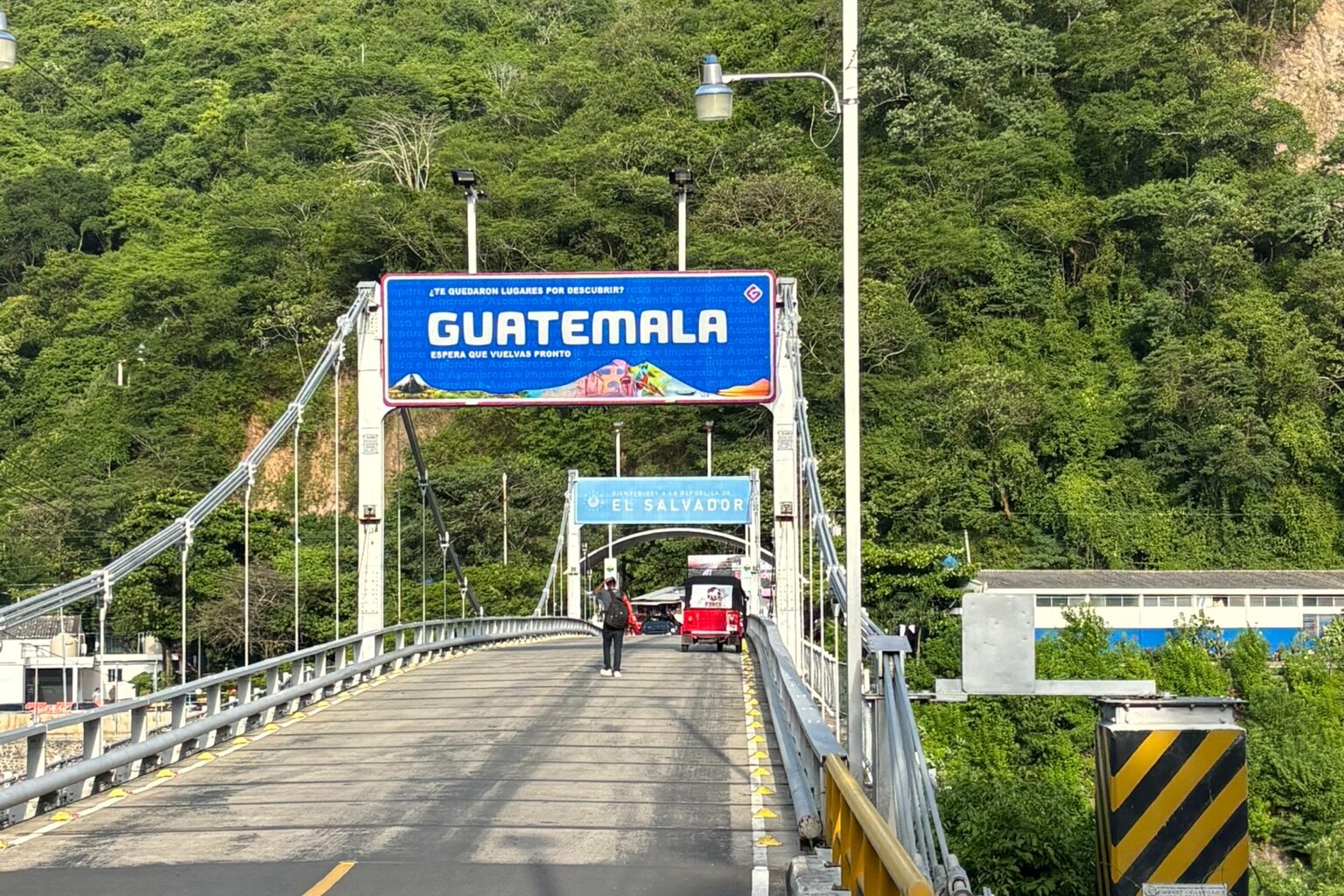
From the Guatemalan exit station, you walk across the border on foot. The walk between the two immigration posts takes about 10 minutes.
This border crossing was surprisingly tranquil—we were almost the only people walking across. The path winds through lush greenery, leading to a bridge over a gently flowing river. Compared to the tense atmosphere often associated with international borders, this walk felt relaxed and peaceful.
After crossing the bridge, you arrive at El Salvador immigration. Entry processing was quick, straightforward, and handled by friendly border staff.
Money Tip: ATM at the El Salvador Border
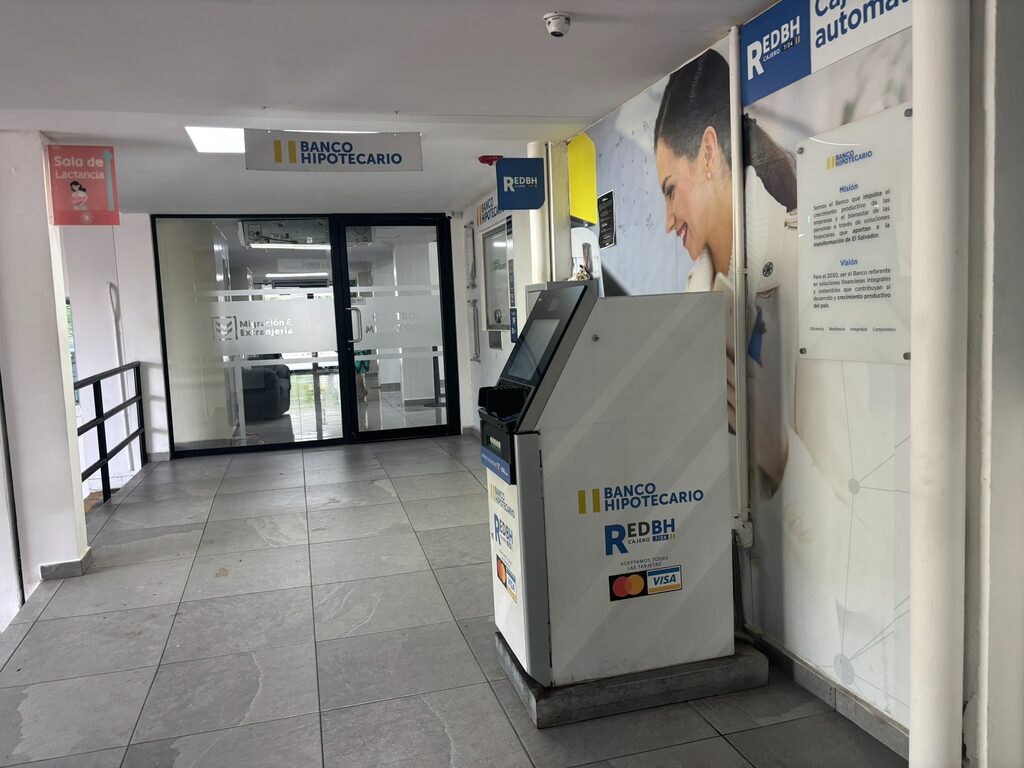
Just outside El Salvador immigration, you will find a Banco Hipotecario ATM.
At the time of my trip, this ATM charged zero withdrawal fees (with a maximum withdrawal limit of $150 USD per transaction). Since El Salvador uses the US Dollar, this is an ideal place to grab cash as soon as you enter the country.
Leg 4: Border to Ahuachapán
From the El Salvador side of the border, the nearest major transit hub is Ahuachapán.
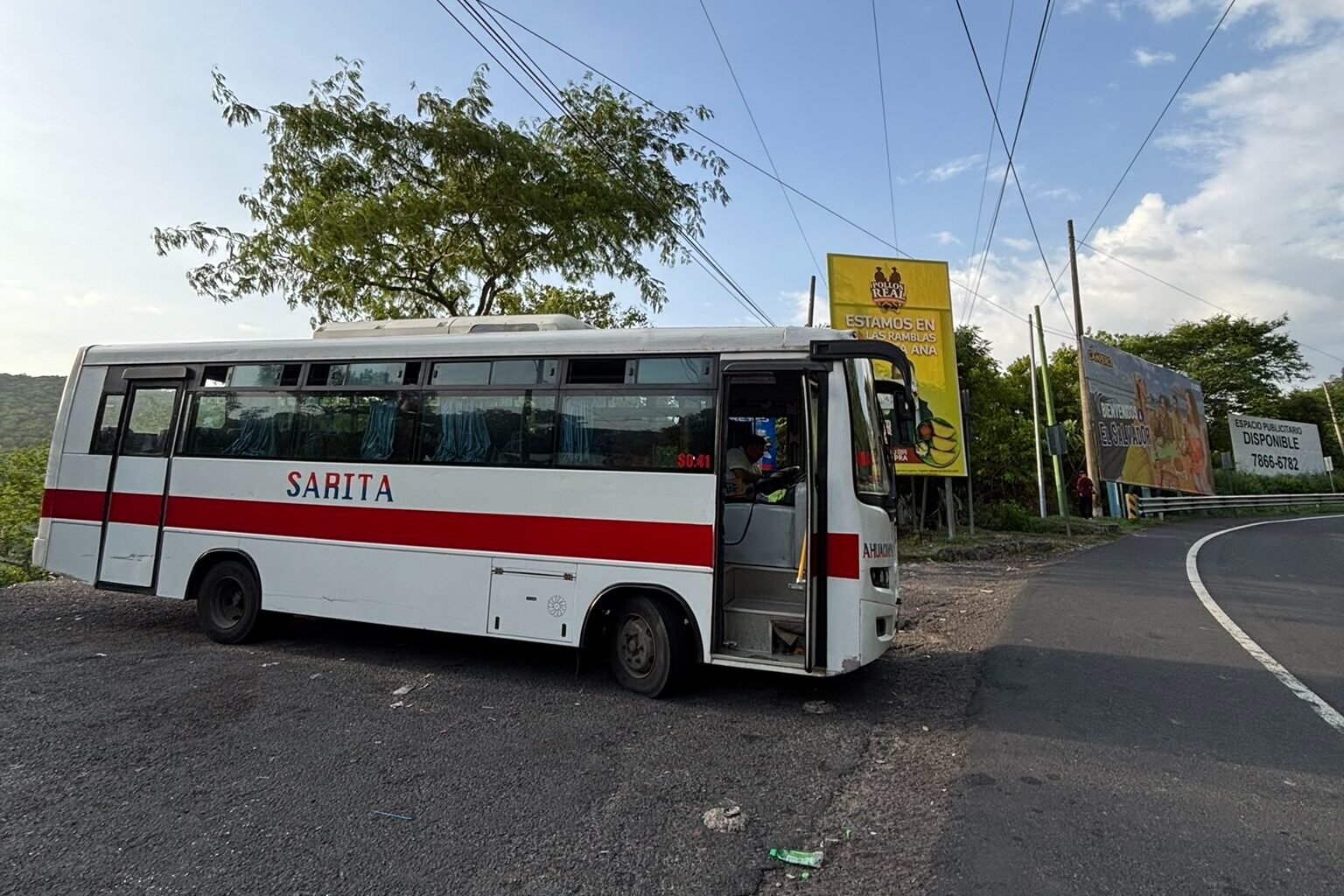
To catch a minibus to Ahuachapán, walk about 300 meters uphill from the immigration building. The fare is $0.41 USD per person. Minibuses run frequently (about every 15 minutes), and the ride takes around 30 minutes.
Leg 5: Ahuachapán to Concepción de Ataco
From Ahuachapán, you can transfer to local transport heading to your final destination along the Ruta de las Flores. I headed to Concepción de Ataco (Ataco), one of El Salvador’s most charm-filled mountain towns.
The bus stop for Ataco is about a 15-minute walk from where the minibus drops you off in Ahuachapán. Local buses to Ataco cost $0.25 USD per person and depart when full. The final leg up to Ataco takes roughly 30 minutes.
Summary & Essential Tips for Backpackers
Don’t wait for direct buses: The most important tip for this route is not to waste time waiting for a rare direct bus from Guatemala City to the border. Take the first bus to Jalpatagua and transfer to a minivan there.
Flexibility is key: Local buses and minivans depart only when full. Schedules are fluid,so allow plenty of buffer time for your travel day.
Unbeatable savings: The total transport cost from Guatemala City to Ataco comes out to roughly $8.50 USD (budgeting $10 USD is more than sufficient).
While direct shuttle buses are more straightforward, taking local transit is vastly cheaper and delivers a memorable, authentic Central American overland journey.
chiharu
During my time as a web engineer in Tokyo, I began to question whether I would stay in the same place forever. That thought eventually led me to start backpacking in 2024. Now I continue to travel while working as a freelancer and using working holiday visas.