
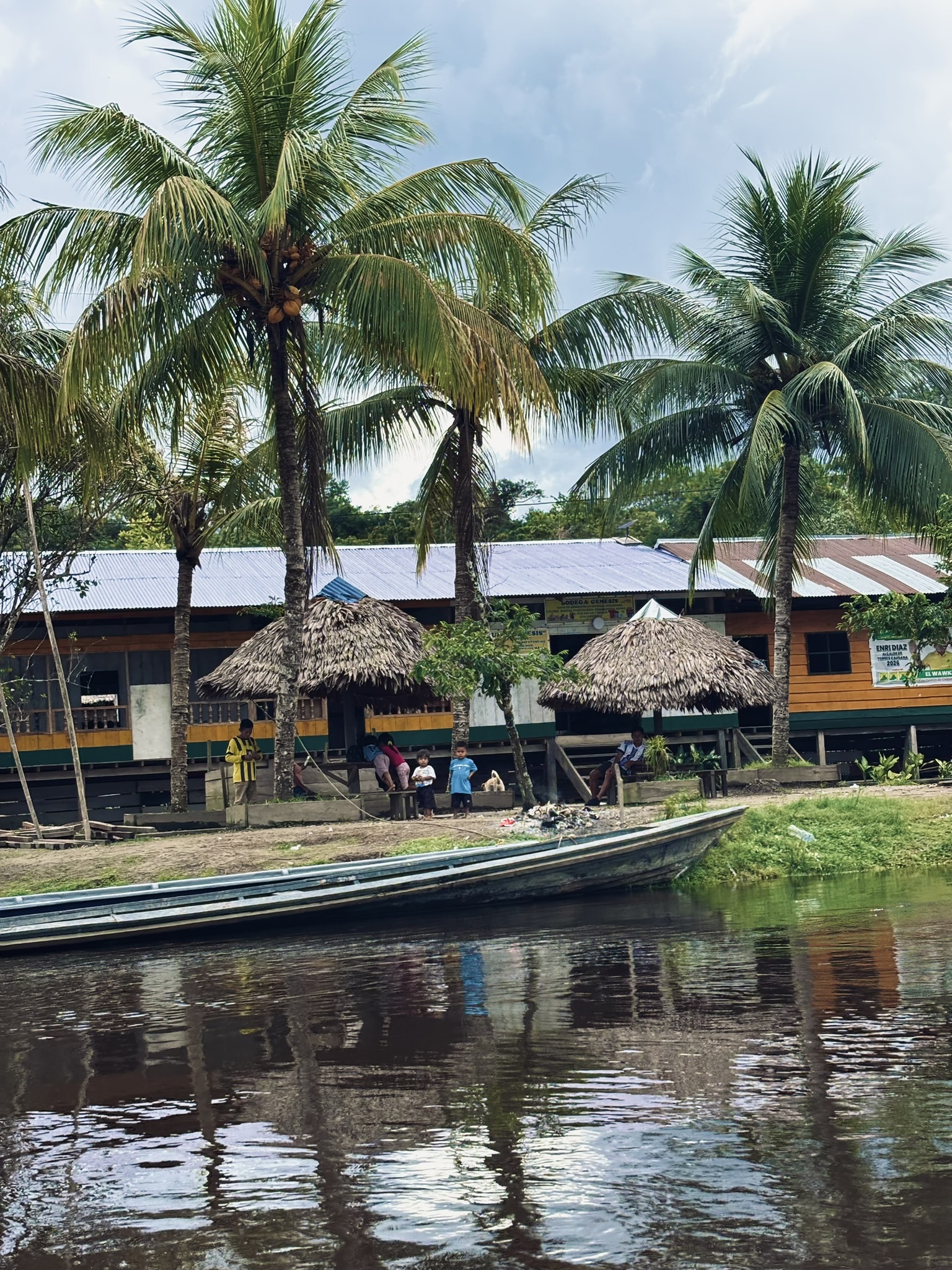

When traveling from Peru to Ecuador overland, most travelers take the coastal bus route.
However, we were in Iquitos, deep in the heart of the Amazon. Since we were already surrounded by the Amazon rainforest, we wanted to take a different route — traveling upriver and crossing the border into Ecuador by boat.
But when we started researching, we quickly realized something: There was almost no information available online about traveling from Iquitos to Ecuador by boat. Most backpackers traveling from Iquitos head toward Brazil or Colombia, so this route is rarely documented. After searching extensively, we could barely find any useful information, and the only detailed blog post we came across was from around 2018.
That is why we decided to write this guide based on our own experience crossing from Iquitos, Peru, to El Coca, Ecuador, by boat in 2026.
In this article, we will cover:
- The route
- Schedule and travel time
- Costs
- Border crossing procedures
- Our real travel experience
- Things you should know before going
If you are looking for a more adventurous way to cross from Peru to Ecuador through the Amazon, we hope this guide will help you plan your journey.
Table of Contents
1. Route: Iquitos to El Coca by Boat
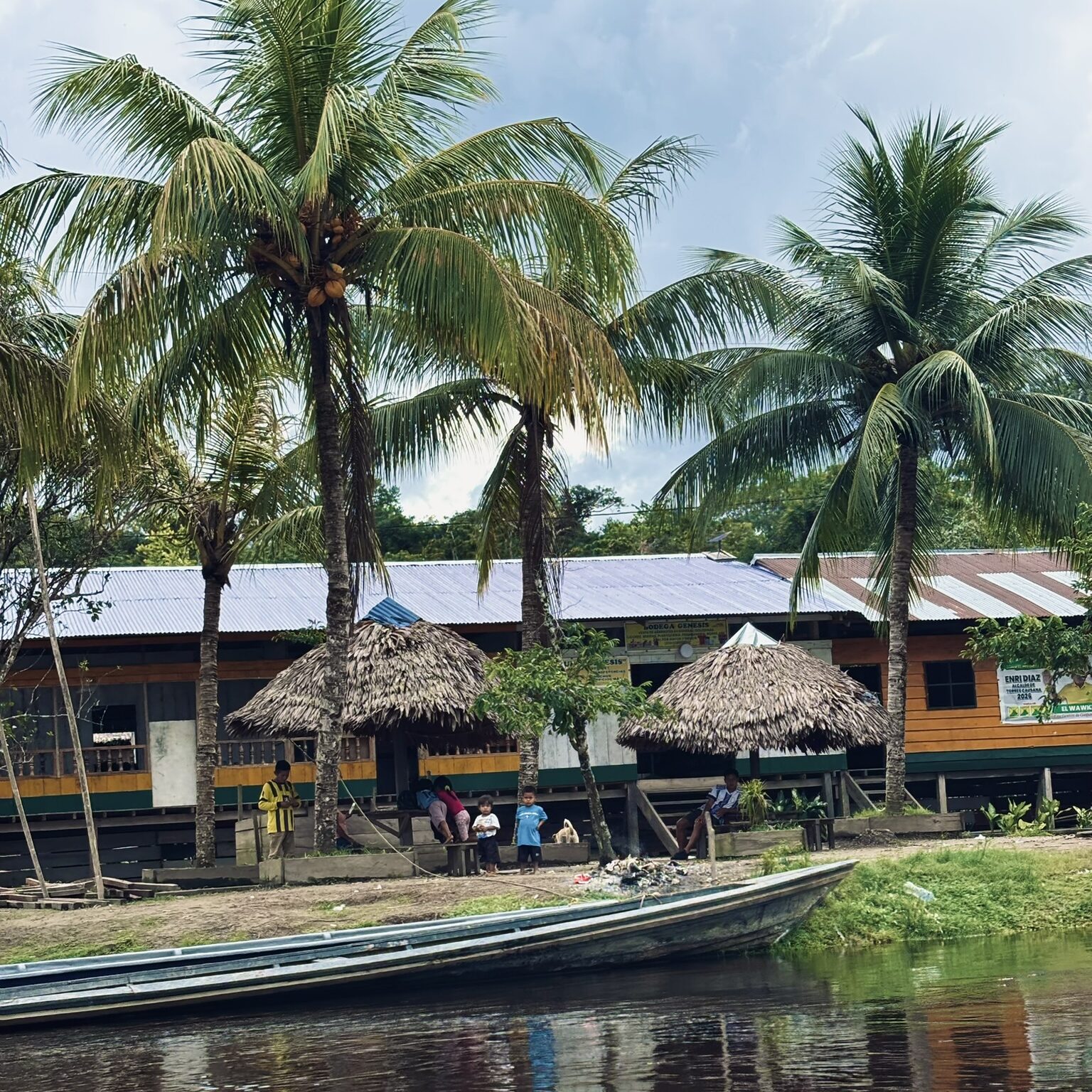
The first thing you should know is that there is no direct boat from Iquitos to El Coca. You need to take three different boats and cross the border along the Amazon River.
① Speedboat: Iquitos → Mazán → Santa Clotilde → Cabo Pantoja
② Small wooden boat (border crossing): Cabo Pantoja, Peru → Nuevo Rocafuerte, Ecuador
③ Speedboat: Nuevo Rocafuerte → El Coca
This route takes you upriver along the Río Napo (Napo River), a major tributary of the Amazon River, before crossing into Ecuador.
2. Overall Schedule
If everything goes smoothly, the journey takes around 4 days. However, Amazon boat travel rarely goes exactly according to schedule. During our trip, an engine problem forced us to spend one night in a small riverside village. Here is the itinerary from our trip:
| Day | Route | Time |
|---|---|---|
| Day 1 | Iquitos → Santa Clotilde | Around 9 hours |
| Day 2 | Santa Clotilde → Riverside village | Around 16 hours |
| Day 3 | Village → Cabo Pantoja → Nuevo Rocafuerte | Around 5 hours |
| Day 4 | Nuevo Rocafuerte → El Coca | Around 8 hours |
3. Cost
| Route | Transportation | Price |
|---|---|---|
| Iquitos → Cabo Pantoja | Speedboat | 280 soles per person |
| Cabo Pantoja → Nuevo Rocafuerte | Small boat (peke peke) | 25 USD per person (Peruvian soles also accepted) |
| Nuevo Rocafuerte → El Coca | Boat | 20 USD per person |
Total cost: Around 140–160 USD per person (including food and accommodation)
4. Border Crossing
Along this route, you will pass through two immigration checkpoints: Cabo Pantoja for exiting Peru and Nuevo Rocafuerte for entering Ecuador. The border crossing between the two towns is done by a small wooden boat called a peke peke. As you travel along the river, Peru is on one side and Ecuador is on the other, making it a very unique experience — crossing an international border right in the middle of the Amazon River.
5. Things to Know Before You Go
1. Bring Your Own Food
Food is provided on the boats, but not for every meal. The meals are also quite simple, so we recommend bringing some extra food with you.
2. Expect Delays
Amazon boat travel does not always go according to plan. Make sure you have enough flexibility in your schedule.
3. Bring Enough Cash (USD)
Ecuador uses the US dollar. Considering accommodation, food, and possible extra expenses, we recommend carrying at least 100 USD in cash. There are almost no places to withdraw money along this route.
6. Our Journey: Iquitos to El Coca by Boat
Day 0 | Buying the Ticket to Cabo Pantoja
First, we bought our ticket for the boat from Iquitos to Cabo Pantoja. There is a slow boat option, but it only runs around twice a month, so most travelers use the speedboat. The speedboat operates every Tuesday and Saturday, and the ticket costs 280 soles per person.
📍Ticket Office
Day 1 | Iquitos → Mazán → Santa Clotilde
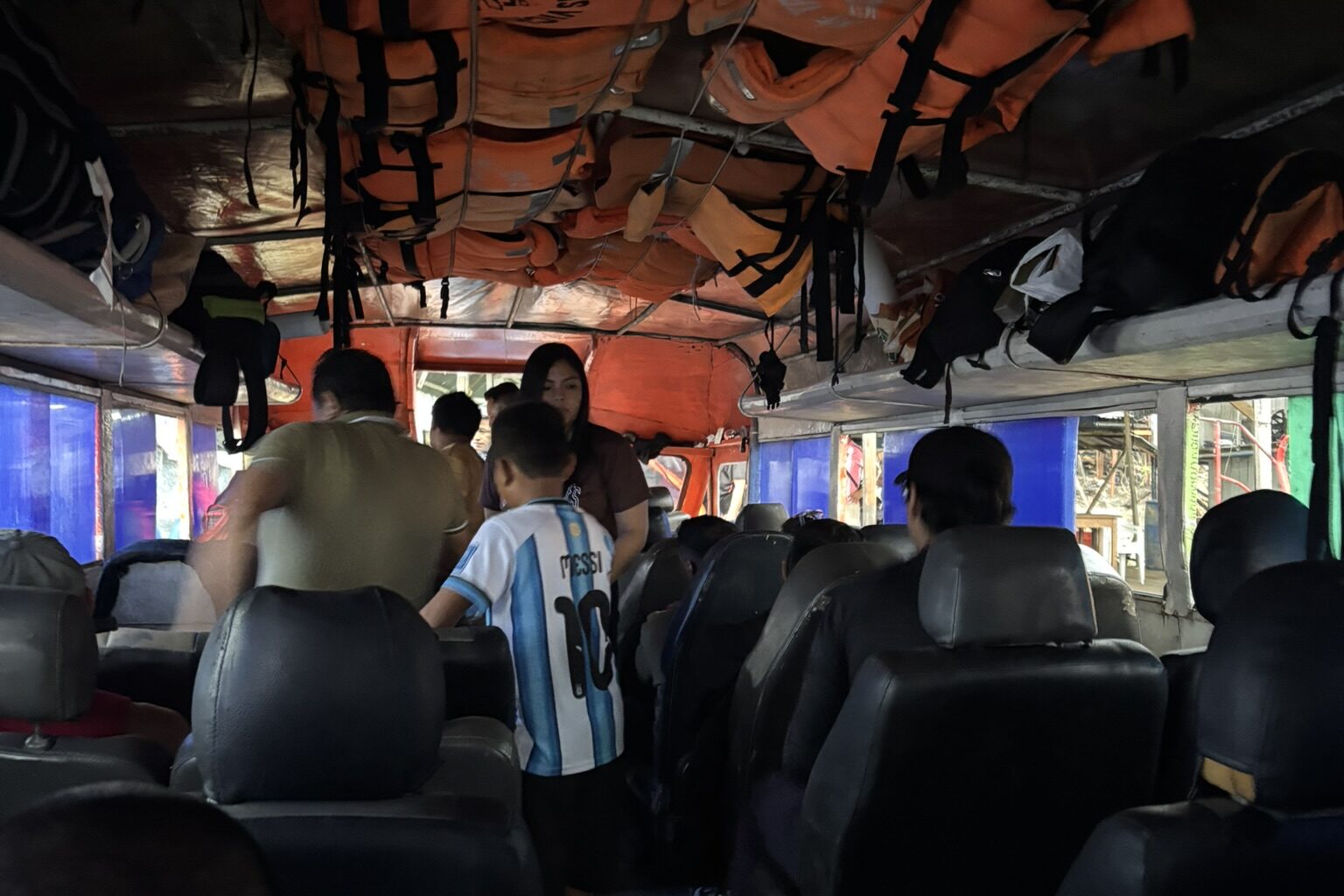
The boat was scheduled to depart at 6:00 AM, but we actually left around 6:30 AM. We were the only foreign travelers on board, which made us realize how rarely this route is used by tourists. There was a toilet onboard, but it was far from clean.
Changing Boats in Mazán
Around 8:00 AM, we arrived in Mazán. Here, we had to get off the boat and cross the village to the other side by tuk-tuk. It cost us 8 soles for two people. After that, we boarded another boat.
Around 11:30 AM, we were given some water, a small Pepsi, and an egg sandwich as a simple snack.
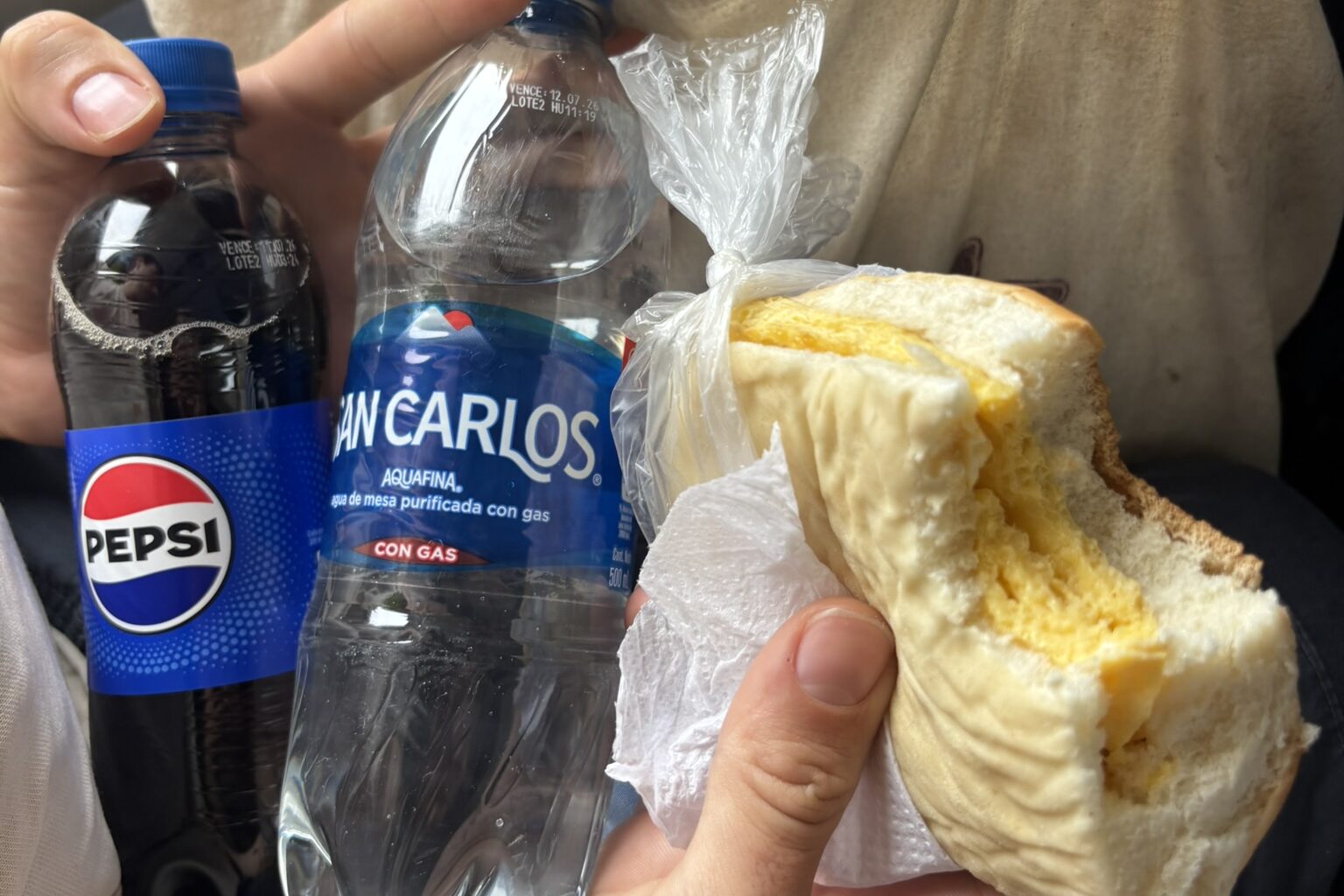
There is not much to do on the boat. You simply sit for hours while watching the Amazon scenery pass by. After sitting for so long, our backs started to hurt quite a lot.
Arriving in Santa Clotilde
We arrived in Santa Clotilde around 3:30 PM. We were told to return to the port by 3:30 AM the next morning because the boat would leave at 4:00 AM.
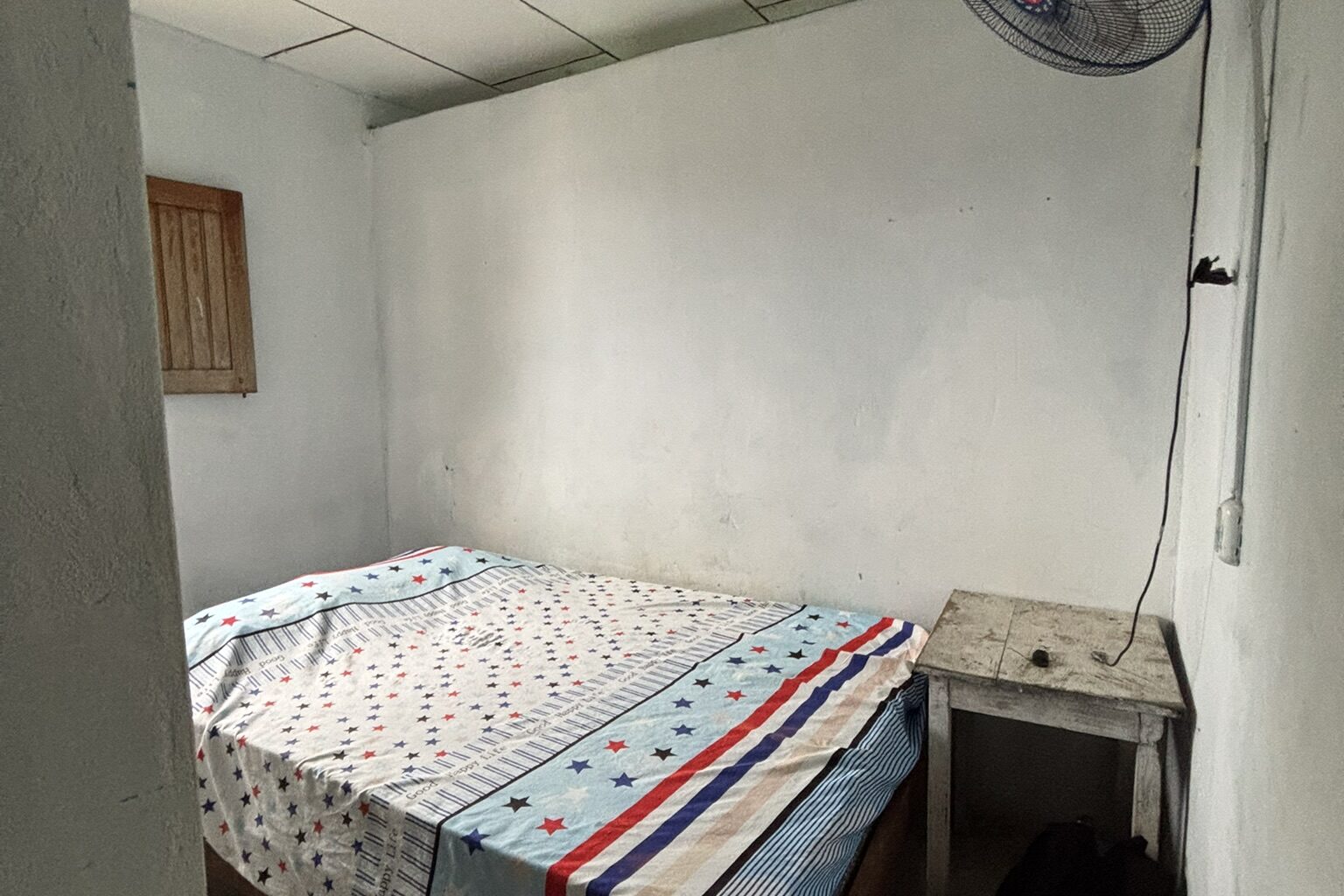
Most passengers headed to a hostel right in front of the port, so we followed them. We paid 20 soles for a room. It was very basic, but enough for one night. There was only a tiny window, making it feel a little like a prison cell. The bathroom did not even have toilet paper or a trash bin. However, since we were only staying overnight, it was not a big issue. Electricity came on around 6:00 PM, and Wi-Fi became available. The Wi-Fi fee was 4 soles for 2 hours.
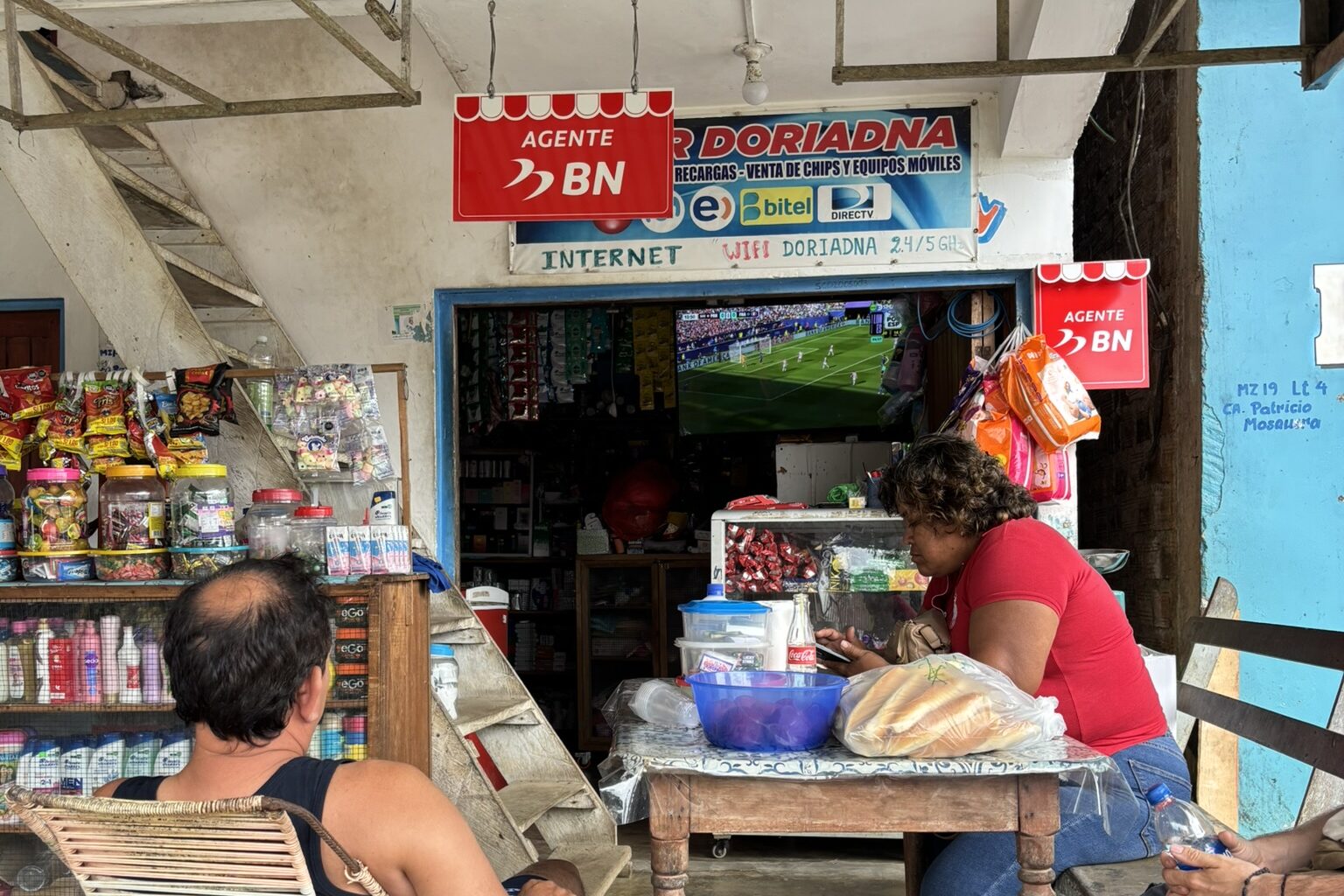
In the evening, we walked around the village. It was a very small town, but there was one TV showing the World Cup, so we ended up watching the game together with local people.
Day 2 | Santa Clotilde → A Small Riverside Village
We returned to the port at 3:30 AM. The boat departed exactly at 4:00 AM. Along the way, we stopped at many small villages, and the number of passengers gradually decreased as people got off.
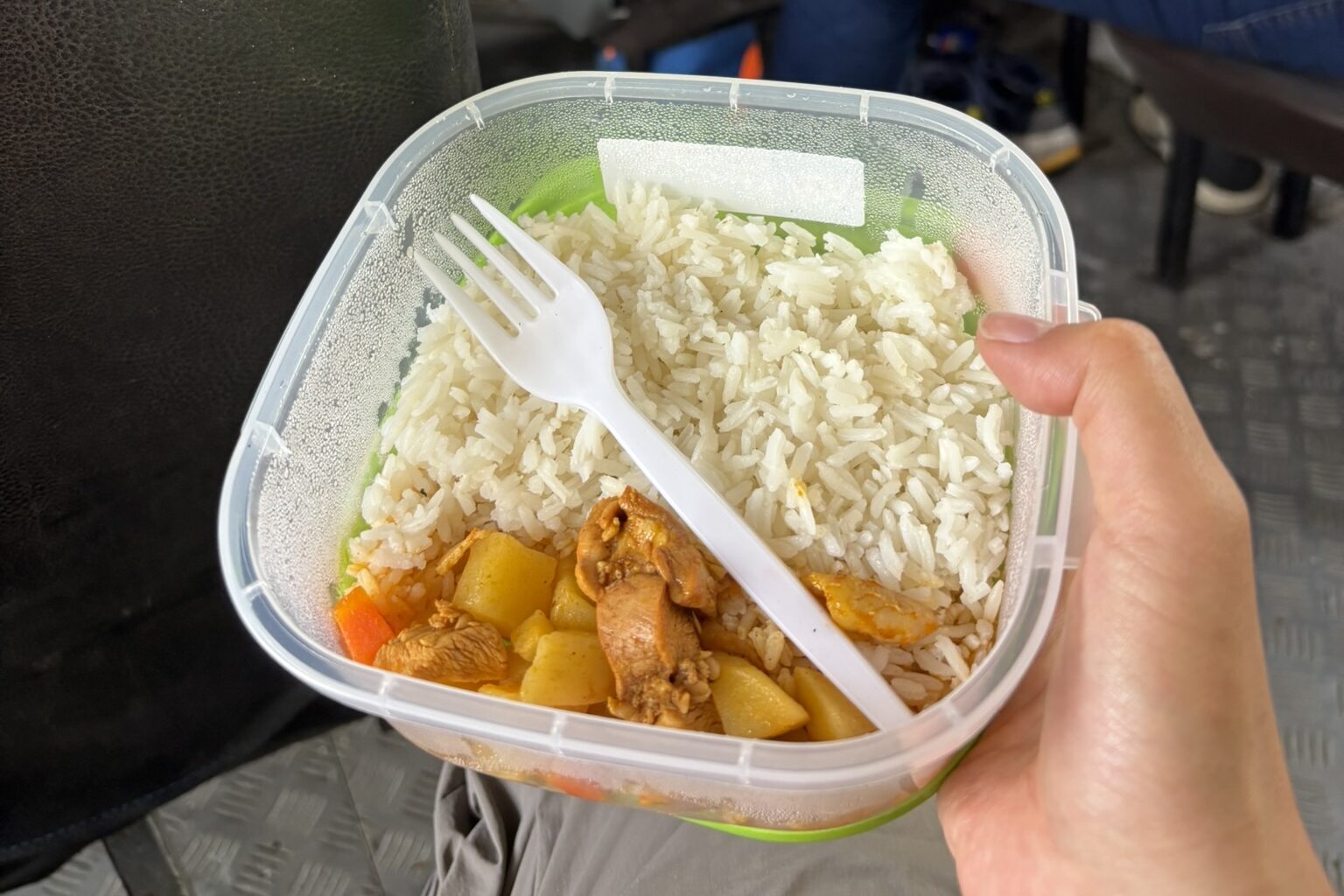
Around 8:30 AM, breakfast was served. The meal included rice, a stir-fry of potatoes, carrots, and chicken, along with a small Pepsi. The food came in a plastic container, which was a first experience for us!
The boat was extremely slow that day. It was moving at only around 15–20 km/h. Apparently, there was a problem with the engine, and we slowly continued upriver.
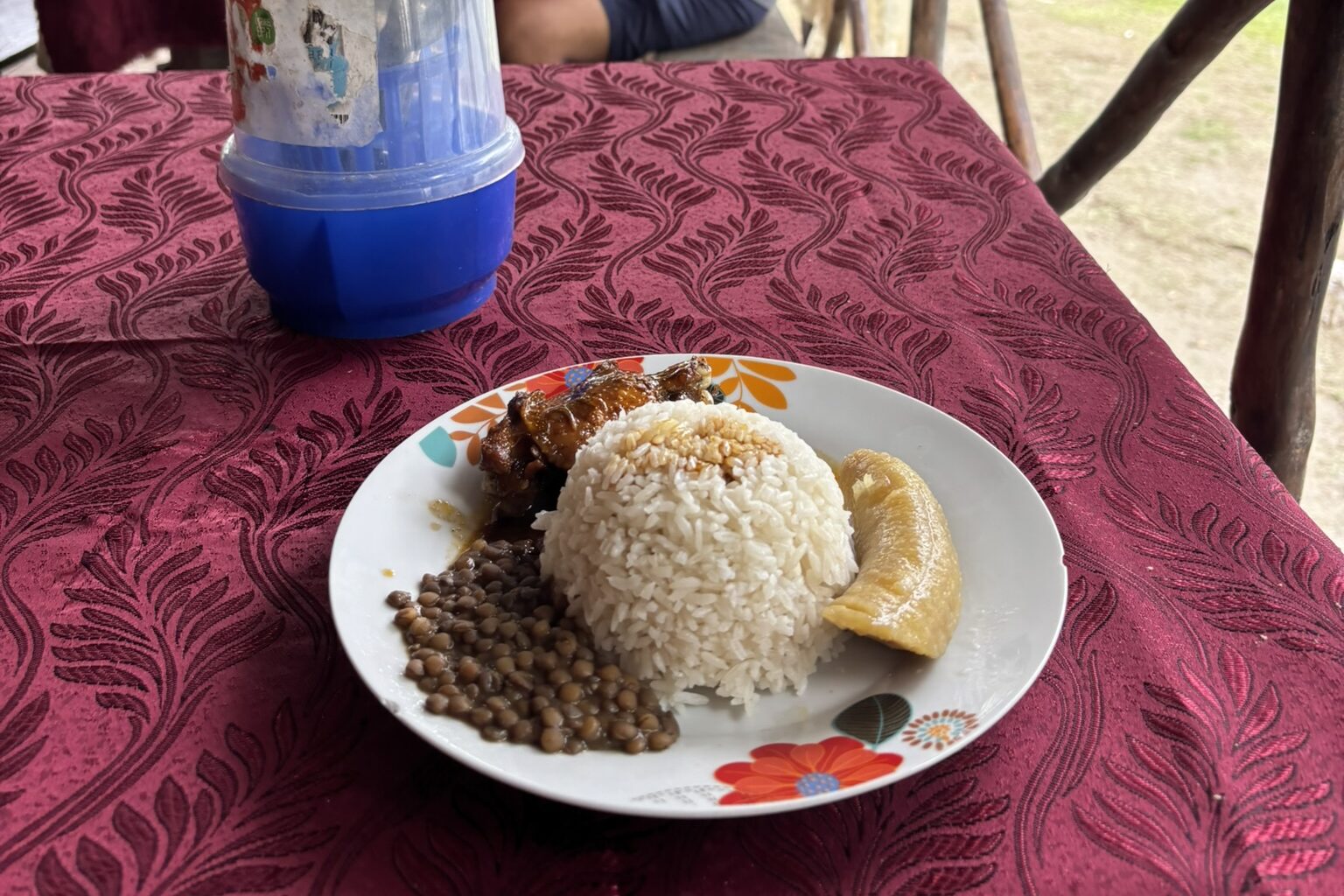
At 3:15 PM, the boat suddenly stopped at a small village. Everyone started getting off, and we wondered what was happening. It turned out to be a lunch break. We ate at a small local restaurant in the village. For 10 soles, we had rice, chicken, and a banana — a simple but very typical Amazon meal. Because we were already far behind schedule, we only had 10 minutes to eat. We basically had to finish our meal as quickly as possible.
At 3:30 PM, we continued our journey. The boat became slightly faster as fewer passengers remained. However, we still had a long way to go.
Spending the Night on the Amazon River
At 7:30 PM, it was completely dark. Then it started raining. Even with the boat lights, we could barely see ahead. The driver decided it was too dangerous to continue, so we stopped at a small riverside village for the night. Only six passengers remained, including us.
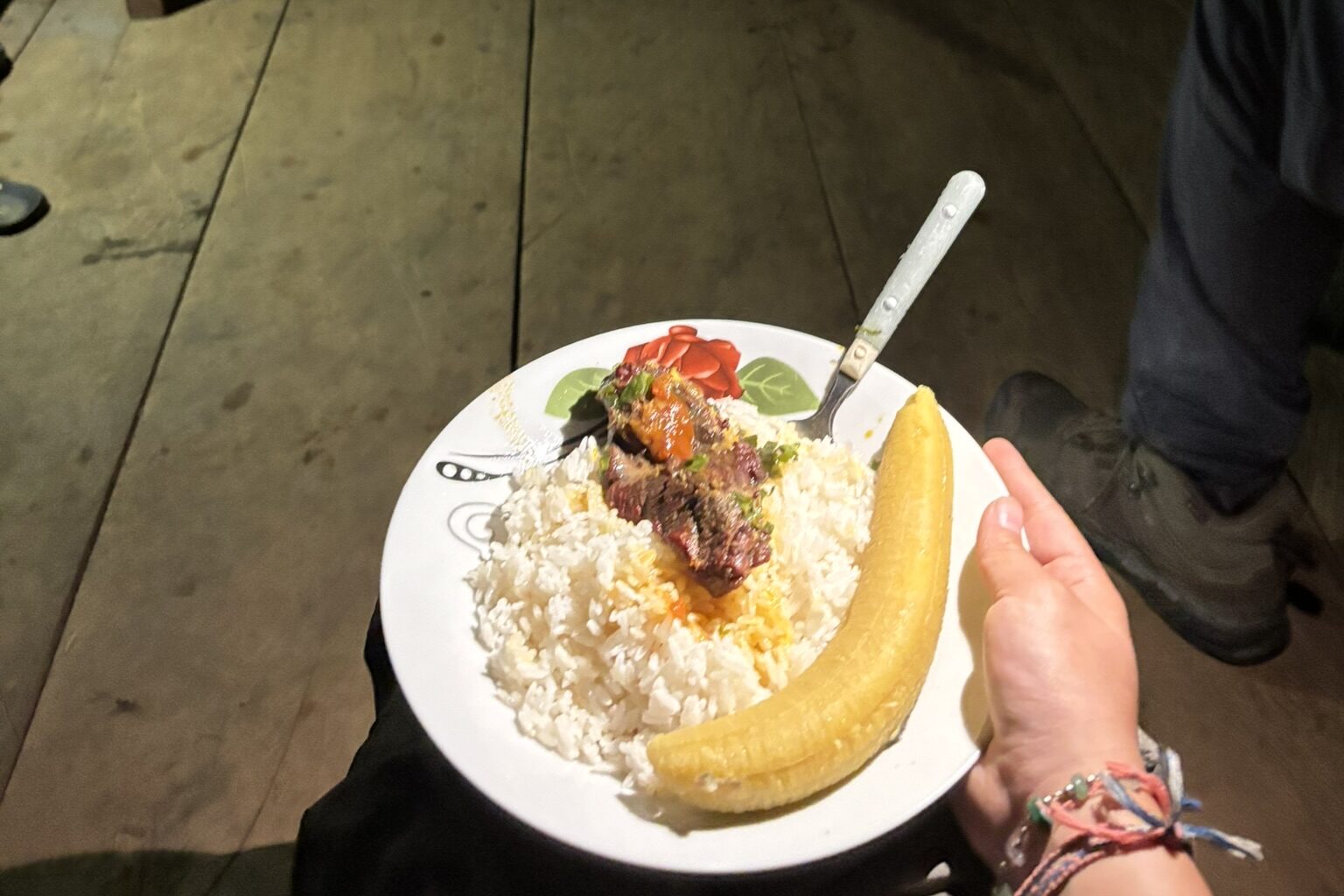
The villagers prepared dinner for everyone, and we ate together in the darkness. We are not sure whether it was included in the ticket price, but the meal was free.
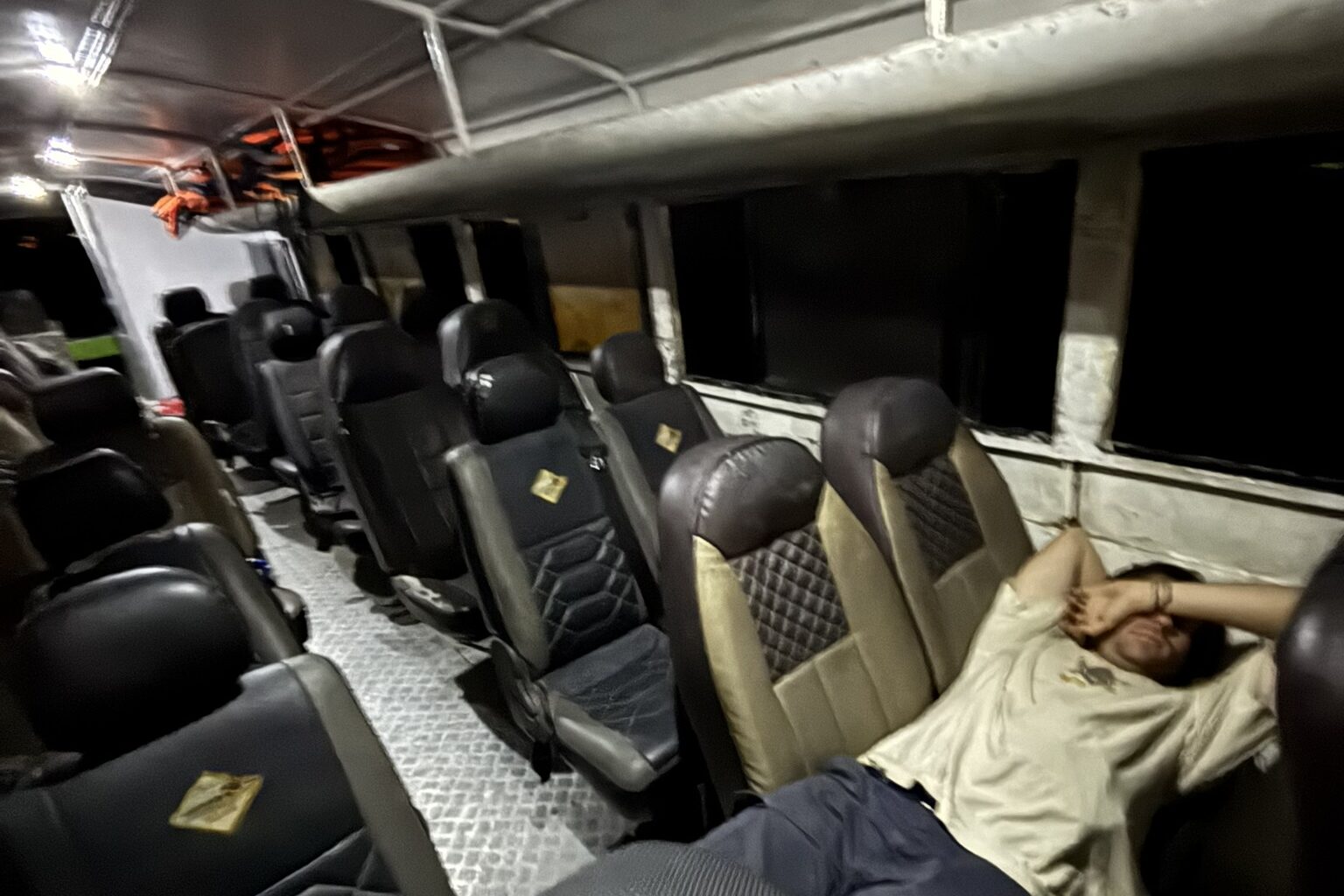
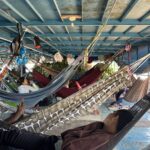
Since there were no accommodations in the village, we slept on the boat. We stretched our legs across the seats, used our backpacks as pillows, and our jackets as blankets. It was definitely not comfortable, but it was an unforgettable Amazon experience.
Day 3 | Riverside Village → Cabo Pantoja → Nuevo Rocafuerte
Around 4:00 AM, the boat started moving again. We thought we would not be able to sleep well on the boat, but surprisingly, it was more comfortable than expected. The night was cool with a gentle breeze, and there were no mosquitoes, so we actually managed to get some decent sleep.
Arriving in Cabo Pantoja & Leaving Peru
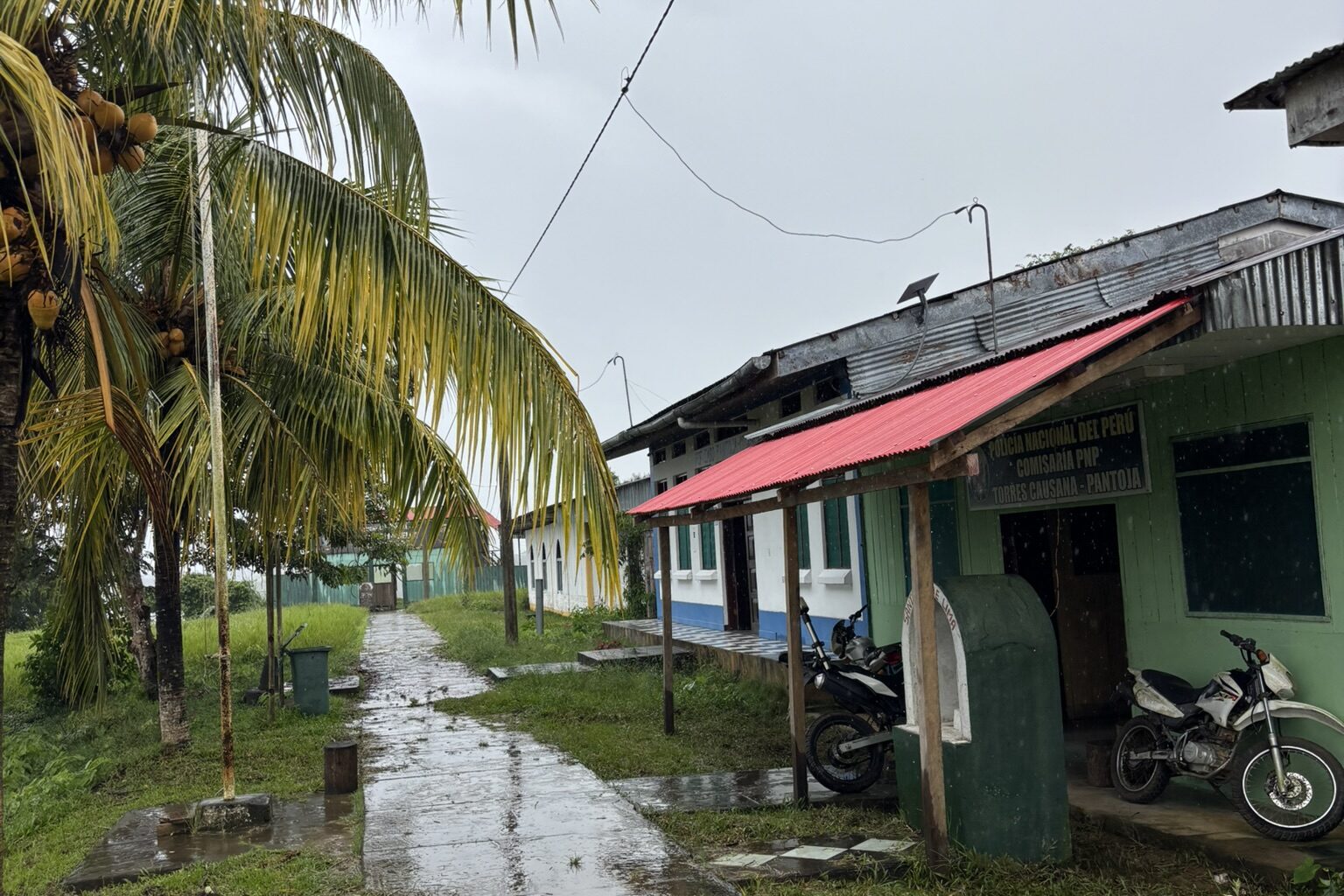
Around 7:30 AM, we finally arrived in Cabo Pantoja. A local person guided us to the immigration office. The immigration office was a tiny building on top of a hill. It was obvious that very few travelers passed through this border crossing. The office was supposed to open at 8:00 AM, but the officer kindly opened the door a little earlier for us. The process was simple and smooth. We finally received our Peruvian exit stamp in our passports! (Unlike at some airports, where we were not given a stamp.)
After that, we had a simple breakfast at a small restaurant near the port.
Crossing the Border by Peke Peke Boat
At 9:00 AM, it was finally time to leave Peru and enter Ecuador. We took a small wooden boat called a peke peke. It cost 25 USD per person. You can also pay in Peruvian soles. The boat was so small that it looked like you could easily fall into the river if you lost your balance. However, this 2–3 hour journey became one of the most memorable parts of the entire trip.
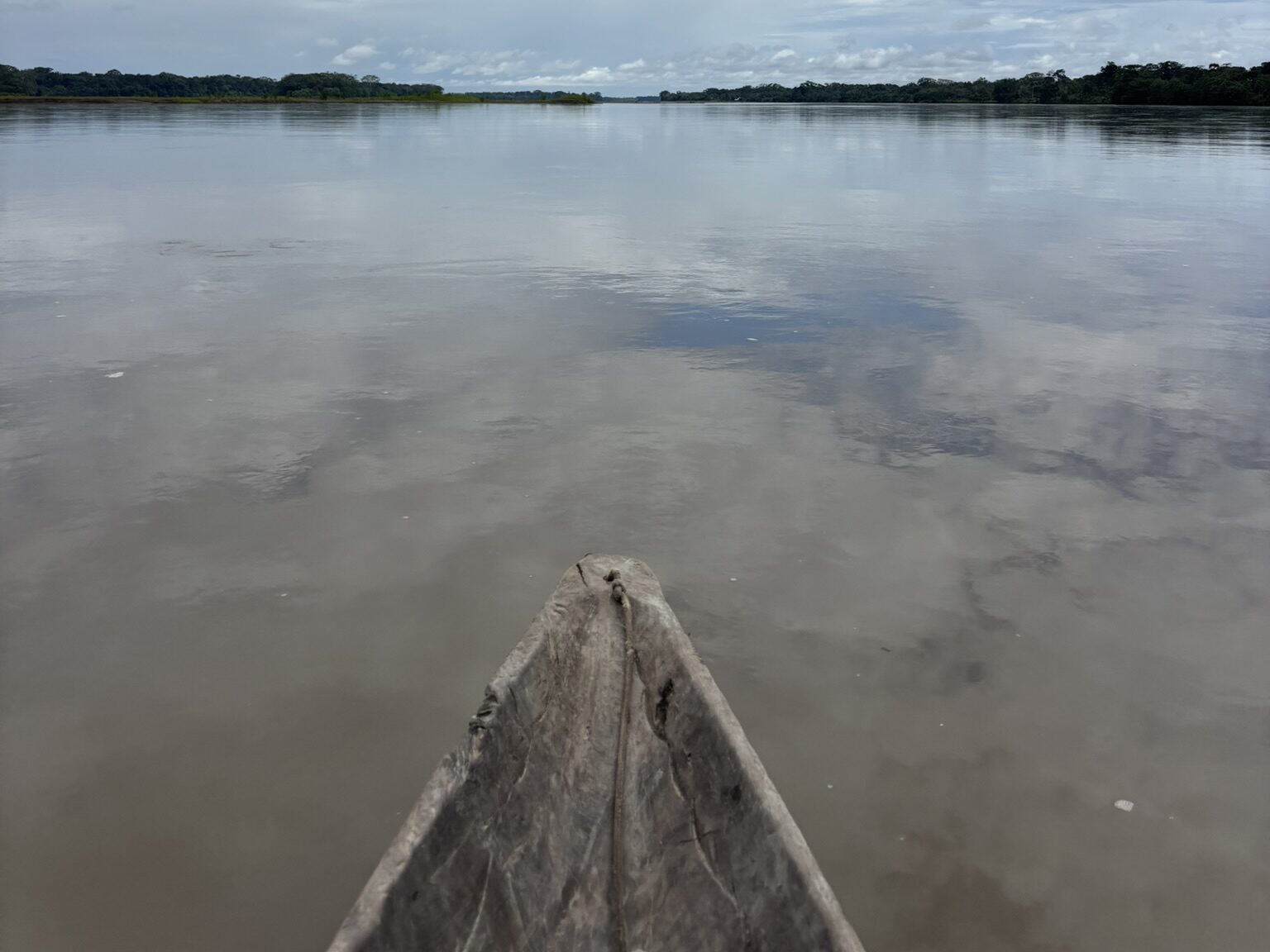
During the ride, we were lucky enough to see a variety of wild animals, including pink river dolphins, monkeys, turtles, and colorful birds. Because almost no tourists visit this area, the Amazon felt much more untouched and wild compared to the jungle tours around Iquitos.
Personally, if you are interested in experiencing the Amazon, I think doing a jungle tour around Cabo Pantoja could be a great alternative to Iquitos. Tours here cost around 70 USD per day, which is slightly more expensive than Iquitos, but you may have a better chance of seeing a truly wild side of the Amazon.
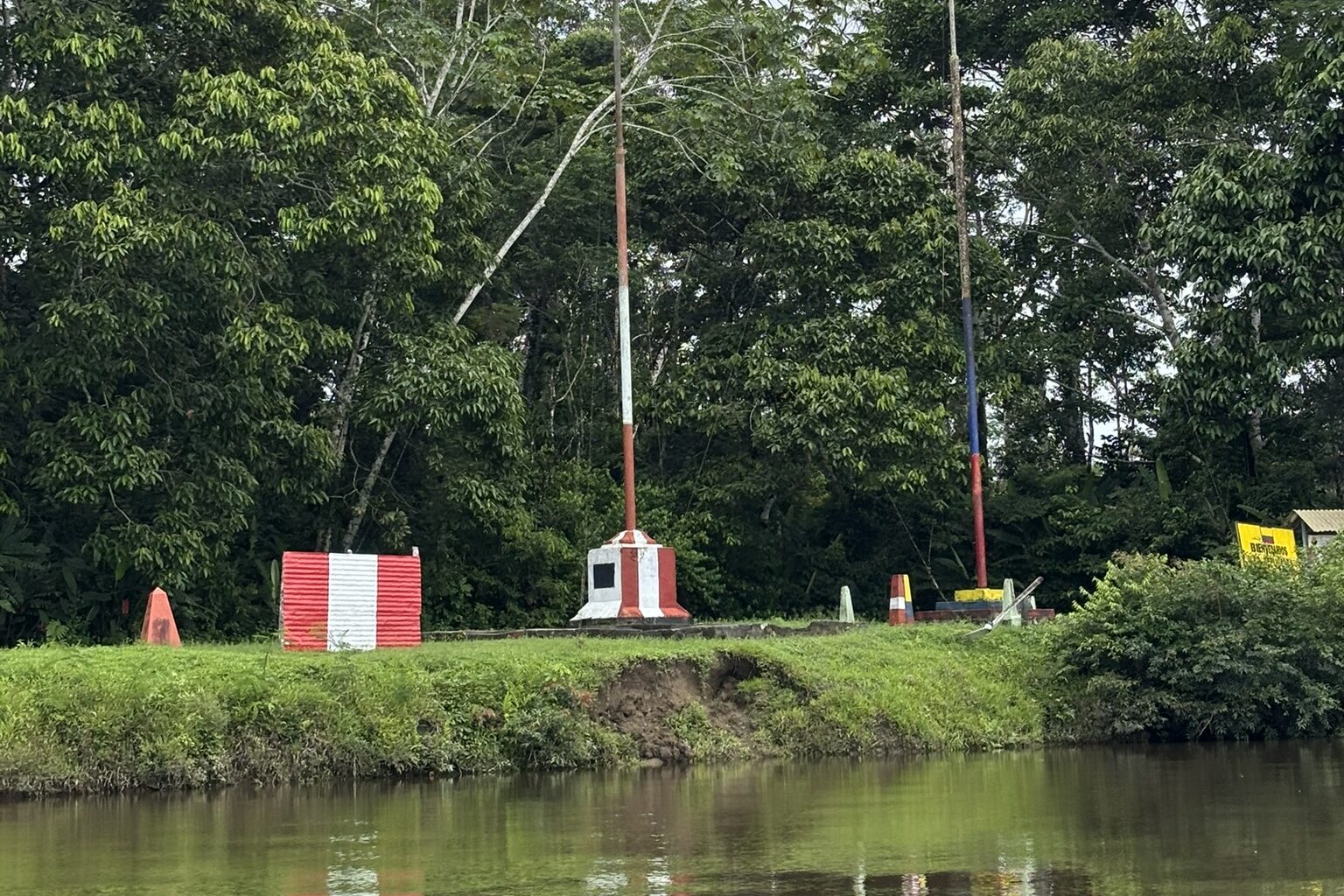
Entering Ecuador
As we continued along the river, Peru was on the left bank and Ecuador was on the right. We were literally crossing an international border while traveling upriver through the Amazon.
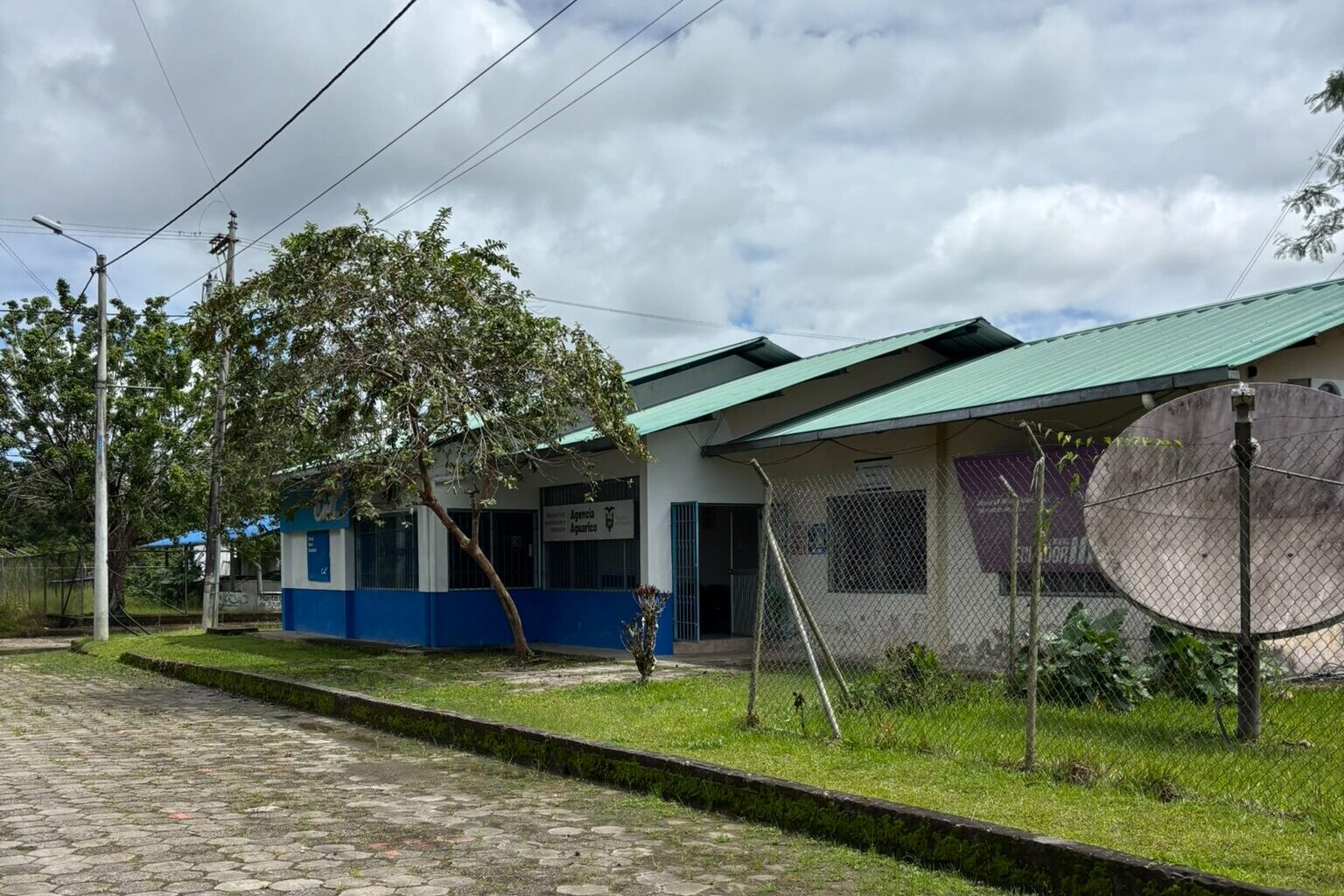
Around noon, we arrived at Nuevo Rocafuerte, the Ecuadorian border town. There was no obvious entrance to the town, so we simply climbed over a fence and walked inside. It almost felt like we were entering illegally.
We waited for the immigration office to reopen after lunch, then went to get our entry stamps around 1:00 PM. With that, we officially entered Ecuador.
📍You can find the immigration office location here.
Staying in Nuevo Rocafuerte
That night, we stayed at a guesthouse run by a friend of our boat driver. For 15 USD per room, we had a private bathroom, a large fan, towels, Wi-Fi, and even free use of a washing machine. After several exhausting days on boats, this place felt incredibly comfortable. The building was also new, clean, and well maintained.
The Difference Between the Peruvian and Ecuadorian Amazon
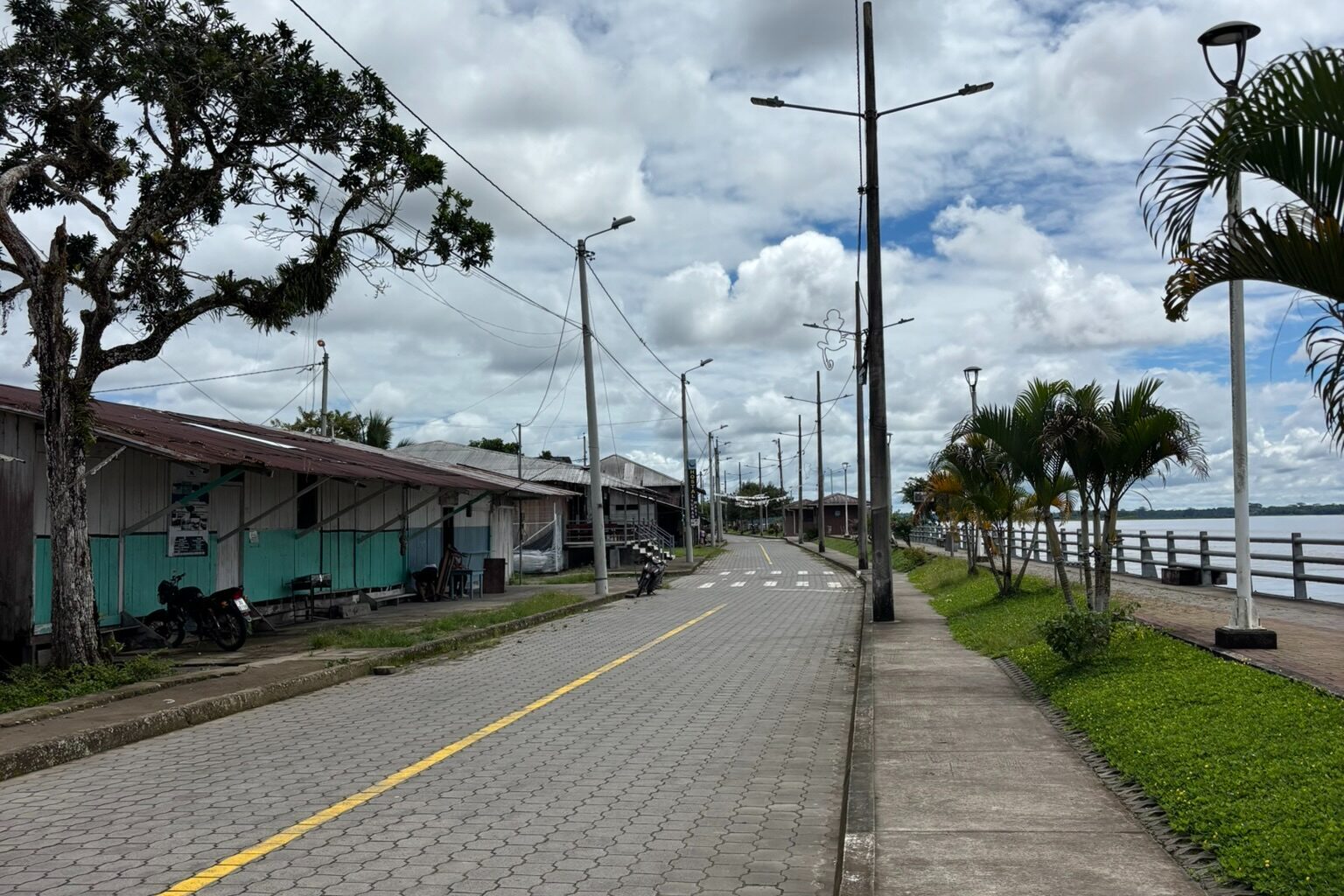
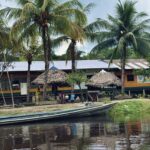
One of the biggest surprises after crossing into Ecuador was how quickly the atmosphere changed. On the Peruvian side, we saw villages without electricity or internet, wooden houses built on stilts, and a lifestyle that depended mainly on small boats. However, after arriving in Nuevo Rocafuerte, everything suddenly felt much more developed. There were concrete buildings, paved roads, motorbikes, and supermarkets. After days surrounded by remote Amazon villages, it felt surprisingly modern.
The town also felt very safe compared to many places we had visited. We were able to walk around at night without feeling unsafe.
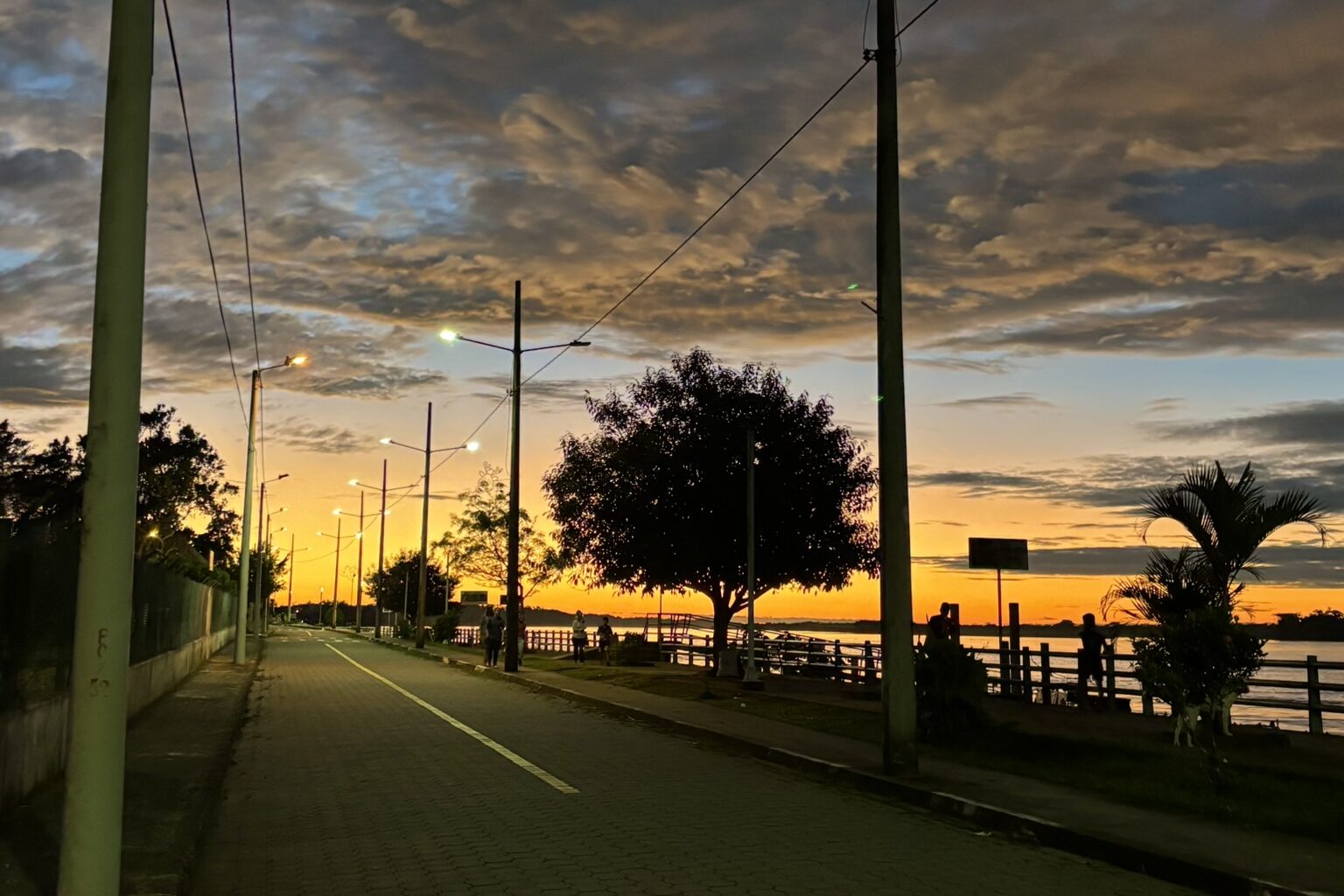
In the evening, we bought our ticket for the next day’s boat to El Coca at a small shop near the river. The ticket cost 20 USD per person.
Day 4 | Nuevo Rocafuerte → El Coca
We left for the port at 5:30 AM. Because Nuevo Rocafuerte is located near an international border, there were around six armed soldiers at the port. Everyone had their luggage checked one by one.
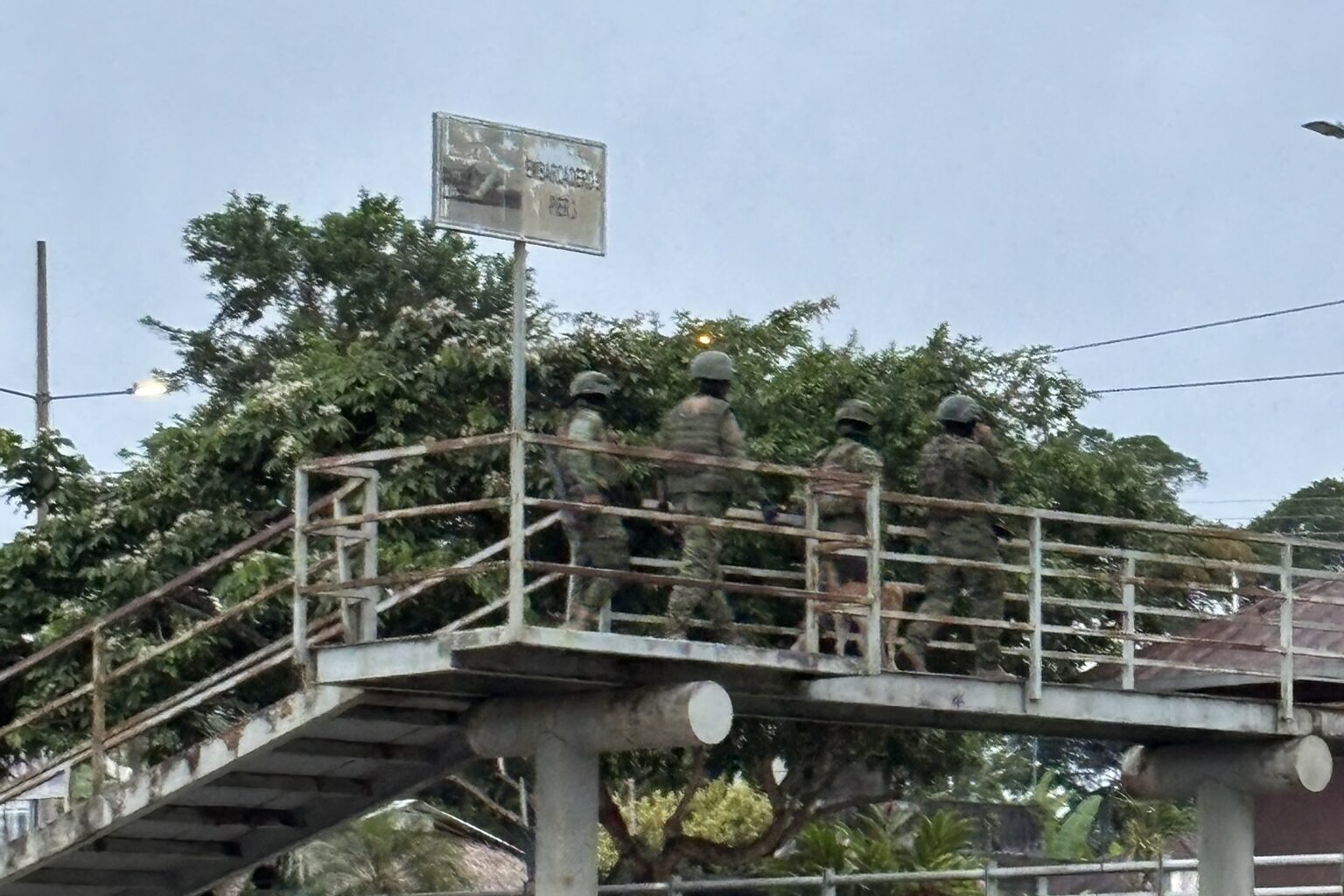
At 6:00 AM, the boat departed. There was another speedboat leaving at the same time. The faster option takes around 4 hours and costs 40 USD per person.
Around 3:00 PM, we finally arrived in El Coca. The port was well organized and much cleaner compared to the small Amazon villages we had passed through.
Arriving in El Coca
Arriving in El Coca felt like entering a completely different world from the small Amazon villages we had traveled through. The city had paved roads, more buildings, supermarkets, and restaurants. Seeing a KFC in town was the moment we felt like we had returned to civilization. The city felt safe, and we had no problems walking around. From El Coca, roads connect to other parts of Ecuador, making it possible to continue traveling by bus.
Conclusion | Is Traveling from Iquitos to El Coca by Boat Worth It?
Traveling from Iquitos, Peru to El Coca, Ecuador by boat is not a typical backpacker route. Information is limited, the journey takes time, and you need to be prepared for unexpected delays.
However, after experiencing it ourselves, we found that it was not difficult. The biggest attraction of this route is that the journey itself becomes an adventure. From witnessing life in remote Amazon villages to crossing the border by a small wooden boat, encountering wildlife, and accepting the unpredictability of river travel, this is an experience that few typical trips can offer.
Most backpackers traveling from Iquitos choose Brazil or Colombia, but the route to Ecuador offers a completely different experience. If you have enough time and enjoy adventurous travel, we highly recommend crossing from Peru to Ecuador by boat through the Amazon River.
Quick Information
Route: Iquitos 🇵🇪 → Cabo Pantoja 🇵🇪 → Nuevo Rocafuerte 🇪🇨 → El Coca 🇪🇨
Total time: Around 4 days (longer if delays occur)
Total cost: Around 140–160 USD per person (including food and accommodation)
Best for:
✔ Travelers looking for a unique route
✔ People who want to experience the real Amazon lifestyle
✔ Adventurous backpackers
Not recommended for:
✘ Travelers with a tight schedule
✘ People looking for a comfortable journey



After spending hours searching the internet for how to make this journey, I finally came across your article. It’s an absolute goldmine! You’re a legend. Thank you so much!
Holà quiero ir de Iquitos a el Coca la pregunta es si hay control en la frontera de Ecuador ? Muchas gracias
¡Hola! Sí, hay control migratorio en Nuevo Rocafuerte (Ecuador). Allí debes realizar el trámite de entrada antes de continuar hacia El Coca.
Hey, Thank you for this information. Is it possible to go from Ecuador to Peru?
Hello! Yes, definitely. Actually, going from Ecuador to Peru is more common.
Hey,
Thanks for this, it‘s really helpful! I‘m currently at the port in iquitos, looking for a boat to Cabo Pantoja.
All the people on the boats couldn’t help me and I can’t find any official person who would know which boats are leaving where. Could you possibly tell me how you got the Information about the boat?
I‘d be very thankful.
Hello! To get information about the boats, you’ll need to go to the ticket office. You can check the location at the beginning of this blog. The port was Puerto Ganzo Azul, but there are only two boats per week.I had already bought my ticket, so I was able to get on, but the boat was completely full. So, I recommend going to the ticket office at least one day in advance.
Bonjour,
Je souhaiterais faire le voyage de l’Equateur au Pérou, je suis une femme seule, qu’en pensez-vous ?
Oui ! Il faut simplement être prudente comme partout ailleurs, mais personnellement, je me suis sentie en sécurité pendant tout le voyage.