Crossing the border from Ecuador to Colombia by land is something many backpackers traveling through South America consider at least once. While it can save you a significant amount of money compared to flying, the biggest concern for most travelers is, “Is it actually safe?”
Border areas in South America are often known for having security issues. In this article, based on our experience crossing the border in July 2026, we’ll cover:
- The route we took
- Safety information
- What the border crossing was actually like
- Transportation options and costs
Please note that the security situation can change at any time. This article is based on our experience in July 2026, so be sure to check the latest information before you travel.
Table of Contents
Route
This is the route we took:
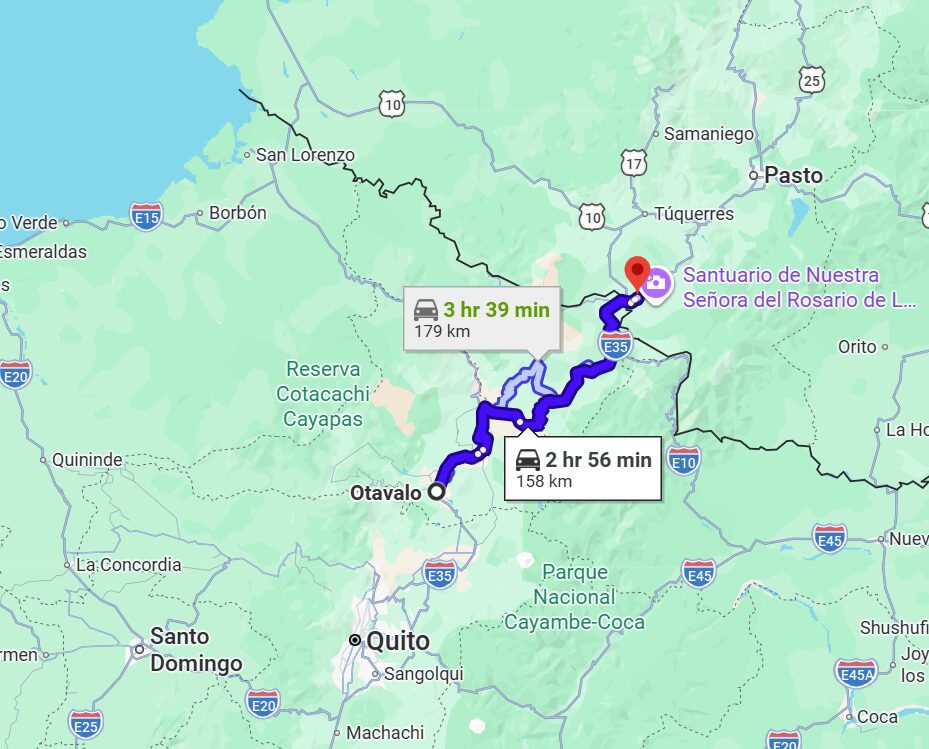
Otavalo (Ecuador) → Tulcán (Ecuador border) → Rumichaca International Bridge → Ipiales (Colombia)
For many travelers, Otavalo is the last major stop in northern Ecuador. This small Andean town is famous for its Indigenous market and hiking around Cuicocha Lake. From there, we took a bus to Tulcán, a shared van to the border, crossed the bridge on foot, and entered Colombia.
Safety
The border region is known for smuggling activities and the presence of armed groups, and many governments advise travelers to exercise caution. In the past, incidents involving armed groups, taxi robberies, human trafficking, and kidnappings have been reported.
Because of this, Japan’s Ministry of Foreign Affairs currently classifies the area as:
- Areas around Tulcán (Ecuador): Risk Level 2–3
- Areas around Ipiales (Colombia): Risk Level 3
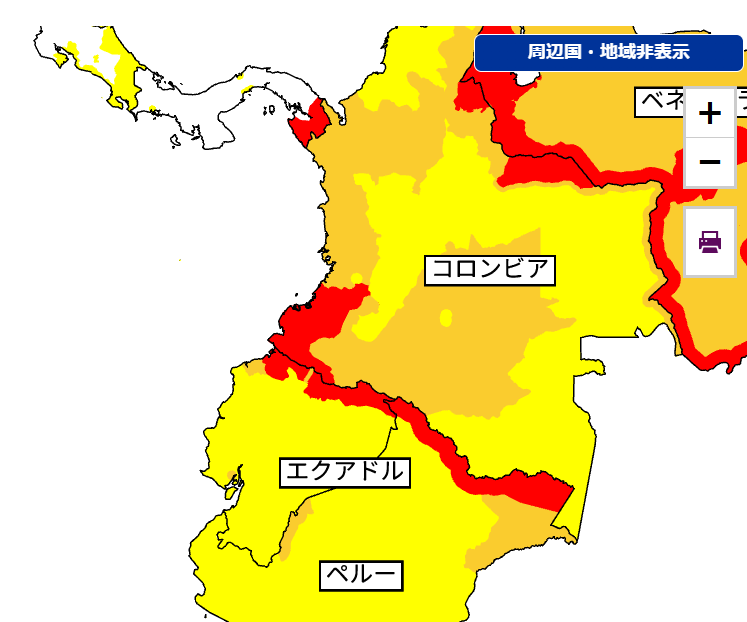
However, travel advisories vary by country. For example, the UK government rates the Ipiales area at a lower risk level than Japan does.
Because of these differences, we weren’t sure whether we should make the crossing. So before deciding, we gathered as much information as possible in two different ways.
1. Looking for the latest information
We searched blogs, Instagram, Facebook, and other sources. However, almost every blog we found was more than two years old, and we could hardly find any information from 2026. Since the security situation can change quickly, we didn’t feel comfortable relying on outdated information alone.
2. Contacting hotels and hostels directly
This turned out to be the most helpful step. We contacted around 20 hotels and hostels in both Tulcán and Ipiales via WhatsApp.
We asked:
- How is the current security situation?
- Is it safe to cross the border by land during the day?
- Is it okay to use taxis and shared vans?
More than half of them replied, and every response said that the current security situation was fine and that traveling during the day was not a problem. Some hotel staff even took the time to send detailed voice messages explaining the situation. Of course, no place is ever 100% safe. However, after receiving consistent answers from so many local accommodations, we decided to cross the border during the daytime.
💡 Tip: Use WhatsApp instead of Booking.com.
Many hotels don’t allow messaging through Booking.com unless you’ve already made a reservation. However, if you search their phone number on WhatsApp, you can usually contact them directly, and the replies were surprisingly quick.
The Border Crossing
Otavalo → Tulcán
Transportation: Bus
Travel time: About 3.5 hours
Fare: US$4.50
There are buses from Otavalo to Tulcán, but they do not stop at Otavalo’s main bus terminal. Since they’re long-distance buses coming from Quito, you’ll need to wait at a bus stop along the Pan-American Highway. There isn’t an official timetable, but buses come roughly every 30 minutes. We arrived at the stop at 8:00 a.m. and caught a bus around 8:20 a.m.
Tulcán → Border
Transportation: Shared van
Travel time: About 10 minutes
Fare: US$0.75
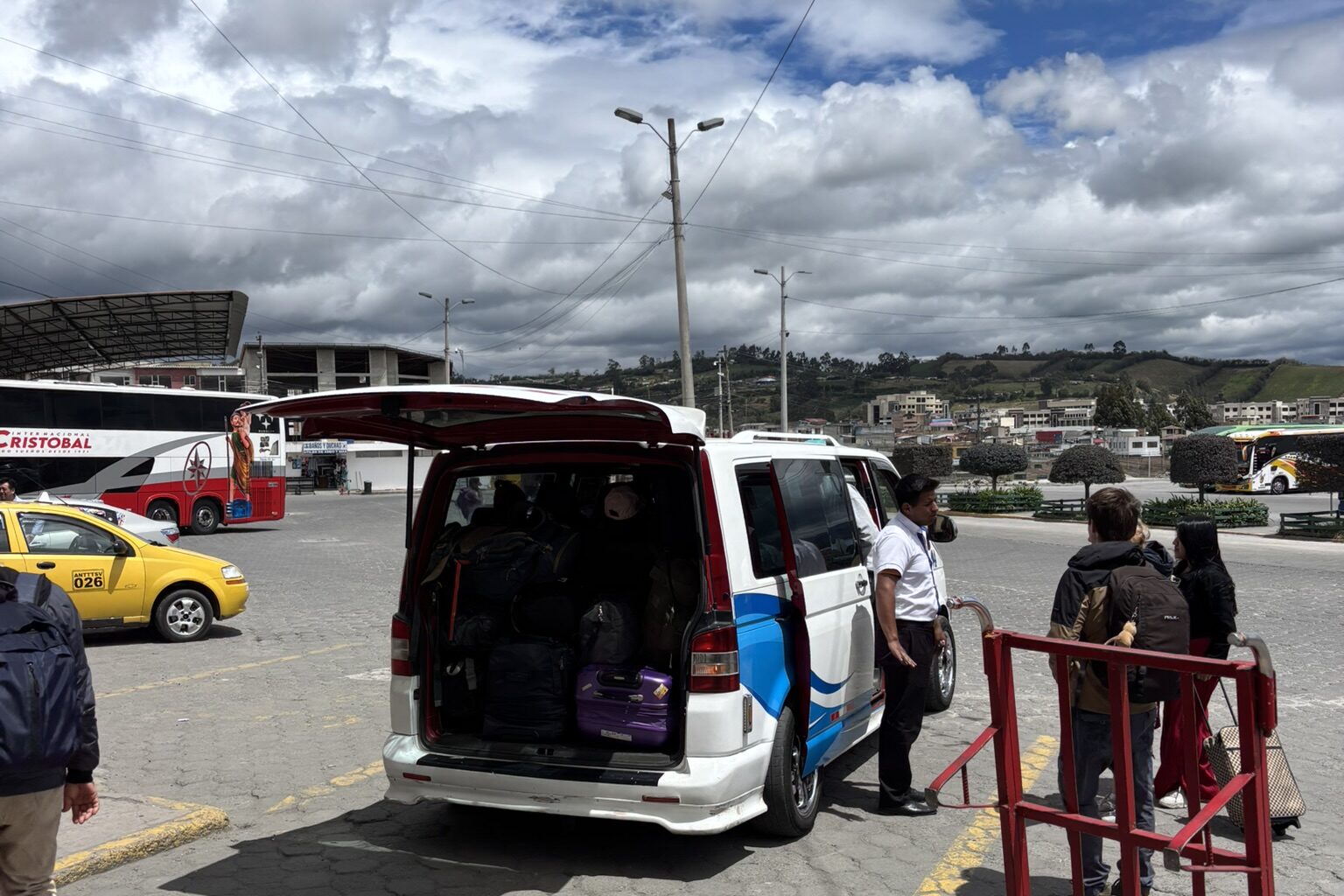
When you arrive at Tulcán Bus Terminal, many taxi drivers will approach you. However, there’s no need to take a taxi. Across the road, you’ll find shared vans with white bodies and blue stripes waiting for passengers. The drivers wear uniforms, the fare is a fixed US$0.75, and the vans leave once they’re full.
The ride to the border takes about 10 minutes. Interestingly, our van didn’t stop on the Ecuadorian side. Instead, it crossed the bridge and dropped everyone off on the Colombian side, so we simply walked back across the bridge to Ecuadorian immigration.
Border Crossing
Time required: About 1 hour
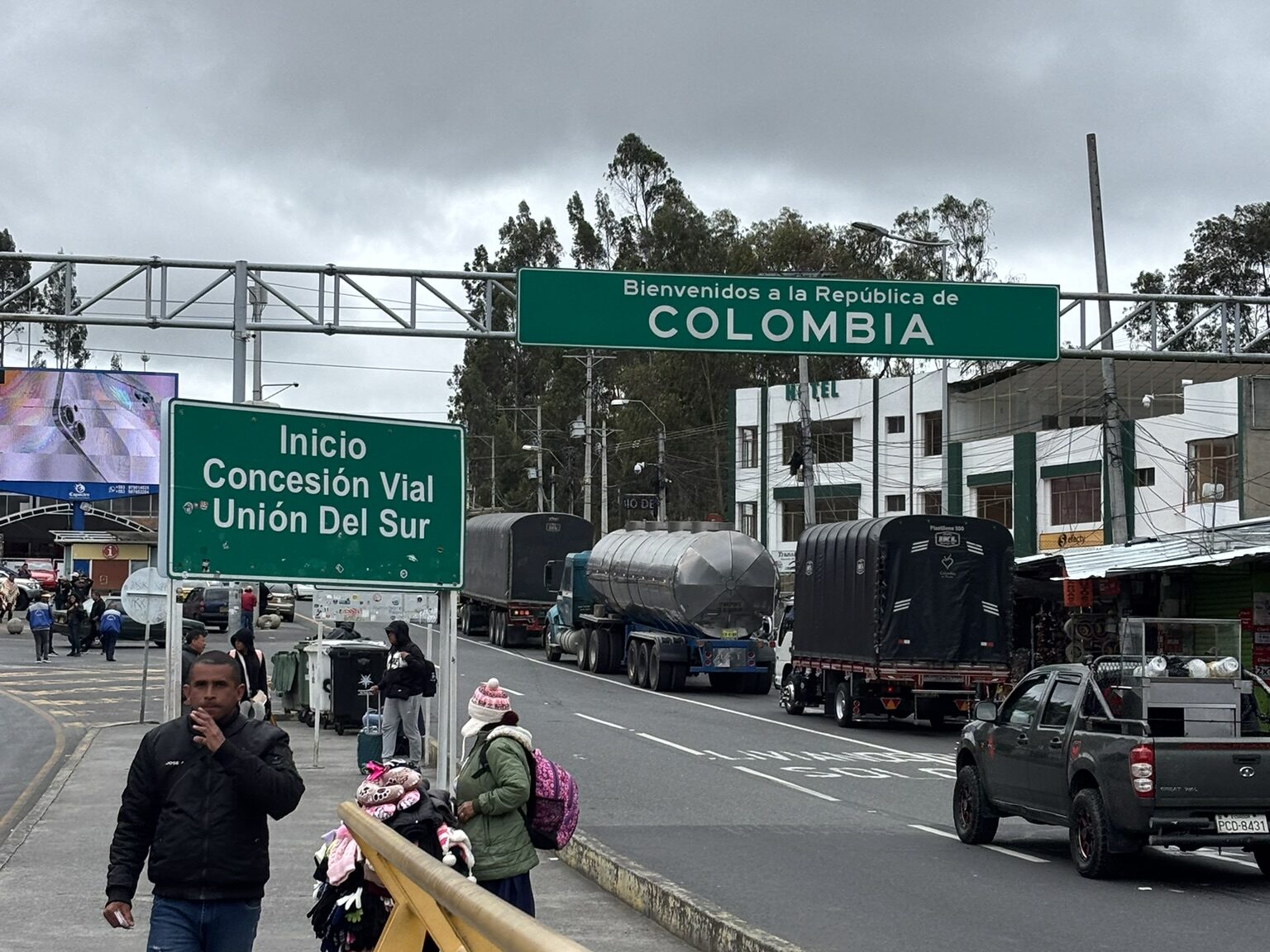
First, we headed to Ecuadorian immigration. Since both arrivals and departures used the same queue, we had to wait for a while, but the process took about 40 minutes. After that, we walked across the bridge to the Colombian side. Colombian immigration had almost no line, and we were finished within a few minutes. There was no fingerprinting, baggage inspection, or anything like that, so the whole process was surprisingly smooth.
Note: After waiting in line for quite a while and finally finishing the Ecuadorian exit process, it’s easy to think, “We’re done!” But your border crossing isn’t over yet. Once you cross the bridge, don’t forget to complete immigration on the Colombian side as well.
Border → Ipiales
Transportation: Shared van
Fare: US$1.25
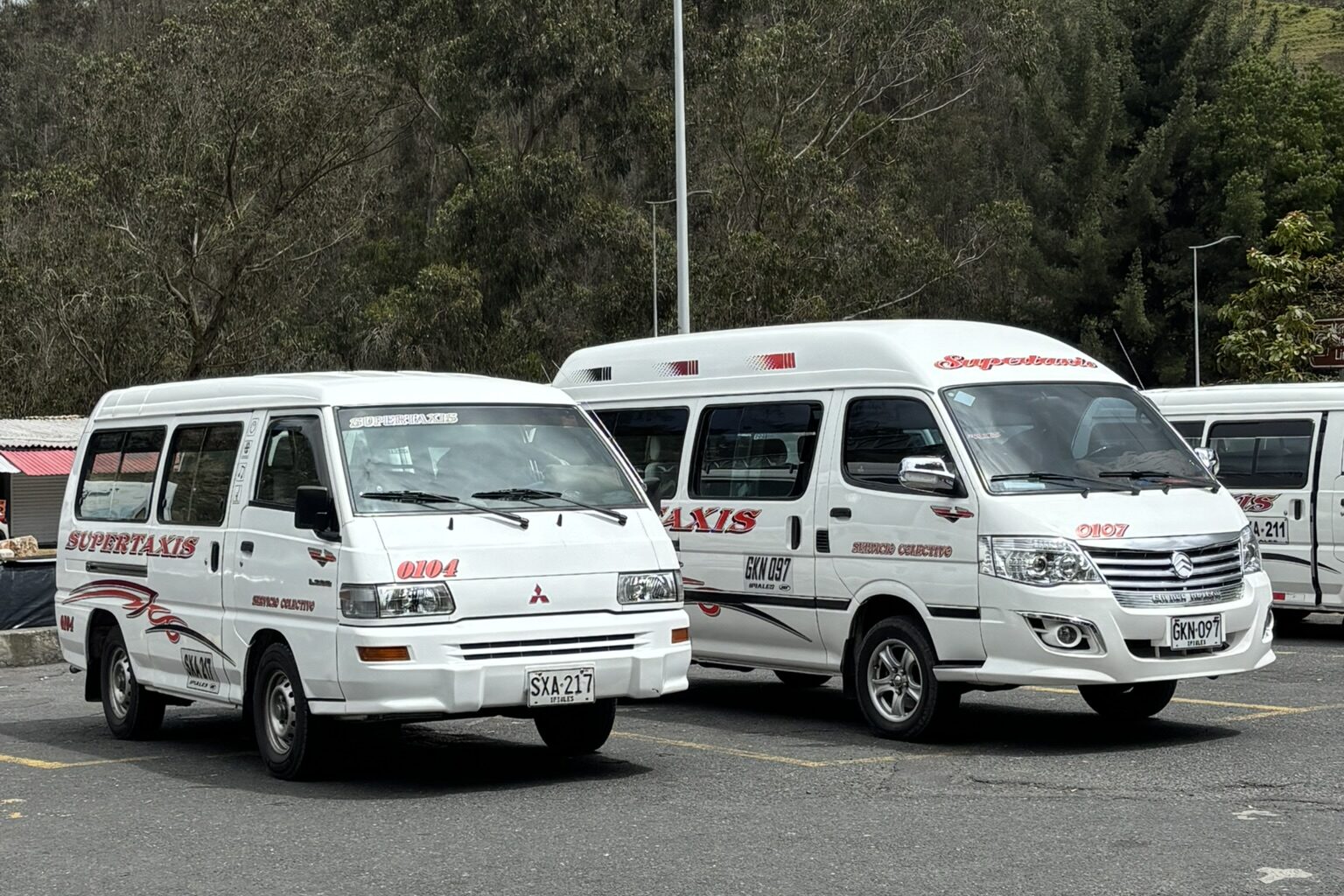
Here too, plenty of taxi drivers will try to get your attention. However, we found shared vans with white bodies and red lettering, so we chose to take one instead. Many locals were using them as well, and personally, we felt more comfortable taking a shared van than a taxi. Even though we were already in Colombia, we were still able to pay the fare in US dollars.
Ipiales
Ipiales was much livelier than we expected, and with so many police officers around, we didn’t feel particularly concerned about safety. The following day, we used the bus terminal to continue our journey, and it was well organized and felt perfectly fine as well.
Useful Information for Ipiales
💰 Currency Exchange
We exchanged money at Dollar Express, which offered a much better exchange rate than the money changers near the border. Since the shared vans also accepted US dollars, there’s really no need to exchange money immediately after crossing the border.
📍You can find Dollar Express location here.
💳 ATM
As of July 2026, we couldn’t find any bank offering free ATM withdrawals. The fees were fairly similar no matter which ATM we checked. The ATM we used charged a fee of COP 26,500, with a maximum withdrawal of COP 1,000,000. We’ve also heard that if the ATM has enough cash available, it’s sometimes possible to withdraw up to COP 2,000,000.
📱 SIM Card
We bought a Claro SIM card at a pharmacy. It cost COP 35,000 for 30 days with 30 GB of data, making it the cheapest option we found in the area.
Final Thoughts
As of July 2026, crossing the border from Ecuador to Colombia by land was a smooth experience for us, with no major issues during transportation or immigration.
That said, border regions can change quickly, and the security situation may be different by the time you travel. If you’re planning to cross this border yourself, make sure to check the latest travel and safety information before making your decision.
We hope this guide helps anyone planning to cross the Ecuador–Colombia border overland.