
Chile is one of the most beautiful countries for a road trip. However, it’s not all smooth and easy. Highways with online-only payment systems, and a rule that blocks foreign phones after 30 days, are just a few of the many things no one really tells you—but absolutely matter.
This guide is based on real experience driving through Chile, focusing on the things that can genuinely cause trouble if you don’t know them in advance.
Table of Contents
1. Useful Apps
iOverlander
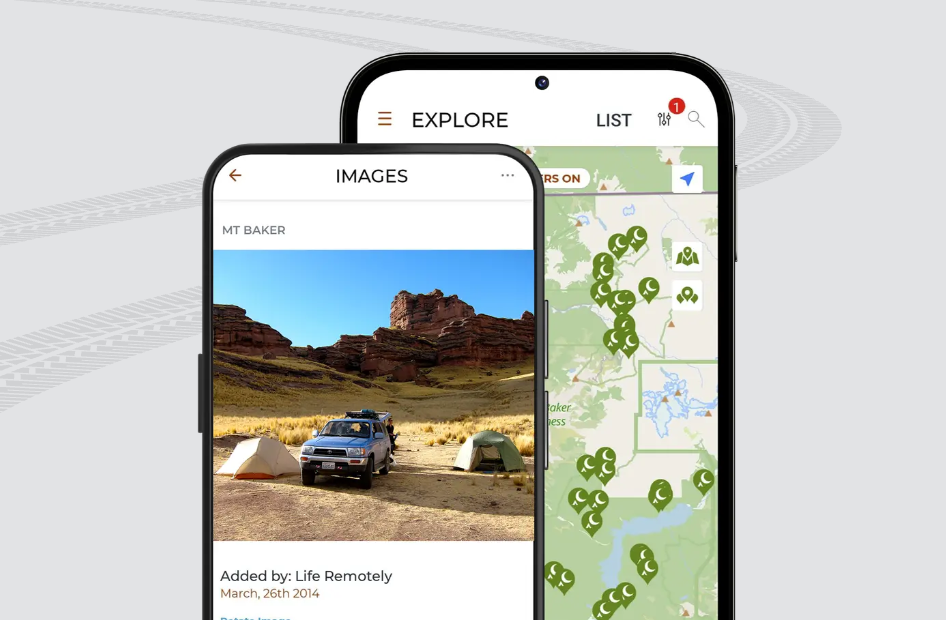
Once you leave cities in Chile, internet access becomes extremely limited. That’s why offline tools are essential. iOverlander helps you find:
- Camping spots
- Showers
- Laundry
- Water sources
- Gas stations
It’s not just useful—it’s essential. And it’s free.
※ To use it offline, you need to download maps. With the free plan, you can only store one country at a time, so when you change countries, you need to delete the old map and download a new one.
MAPS.ME
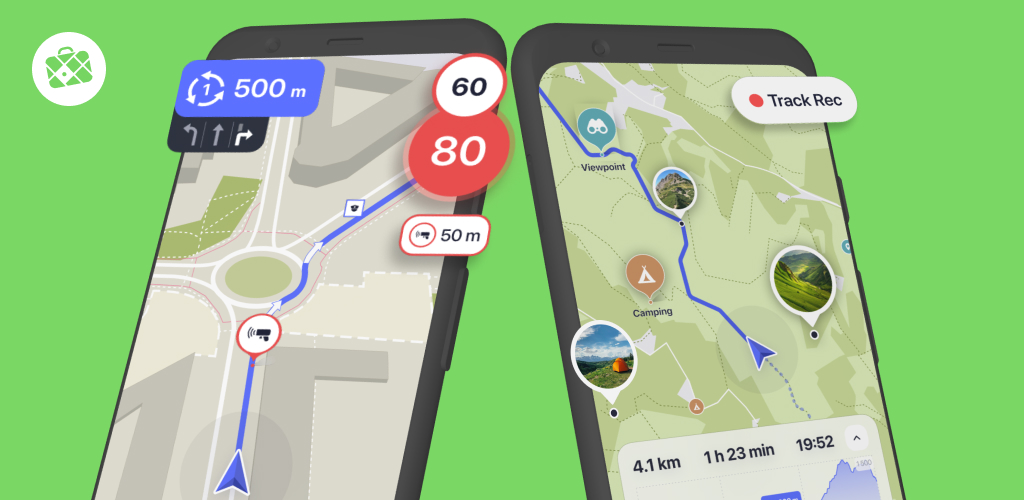
MAPS.ME is essential for hiking. It works offline and shows your location even without signal in remote mountains. Very reliable for avoiding getting lost.
2. Internet Situation
We used Entel and Claro.
Conclusion: Entel has significantly better coverage.
Top-up method (step-by-step)
- Go to a supermarket (Lider, etc.) Tell them: “I want to top up my phone.”
- Provide your phone number The cashier enters it into the system, and the amount is added directly to your mobile balance. (Credit cards are also accepted.)
- After topping up, buy a plan on your phone For example: Buy a data package using dial codes
Example: Claro data purchase method
With Claro, you can buy data via dial codes.
How to buy data
- Dial *103#
- Select “Internet / Datos”
- Choose a data plan
- Confirm purchase
Notes (important)
- Top-up (credit) and data purchase are separate steps
- Credit alone does not activate internet
- Supermarkets only handle adding money to your phone balance
※ Online purchase often requires a Chilean bank account.
3. Important: Foreign phones get blocked after 30 days
In Chile, foreign devices may lose service after 30 days unless registered. We personally saw travelers suddenly lose connection because of this.
Device registration
You must register through an official SUBTEL-certified provider. Each provider differs in price, speed, and device compatibility.
Recommended: “Apple Chile Comercial Ltda.”
- Free
- 1–2 days processing time
Registration form: Device registration form
4. Highway System
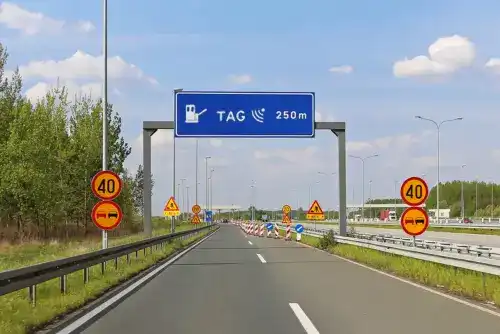
The Santiago area is especially complex. Chile mainly uses a system called “TAG,” and cash payment is almost nonexistent. If you rent a car, TAG is basically mandatory.
Without TAG
- Charges appear online later
- You must pay manually
- Payment required within 1 month (late fees apply)
※ Charges usually appear about 1–2 weeks after usage
Payment website: Chile toll payment
Payment issues
- Chilean bank account may be required
- Foreign credit cards are often rejected
- Local apps require local banking access
This makes it difficult for foreigners. In these cases, Servipag becomes a useful alternative to online payment systems for handling things like Chilean toll payments.
Servipag
Servipag is a Chilean payment service where you can pay bills in person or online, including highway tolls.
- Often very crowded
- Sometimes payments are rejected
In the end, none of the methods worked for us, and we had to ask the car seller’s agent to pay for us.
5. Driving in Chile

Driving can be somewhat aggressive.
- Overtaking on steep hills
- Overtaking on blind curves
- Generally high speeds
You need to stay alert at all times.
Do you need a 4WD?
Conclusion: 2WD is generally fine. However, the south is different.
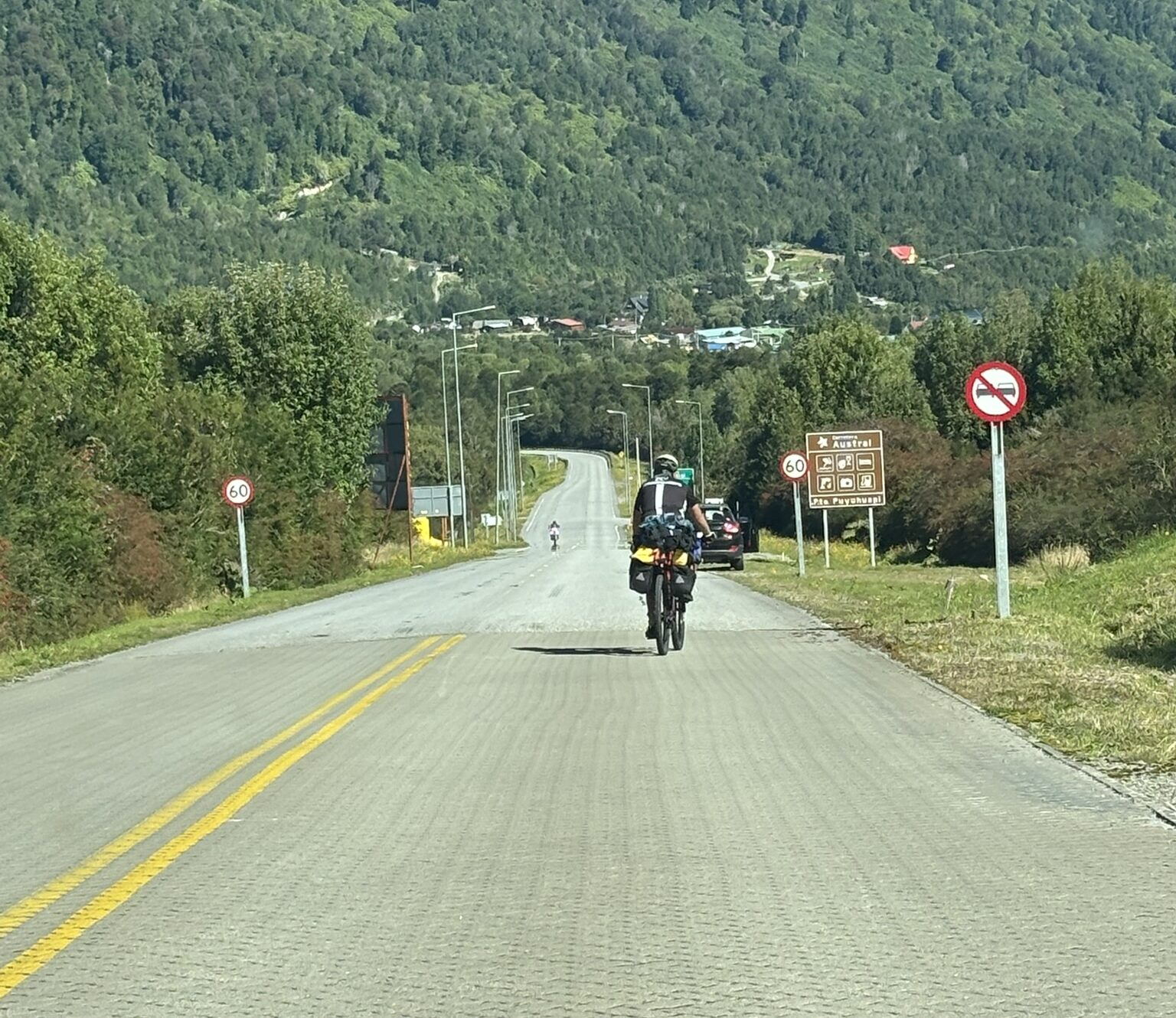
Carretera Austral especially has:
- Long unpaved sections
- Frequent flat tires
We saw many vehicles with problems there.
Traffic Rules
Headlights must be on even during the day. Fines apply if you don’t follow this rule.
In urban areas of Chile, two-lane roundabouts are common. The basic idea is that the inner and outer lanes have different roles. The inner lane is generally used by cars that will continue around the roundabout and take a farther exit. The outer lane, on the other hand, is typically used by cars that plan to take the next exit. However, in real driving situations, these rules are not always strictly followed. Sudden lane changes and unpredictable driving behavior are not uncommon, so it’s important not to rely only on lane “rules.” Instead, you should always pay close attention to the movement of surrounding vehicles.
Police Checkpoints
Frequent but usually straightforward.
- Passport
- Vehicle documents (Padrón, etc.)
Border Crossing (Chile ⇄ Argentina)
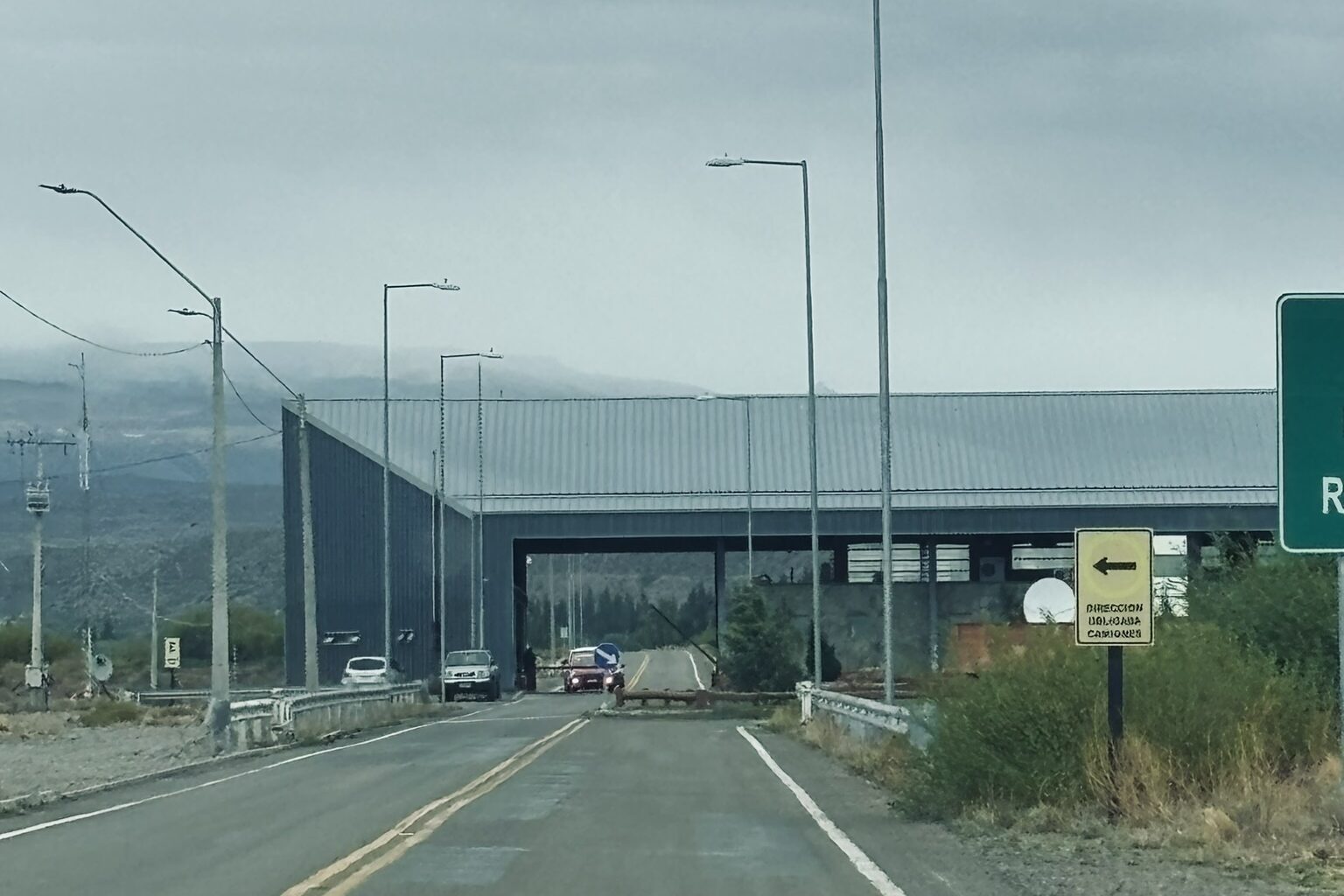
Very smooth, and you can cross back and forth multiple times.
Required documents
- Passport
- Padrón
- Authorization letter (if ownership differs)
- Notary certificate
- International insurance
※ Copies are strongly recommended, as originals may be collected.
Food Restrictions
Very strict when entering Chile.
Not allowed:
- Fruits
- Vegetables
- Nuts
- Meat, dairy, honey (all animal-based products)
Even processed foods may be confiscated.
Summary
Chile is an amazing country for road trips, but a few systems can be tricky:
- Internet restriction after 30 days
- Complex highway payment system (TAG)
- Strict border inspections
If you know these in advance, most problems can be avoided, and the trip becomes much smoother.
👉 How to buy a car in Chile — full guide here
👉 Best Chile road trip routes you should not miss — full guide here