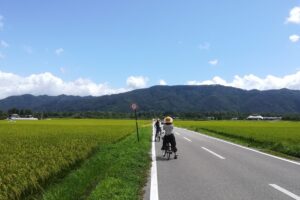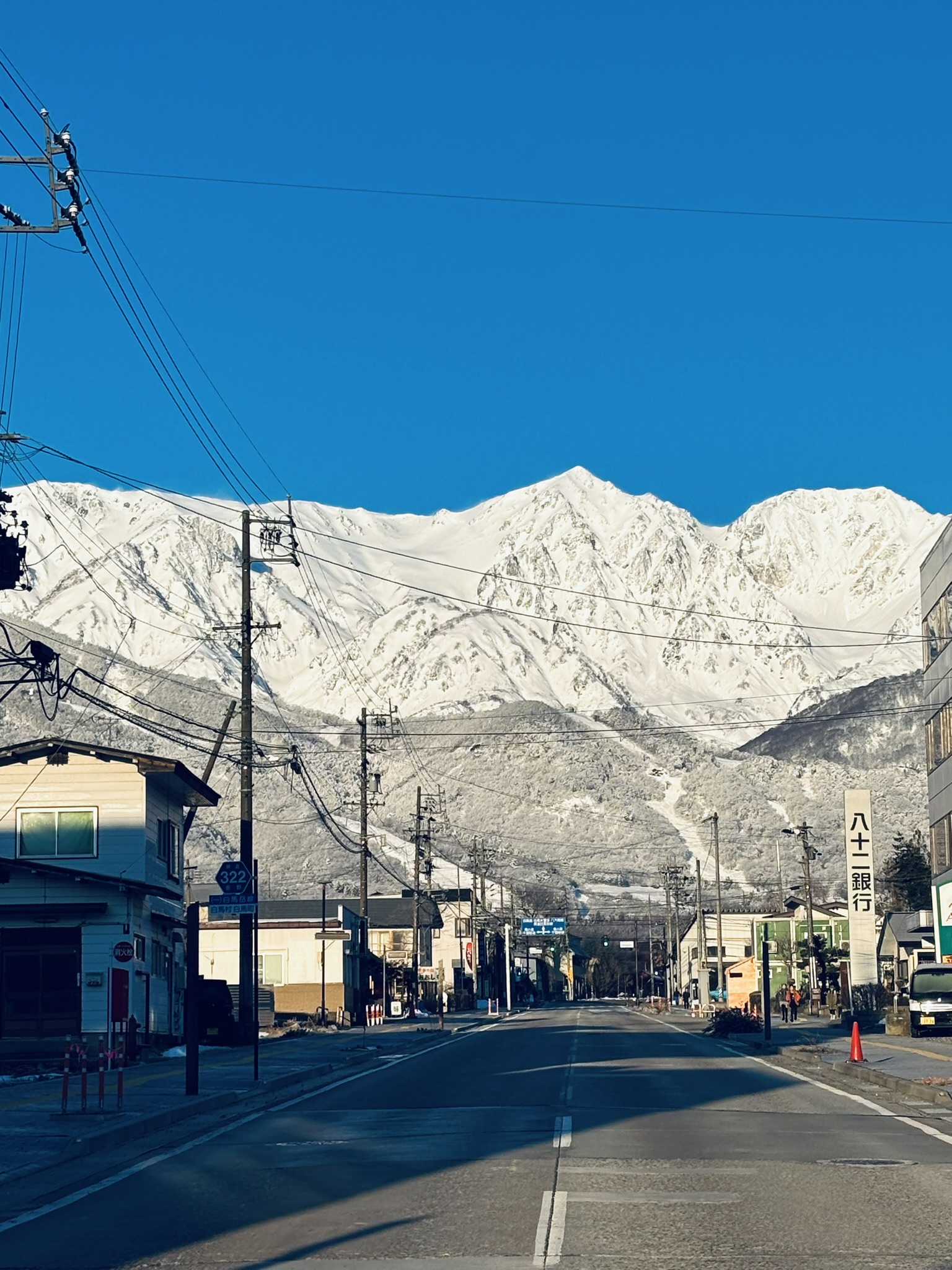

Driving in Japan might seem a bit intimidating at first. “What if I mess up the rules…?” “I heard the roads are narrow—will I be okay?” The truth is: it feels confusing at the beginning, but once you get used to it, Japan is actually a very easy and safe country to drive in. Roads are clean and well-maintained, and drivers are generally calm and respectful. However, there are some unique rules and conditions you should know before driving. This guide covers everything you need to know before driving in Japan—from a real traveler’s perspective.
Table of Contents
1. Is driving in Japan difficult?
To be honest, it feels a bit confusing at first.
The main things you’ll notice are:
- Left-hand traffic
- Narrow roads
- Heavy traffic in cities
But that’s basically it. Once you get used to it, Japan is actually very comfortable to drive in. Roads are clean, and aggressive driving is relatively rare.
2. Basic traffic rules
- Drive on the left side
- Steering wheel is on the right
- Seatbelts are mandatory for all passengers
- Drunk driving is completely prohibited
About drunk driving
Unlike some countries where “one drink is okay,” Japan is very strict.
👉 Even a small amount of alcohol = illegal
Penalties are severe, and passengers can also be held responsible in some cases. Seriously—avoid it completely.
3. Road signs and traffic lights
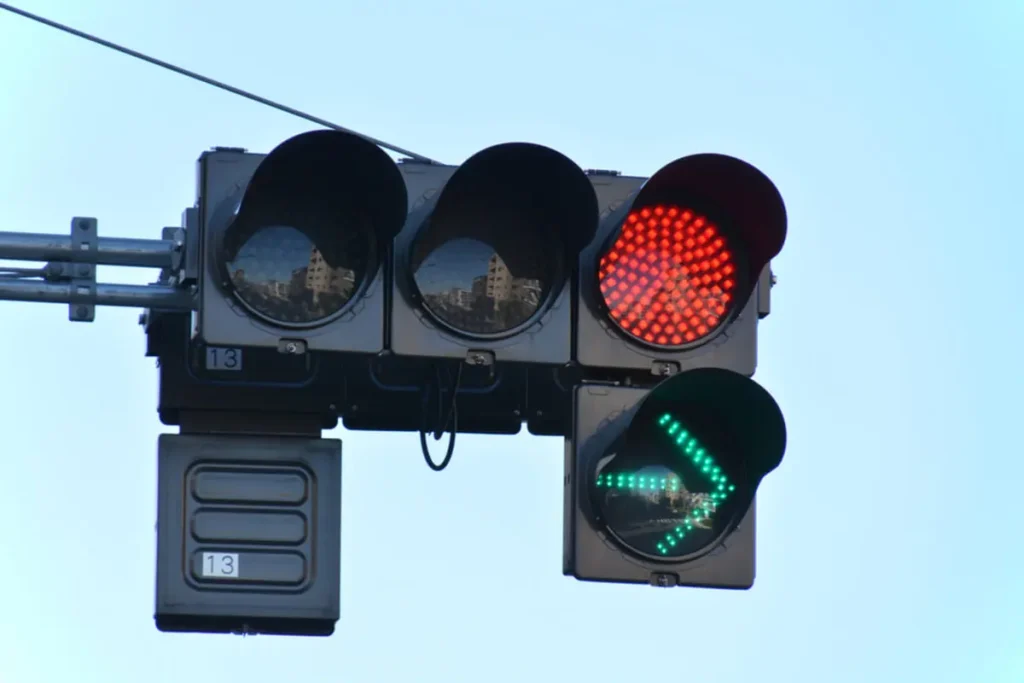
In cities, many signs are in English. However, in rural areas, signs are often only in Japanese. At first, it may feel confusing, but you’ll quickly get used to the patterns.
Right turn rule (important)
- Oncoming traffic has priority
- Even on a green light, you must wait if cars are coming
- Only turn when the green arrow appears
👉 A green light does NOT always mean you can turn freely
4. Railway crossings (level crossings)
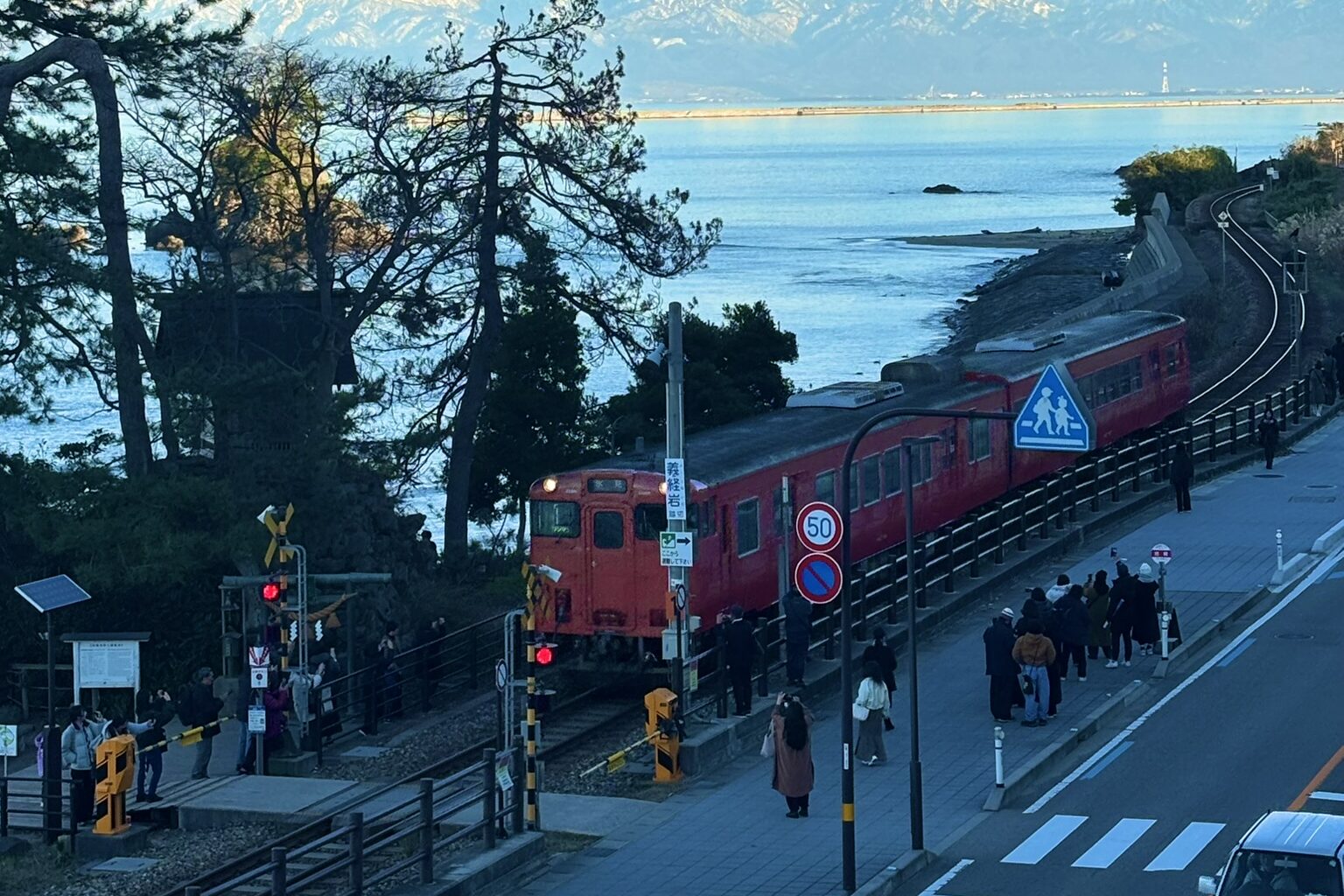
In Japan, you are required to stop and check before crossing railway tracks. Japan has a very high volume of trains, so level crossings close frequently. In many cases, a train will arrive within seconds after the warning alarm starts, so you must never enter the crossing once the alarm begins. If your car gets trapped inside a railway crossing, press the emergency button immediately and evacuate the vehicle.
5. Expressways and ETC (very important)
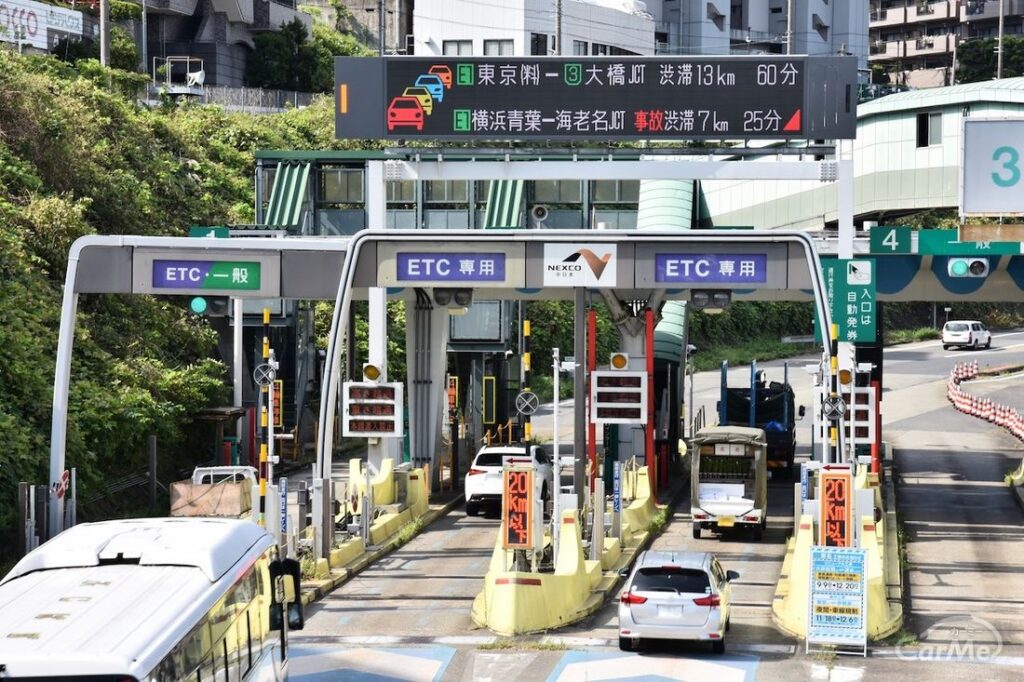
Highways in Japan are toll roads, and ETC is almost essential
What is ETC?
An electronic toll collection system that allows you to pass through toll gates automatically.
Can foreigners get it?
👉 Short-term visitors usually cannot (because it requires a Japanese address, credit card, and screening process)
👉 Renting is the realistic option
Important note
Many toll gates are ETC-only now, so not having it can be inconvenient and sometimes risky.
6. Gas stations
This is one of the most confusing parts for foreigners.
Payment
- Usually not paid inside a shop
- Either automated machines or staff-assisted
Fuel types in Japan
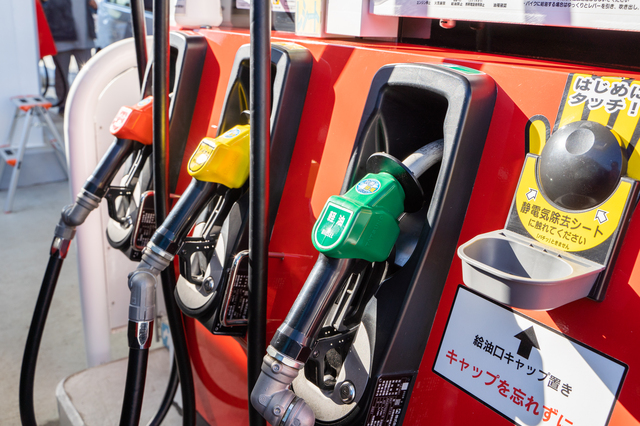
👉 Compared internationally:
- Regular (Red) ≈ Unleaded / Regular (around 90–92 RON)
- High-octane (Premium) (Yellow) ≈ High-grade fuel (around 98 RON)
- Diesel (Green) ≈ Diesel
👉 You will NOT see 91 / 95 / 98-style numbers like in Europe or Australia
Which one should you use?
👉 Rental cars usually use Regular fuel
👉 If it’s a diesel car, use Diesel
(Always follow the instructions from the rental company)
Before returning the car
👉 Refill to the same fuel level as when you picked it up
7. Parking
Parking in Japan is mainly handled through coin parking, which is widely available in cities and charged by time, while street parking is only allowed where signs permit it and is not very common. Credit cards are widely accepted, but cash is still commonly used in many places.
8. Driving in cities
👉 Honestly, not recommended
- Heavy traffic
- Complex road layouts
- Difficult parking
👉 It’s much easier to start your trip in suburban areas
9. Winter driving
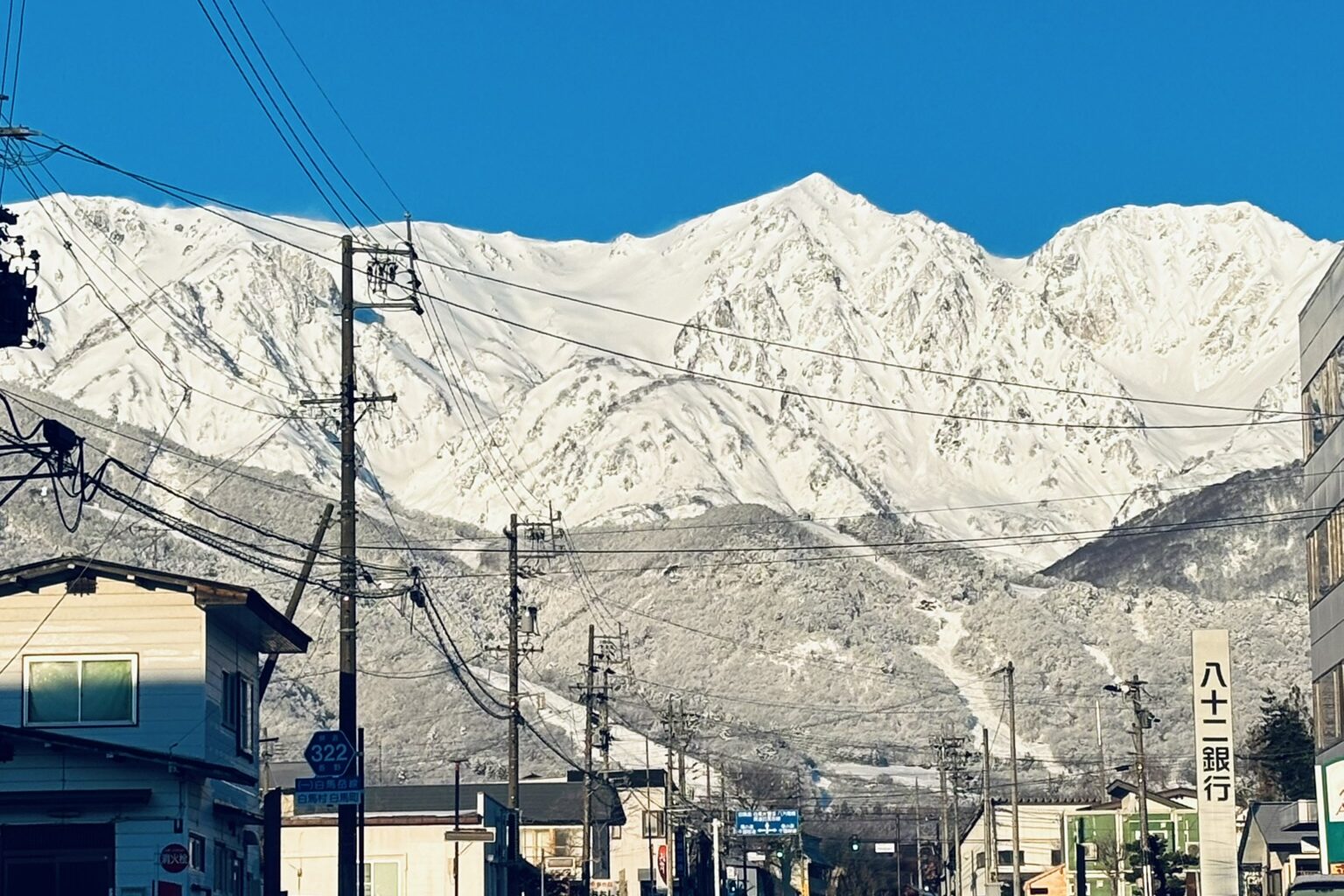
Required regions:
- Japan Sea side
- Tohoku region
- Hokkaido
👉 Studless winter tires are mandatory, and snow chains are required in some mountainous areas.
Do you need a 4WD?
- Normal travel → Not necessary
- Heavy snow regions → Recommended
10. Common mistakes
- Confusing left and right
- Entering highways without ETC
- Driving into narrow streets
- Parking difficulties
Summary
Driving in Japan has a few unique rules at the beginning. But once you get used to it, it becomes a very smooth and enjoyable experience.
Key things to remember:
- ETC system
- Choosing the right car
- Avoiding city driving at first
If you keep these in mind, a road trip in Japan will be much easier and more enjoyable.
🚐 Before You Hit the Road
👉Read these guides :